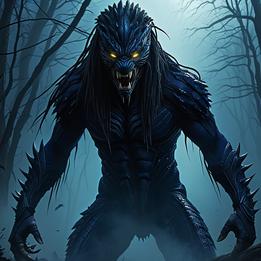
Predator
Represents primal fears, survival instincts, and internal threats. Often symbolizes aggressive impulses or external pressures.
Predator Dream Meaning
Represents primal fears, survival instincts, and internal threats. Often symbolizes aggressive impulses or external pressures.
Interpretive Themes
Cultural Lenses
Jungian Perspective
View Context →Represents the Shadow archetype—unconscious, feared aspects of self. Integration leads to wholeness. Historically seen in mythic monsters; modernly as personal demons.
Freudian Perspective
View Context →Symbolizes repressed aggressive or sexual instincts (Id). May represent paternal authority or forbidden desires. Modern context: internal conflict with societal norms.
Gestalt Perspective
View Context →Projection of disowned aggression or power. The dreamer is both predator and prey. Modern: parts of self in conflict needing integration.
Cognitive Perspective
View Context →Mental schema for threat processing. Represents cognitive biases toward danger. Modern: brain's way of simulating stressors for problem-solving.
Evolutionary Perspective
View Context →Ancient survival mechanism—threat simulation for preparedness. Historically vital for avoiding real predators; modernly manifests as anxiety about abstract dangers.
Global/Universal Perspective
View Context →Cross-cultural symbol of danger and survival. Appears in myths worldwide as monsters or beasts. Modernly represents universal fears of being overpowered.
East Asian Perspective
View Context →In Chinese tradition, may represent unbalanced yin/yang or external misfortune. In modern Japan, often symbolizes societal pressure or workplace 'predators'.
South Asian Perspective
View Context →In Hindu/Buddhist thought, represents mara (temptation) or kleshas (afflictions). Modernly symbolizes attachments or ego threatening spiritual peace.
Middle Eastern Perspective
View Context →In Islamic dream interpretation, may represent enemies or major sins. Historically seen in desert predator symbolism; modernly as moral or social threats.
European Perspective
View Context →In folklore, represents witches' familiars or demonic forces. Medieval werewolf/vampire myths; modernly symbolizes hidden dangers in society or self.
African Perspective
View Context →In many traditions, represents ancestral warnings or spiritual tests. Lion/hyena in rituals; modernly symbolizes neocolonial forces or internalized oppression.
North American Perspective
View Context →In Native traditions, often spirit guides testing courage. In modern US, symbolizes corporate 'sharks', personal demons, or systemic threats.
Want a deeper analysis?
Get a personalized interpretation of your entire dream including this symbol.
Interpret My DreamCommon Appearances & Contexts
| Context | Emotion | Interpretation |
|---|---|---|
| Context Being chased | Emotion Terror | Interpretation Avoiding confrontation. |
| Context Hiding from | Emotion Panic | Interpretation Feeling vulnerable. |
| Context Fighting predator | Emotion Anger | Interpretation Confronting fears. |
| Context Predator observing | Emotion Paranoia | Interpretation Feeling watched. |
| Context Predator attacking | Emotion Horror | Interpretation Sudden threat. |
| Context Taming predator | Emotion Courage | Interpretation Mastering instincts. |
| Context Becoming predator | Emotion Power | Interpretation Embracing aggression. |
| Context Predator hunting | Emotion Dread | Interpretation Inevitable threat. |
| Context Predator wounded | Emotion Pity | Interpretation Vulnerable threat. |
| Context Multiple predators | Emotion Overwhelm | Interpretation Multiple pressures. |
| Context Predator in home | Emotion Violation | Interpretation Safe space invaded. |
| Context Predator transforming | Emotion Confusion | Interpretation Changing threat nature. |
Interpret Your Full Dream
Beyond this symbol, every dream carries a unique story. Share your dream for a personalized AI-powered interpretation.