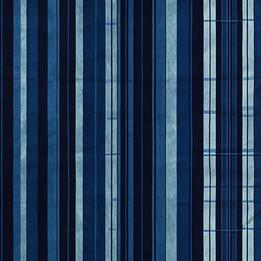
Plaid
A pattern of intersecting vertical and horizontal stripes, often symbolizing heritage, structure, and group identity.
Plaid Dream Meaning
A pattern of intersecting vertical and horizontal stripes, often symbolizing heritage, structure, and group identity.
Interpretive Themes
Identity & Belonging
highOften represents clan or family ties.
Structure & Order
mediumCan indicate need for control.
Tradition vs. Modernity
mediumPlaid bridges historical and contemporary.
Conformity & Rebellion
lowSchool uniforms vs. punk fashion.
Protection & Warmth
lowCan symbolize emotional security.
Cultural Lenses
Jungian Perspective
View Context →Represents the persona - the patterned mask we show the world. The intersecting lines symbolize the conscious and unconscious meeting. Specific colors in plaid may connect to archetypes.
Freudian Perspective
View Context →The grid pattern may symbolize repressed sexual desires or childhood memories, particularly related to authority figures (parents, teachers) who wore plaid. The crossing lines represent conflict.
Gestalt Perspective
View Context →The whole pattern is more than the sum of its stripes. What part of the plaid stands out? Which colors dominate? This reveals what aspects of identity or structure need attention.
Cognitive Perspective
View Context →Plaid represents mental schemas - the patterns we use to organize information. Dreaming of plaid may indicate the brain processing categorization, rules, or social expectations during sleep.
Evolutionary Perspective
View Context →Pattern recognition for group identification - crucial for tribal survival. Plaid may tap into ancient instincts for recognizing kin vs. stranger, safety vs. danger through visual patterns.
European Perspective
View Context →Specifically Scottish tartans represent clan identity with centuries of history. Each pattern denotes specific family lineage, geographic origins, and social status, carrying deep ancestral meaning.
North American Perspective
View Context →Lumberjack and cowboy associations symbolize rugged individualism and frontier spirit. In modern context, also represents preppy fashion, academic settings, and LGBTQ+ community signals.
East Asian Perspective
View Context →In Japan, plaid (gringham) school uniforms represent discipline and conformity. In China, plaid patterns appear in traditional textiles but lack the clan significance of European tartans.
Modern Western Perspective
View Context →Punk fashion subverted plaid's traditional meanings through ripped and safety-pinned garments. Now represents both mainstream fashion and alternative identities across various subcultures.
African Perspective
View Context →While not traditional to most African textiles, imported plaid (often called 'Madras') was adopted and reinterpreted in Caribbean and African diaspora fashion, creating new cultural meanings.
Latin American Perspective
View Context →Plaid ponchos and blankets in Andean regions blend indigenous weaving traditions with imported patterns. Represents cultural synthesis and practical protection against mountain climates.
Global/Universal Perspective
View Context →Grid patterns appear in ancient textiles worldwide. The basic human tendency to create order through intersecting lines transcends cultures, though specific meanings vary by context.
Want a deeper analysis?
Get a personalized interpretation of your entire dream including this symbol.
Interpret My DreamCommon Appearances & Contexts
| Context | Emotion | Interpretation |
|---|---|---|
| Context Wearing plaid shirt | Emotion Confident | Interpretation Embracing practical identity. |
| Context Seeing plaid blanket | Emotion Comforted | Interpretation Seeking emotional warmth. |
| Context Plaid school uniform | Emotion Restricted | Interpretation Feeling constrained by rules. |
| Context Tearing plaid fabric | Emotion Angry | Interpretation Rebelling against tradition. |
| Context Mixing plaid patterns | Emotion Confused | Interpretation Identity conflicts emerging. |
| Context Buying plaid clothing | Emotion Nostalgic | Interpretation Longing for past connections. |
| Context Plaid in nature | Emotion Awed | Interpretation Finding order in chaos. |
| Context Plaid wallpaper | Emotion Trapped | Interpretation Feeling overwhelmed by routine. |
| Context Gifting plaid item | Emotion Loving | Interpretation Sharing heritage or comfort. |
| Context Plaid transforming | Emotion Anxious | Interpretation Identity in flux. |
| Context Plaid in water | Emotion Calm | Interpretation Emotions finding structure. |
| Context Plaid battle flag | Emotion Determined | Interpretation Fighting for group identity. |
Interpret Your Full Dream
Beyond this symbol, every dream carries a unique story. Share your dream for a personalized AI-powered interpretation.