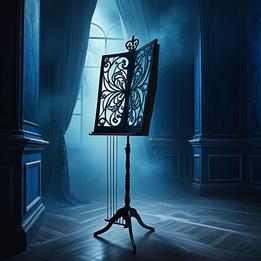
Phantom Music Stand
The Phantom Music Stand represents a longing for artistic expression that feels elusive or unattainable.
Phantom Music Stand Dream Meaning
The Phantom Music Stand represents a longing for artistic expression that feels elusive or unattainable.
Interpretive Themes
Artistic Expression
highReflects the inner struggle artists face in conveying their thoughts aesthetically.
Goal Setting
mediumHighlights the dissatisfaction and frustration accompanying unreachable aspirations.
Transience
highEmphasizes that inspiration is often temporary, leaving one with a sense of loss.
Isolation
mediumRepresents the loneliness that accompanies the creative process.
Performance Anxiety
highUnderscores the fear of judgment that leads to self-doubt in artists.
Mythological Resonance
Caer Ibormeith
CelticThe swan maiden who appears in dreams, symbolizing elusive beauty and artistic inspiration just beyond reach.
Saraswati
HinduGoddess of music and knowledge, whose veena (instrument) represents the harmony that can feel phantom-like in creative droughts.
Cultural Lenses
Modern Western Perspective
View Context →Used in performance traditions to represent the struggle for sound and performance. Represents concerts and community gatherings where artists express themselves and make connections. [American] Highlights both the significance of communal experiences and individual expression.
European Perspective
View Context →Associated with classical music's rich history, symbolizing the divide between amateur and professional musicians. Used in festivals and competitions showcasing talent and artistry. Indicates the tradition of performance as a public yet personal challenge.
European Perspective
View Context →Connected with bardic traditions where storytelling and music were interwoven. Used in celebrations, festivals, and rituals emphasizing oral history and collective memory. [Celtic] Represents both personal expression and a communal sense of belonging.
East Asian Perspective
View Context →In many traditions, the visual and aural arts are used to express abstract ideas. Used in ceremonies and cultural events to capture the essence of spirituality through performance. [Asian Cultures] Emphasizes the balance between chaos and harmony in creative expression.
Historical Authorities
Want a deeper analysis?
Get a personalized interpretation of your entire dream including this symbol.
Interpret My DreamThe Oracle's Prediction
Combine multiple symbolsA breakthrough in accessing hidden creative talents.
Timeframe
Seasonal (~3 Months)
Intensity
Deep
Common Appearances & Contexts
| Context | Emotion | Interpretation |
|---|---|---|
| Context Searching for the music stand in an empty hall | Emotion Confusion | Interpretation Emphasizes feelings of being lost in the creative process without the necessary tools. |
| Context Seeing a ghostly figure at the music stand | Emotion Fear | Interpretation Illustrates anxiety over one's potential being overshadowed by elusive creativity. |
| Context Attempting to play music but the stand disappears | Emotion Frustration | Interpretation Symbolizes the struggle of having ideas that cannot be expressed. |
| Context A full concert where the stand is unoccupied | Emotion Sadness | Interpretation Highlights feelings of being overlooked or unappreciated in creative settings. |
| Context Rearranging sheets on the stand that keep vanishing | Emotion Desperation | Interpretation Portrays the uneven battle against self-doubt while trying to create. |
| Context Seeing others confidently using the stand | Emotion Envy | Interpretation Indicates feelings of inadequacy in comparison to more accomplished peers. |
| Context A music stand that only plays silence | Emotion Disappointment | Interpretation Represents the absence of inspiration or motivation. |
| Context Being praised while using an invisible stand | Emotion Elation | Interpretation Illustrates the dichotomy of feeling validated despite feeling inadequate. |
| Context Setting up the stand in a chaos-filled environment | Emotion Overwhelm | Interpretation Reflects the challenge of creating amid external pressures. |
| Context Fighting to keep the stand upright amidst storms | Emotion Resilience | Interpretation Highlights the perseverance required to maintain creativity against adversity. |
Interpret Your Full Dream
Beyond this symbol, every dream carries a unique story. Share your dream for a personalized AI-powered interpretation.