Patterns & Nature

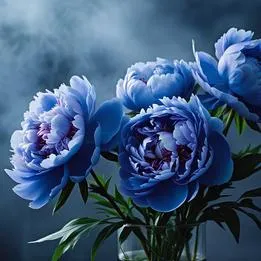
Peonies Dream Meaning

Peonies symbolize prosperity, romance, and lush beauty, often associated with love and good fortune.

Common Appearances & Contexts

Context Emotion Interpretation
Receiving a bouquet of peonies Happiness Represents love, gratitude, and joy in relationships.
Seeing peonies blooming in a garden Fulfillment Indicates satisfaction with current circumstances.
Using peonies in a wedding ceremony Elation Symbolizes commitment and joy in unions.
Watching peonies wilt Sadness May reflect concerns about the loss of happiness or stability.
Planting peony bulbs Hope Signifies anticipation for future growth and happiness.

Interpretive Themes

Cultural Lenses

Jungian Perspective

Full Hub →

Symbolizes the Self's unfolding, representing wholeness and integration. Associated with the anima's beauty and the psyche's natural flourishing. Historically linked to spiritual rebirth and the individuation process's blooming potential.

Freudian Perspective

Full Hub →

Often represents female genitalia or sexual desire due to its lush, layered petals. Historically viewed as a symbol of repressed sensuality or fertility conflicts in psychoanalytic dream analysis.

Gestalt Perspective

Full Hub →

Represents the dreamer's own unfolding aspects or hidden beauty. The flower's parts symbolize different facets of personality needing integration. Historically used to explore self-perception and personal growth in therapy.

Cognitive Perspective

Full Hub →

May represent memory associations with beauty, spring, or specific events. Historically linked to schema activation about growth, transition, or aesthetic appreciation in cognitive dream processing theories.

Evolutionary Perspective

Full Hub →

Symbolizes fertility cues and reproductive potential recognition. Historically significant as a marker of resource abundance and mating opportunity in ancestral environments, triggering positive emotional responses.

East Asian Perspective

Full Hub →

Symbol of wealth, honor, and feminine beauty in Chinese culture. Historically called 'king of flowers,' used in imperial gardens. Ritually associated with prosperity and happy marriages. Modernly represents spring and nobility.

European Perspective

Full Hub →

Medieval symbol of healing and protection against evil spirits. Historically used in folk medicine. Victorian era represented bashfulness. Modernly associated with romance, prosperity, and good fortune in Western flower language.

Middle Eastern Perspective

Full Hub →

Persian culture associates with beauty, wealth, and divine blessing. Historically featured in royal gardens and poetry as symbols of perfection. Modernly represents elegance and spiritual purity in Islamic art traditions.

North American Perspective

Full Hub →

Native American traditions used medicinally for pain relief. Modern symbolism includes prosperity, good fortune, and happy marriage. Historically cultivated by early settlers as ornamental plants representing domestic beauty and abundance.

Latin American Perspective

Full Hub →

In Mexican culture, represents healing and protection. Historically used in traditional medicine. Modernly associated with Virgin Mary's purity in Catholic traditions and domestic happiness in family gardens.

Modern Western Perspective

Full Hub →

Contemporary symbol of romance, prosperity, and good fortune. Commonly used in weddings. Historically evolved from Victorian flower language. Represents healing, beauty, and feminine energy in New Age spirituality.

Global/Universal Perspective

Full Hub →

Cross-cultural symbol of beauty, prosperity, and feminine energy. Historically associated with healing properties across multiple traditions. Universally represents spring, renewal, and the ephemeral nature of beauty in human consciousness.

Discovery Tool

What is Your Dream Archetype?

Beyond this symbol, your soul carries a distinct pattern. Take the 2-minute quiz to discover your archetypal personality.