Peak
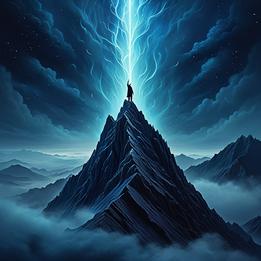
A peak represents the highest point of achievement, spiritual enlightenment, or the culmination of a journey, often symbolizing both triumph and isolation.
Peak Dream Meaning
A peak represents the highest point of achievement, spiritual enlightenment, or the culmination of a journey, often symbolizing both triumph and isolation.
Interpretive Themes
Mythological Resonance
Mount Olympus
GreekThe home of the gods, a peak representing divine authority, perfection, and the isolation of absolute power.
Mount Meru
BuddhistThe axis mundi, the cosmic mountain at the center of all worlds, representing spiritual ascent and enlightenment.
Cultural Lenses
Jungian Perspective
View Context →Represents the Self or individuation—the culmination of integrating conscious and unconscious aspects. Historically, mountains symbolize spiritual ascent; modernly, it reflects personal wholeness and peak psychological development.
Freudian Perspective
View Context →Often symbolizes phallic imagery or sexual climax, representing repressed desires for power or achievement. Historically linked to masculine energy; modernly, it can indicate sublimated drives toward success.
Gestalt Perspective
View Context →Seen as a projection of the dreamer's current life situation—what part of the self is 'at a peak'? Historically, focuses on present awareness; modernly, it emphasizes holistic self-understanding in context.
Cognitive Perspective
View Context →Reflects mental schemas related to goals and problem-solving—peaks as metaphors for overcoming challenges. Historically tied to cognitive processes; modernly, it relates to achievement motivation and stress management.
Evolutionary Perspective
View Context →Symbolizes survival advantages like gaining vantage points for safety or resource access. Historically, peaks offered protection; modernly, it translates to social status and competitive success instincts.
East Asian Perspective
View Context →In traditions like Daoism, peaks represent harmony with nature and spiritual enlightenment (e.g., sacred mountains). Historically, sites for meditation; modernly, they symbolize balance and lifelong learning.
South Asian Perspective
View Context →In Hinduism and Buddhism, peaks like Mount Kailash symbolize divine abodes and enlightenment. Historically, pilgrimage destinations; modernly, they represent moksha (liberation) and inner peace.
Middle Eastern Perspective
View Context →In Islamic and pre-Islamic traditions, peaks are places of revelation (e.g., Mount Sinai). Historically, linked to prophecy; modernly, they symbolize faith, endurance, and divine connection.
European Perspective
View Context →In Greek myth and Romanticism, peaks like Olympus symbolize gods and sublime nature. Historically, associated with heroism; modernly, they represent artistic inspiration and personal transcendence.
African Perspective
View Context →In many traditions, peaks are sacred spaces for ancestors and rituals (e.g., Mount Kilimanjaro). Historically, community gathering sites; modernly, they symbolize cultural identity and resilience.
North American Perspective
View Context →In Indigenous cultures, peaks are spiritual portals; in modern contexts, they symbolize frontier spirit and achievement. Historically, ceremonial sites; modernly, they represent ambition and environmental connection.
Global/Universal Perspective
View Context →Universally, peaks symbolize human aspiration toward the divine or ultimate goals. Historically, cross-cultural motifs of ascent; modernly, they reflect universal drives for success and meaning.
Historical Authorities
Want a deeper analysis?
Get a personalized interpretation of your entire dream including this symbol.
Interpret My DreamThe Oracle's Prediction
Combine multiple symbolsA culmination of a major project or recognition for long-term effort.
Timeframe
Seasonal (~3 Months)
Intensity
Deep
A moment of profound clarity or insight that recontextualizes your path.
Timeframe
Lunation (~29 Days)
Intensity
Deep
Common Appearances & Contexts
| Context | Emotion | Interpretation |
|---|---|---|
| Context Climbing a peak | Emotion Determination | Interpretation Pursuit of a goal. |
| Context Standing on peak | Emotion Triumph | Interpretation Achievement realized. |
| Context Falling from peak | Emotion Fear | Interpretation Fear of failure. |
| Context Seeing distant peak | Emotion Longing | Interpretation Aspiration or unreachable goal. |
| Context Peak in storm | Emotion Anxiety | Interpretation Stress at success. |
| Context Descending from peak | Emotion Relief | Interpretation Completion or retreat. |
| Context Multiple peaks | Emotion Overwhelm | Interpretation Many goals competing. |
| Context Peak with others | Emotion Joy | Interpretation Shared achievement. |
| Context Peak crumbling | Emotion Despair | Interpretation Loss of status. |
| Context Peak at sunrise | Emotion Hope | Interpretation New beginning after success. |
| Context Unable to reach peak | Emotion Frustration | Interpretation Blocked ambitions. |
| Context Peak as home | Emotion Contentment | Interpretation Comfort in achievement. |
Interpret Your Full Dream
Beyond this symbol, every dream carries a unique story. Share your dream for a personalized AI-powered interpretation.