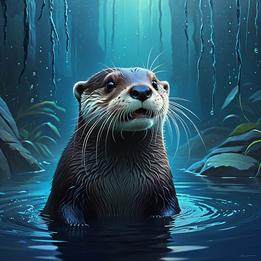
Otter
A playful, social aquatic mammal symbolizing joy, adaptability, and connection to emotions.
Otter Dream Meaning
A playful, social aquatic mammal symbolizing joy, adaptability, and connection to emotions.
Interpretive Themes
Cultural Lenses
Jungian Perspective
View Context →Represents the anima/animus - the feminine principle of playfulness, emotion, and connection to the unconscious. Historically seen in mythology as trickster figures, modernly symbolizes integration of childlike wonder.
Freudian Perspective
View Context →Symbolizes libidinal energy and pleasure principle. The otter's aquatic nature represents the unconscious and fluidity of desires, while playfulness indicates repressed childhood sexuality seeking expression.
Gestalt Perspective
View Context →Represents aspects of self that are playful, adaptive, and socially connected. The dreamer may need to integrate these qualities or examine what the otter is doing in relation to their current life situation.
Cognitive Perspective
View Context →Mental representation of adaptability and problem-solving. The brain processes information about social bonding and environmental navigation, with the otter serving as a metaphor for cognitive flexibility in waking life.
Evolutionary Perspective
View Context →Represents adaptive behaviors for survival - social cooperation, tool use, and environmental mastery. Symbolizes evolutionary advantages of play for learning and social bonding in human development.
North American Perspective
View Context →In Native American traditions, particularly Pacific Northwest tribes, otters symbolize joy, feminine energy, and playfulness. Historically important in creation stories, modernly represents environmental stewardship and balance.
East Asian Perspective
View Context →In Japanese folklore, otters (kawauso) are shape-shifting tricksters. Chinese symbolism associates them with joy and marital happiness. Modernly seen as cute characters in popular media.
European Perspective
View Context →Celtic traditions viewed otters as wise, magical creatures with healing powers. Medieval European folklore sometimes portrayed them as mischievous. Modern conservation movements celebrate their ecological importance.
African Perspective
View Context →In some West African traditions, otters represent adaptability and survival. Their aquatic nature connects to water deities and spirits. Modern interpretations focus on environmental adaptation.
South Asian Perspective
View Context →In Hindu mythology, otters appear in the Panchatantra as clever animals. Their playful nature symbolizes the balance between duty (dharma) and enjoyment (kama) in life's journey.
Latin American Perspective
View Context →In Amazonian cultures, river otters (lobitos de río) are seen as playful water spirits. They symbolize connection to aquatic ecosystems and are featured in folk tales about river life and adaptation.
Global/Universal Perspective
View Context →Across cultures, otters universally symbolize playfulness, adaptability, and social connection. Their near-global distribution makes them recognizable symbols of joy and environmental awareness in modern conservation contexts.
Want a deeper analysis?
Get a personalized interpretation of your entire dream including this symbol.
Interpret My DreamCommon Appearances & Contexts
| Context | Emotion | Interpretation |
|---|---|---|
| Context Playing in water | Emotion Joyful | Interpretation Embrace spontaneity. |
| Context Holding hands | Emotion Connected | Interpretation Value relationships. |
| Context Alone on shore | Emotion Lonely | Interpretation Seek companionship. |
| Context Teaching young | Emotion Nurturing | Interpretation Share knowledge. |
| Context Building home | Emotion Secure | Interpretation Create stability. |
| Context Escaping predator | Emotion Fearful | Interpretation Avoid threats. |
| Context Floating peacefully | Emotion Calm | Interpretation Find tranquility. |
| Context Playing with object | Emotion Curious | Interpretation Explore creativity. |
| Context In polluted water | Emotion Anxious | Interpretation Environmental concern. |
| Context Leading group | Emotion Confident | Interpretation Natural leadership. |
| Context Grooming fur | Emotion Content | Interpretation Self-care needed. |
| Context Caught in net | Emotion Trapped | Interpretation Feeling restricted. |
Interpret Your Full Dream
Beyond this symbol, every dream carries a unique story. Share your dream for a personalized AI-powered interpretation.