Spiritual & Myth

Orphan Dream Meaning

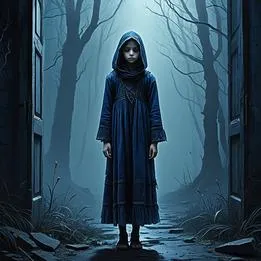
Represents spiritual abandonment, primal vulnerability, and the quest for belonging beyond biological ties. Often signifies a soul's journey toward self-reliance.

Common Appearances & Contexts

Context Emotion Interpretation
Lost in crowd Isolation Feeling unseen, anonymous.
Seeking shelter Fear Basic survival anxiety.
Meeting benefactor Hope Longing for guidance.
Rejected by family Betrayal Abandonment wound activated.
Wandering empty streets Desolation Existential homelessness.
Building new home Determination Self-reliance emerging.
Discovering hidden lineage Awe Mystical belonging revealed.
Caring for others Compassion Healing through nurturing.
Facing storm alone Courage Inner strength tested.
Returning to ruins Nostalgia Grieving lost origins.
Initiation ritual Awe Spiritual adoption occurring.
Receiving mysterious gift Wonder Cosmic support implied.

Interpretive Themes

Cultural Lenses

Jungian Perspective

View Context →

Represents the 'orphan archetype'—a universal pattern of the abandoned child in the collective unconscious. Symbolizes the ego's separation from the Self, initiating the individuation process. Modern context: healing the inner child.

Freudian Perspective

View Context →

Manifestation of Oedipal fears—unconscious wish for parental death or fear of abandonment. Linked to early childhood trauma, castration anxiety, or unresolved dependency conflicts. Modern: regression to infantile state.

Gestalt Perspective

View Context →

Projection of disowned vulnerability or independence. The dreamer may be 'orphaning' parts of themselves or experiencing rejection of needs. Modern: dialogue with the orphan as fragmented self.

Cognitive Perspective

View Context →

Schema of helplessness or core belief about being unsupported. May reflect cognitive distortions like catastrophizing isolation. Modern: maladaptive thought pattern requiring restructuring.

Evolutionary Perspective

View Context →

Activates ancient survival fears—abandonment by tribe threatens survival. Triggers attachment system alarms. Modern: mismatch in individualistic societies exacerbating innate fear of ostracism.

Global/Universal Perspective

View Context →

Cross-cultural mythic figure (Moses, Harry Potter) representing divine chosenness through abandonment. Ritual: orphan heroes in initiation stories. Modern: metaphor for spiritual seekers and immigrants.

East Asian Perspective

View Context →

In Confucian context, violates filial piety, suggesting cosmic disorder. Buddhist view: symbolizes non-attachment and illusion of permanent belonging. Modern: pressure to maintain family harmony.

South Asian Perspective

View Context →

Hindu: may indicate karma from past life, soul's test of detachment. Often linked to ascetic sadhus who renounce family. Modern: spiritual pursuit over worldly ties.

Middle Eastern Perspective

View Context →

In Islamic tradition, caring for orphans is major virtue (Quran). Prophet Muhammad was orphaned—symbolizes divine protection. Modern: community responsibility emphasized.

European Perspective

View Context →

Fairy tale trope (Cinderella, Oliver Twist) where orphan's suffering leads to royal inheritance. Christian: spiritual orphanage before God's adoption. Modern: narrative of meritocratic rise.

African Perspective

View Context →

In many traditions, orphans are community responsibility; dreaming one may warn of neglecting kinship duties. Ancestral connection disrupted. Modern: urbanization weakening extended family.

North American Perspective

View Context →

Frontier mythology of self-made individuals. Native American: sometimes signifies special vision-quest status. Modern: celebration of individualism, but also foster-care system critiques.

AI-Powered

Interpret Your Full Dream

Beyond this symbol, every dream carries a unique story. Share your dream for a personalized AI-powered interpretation.