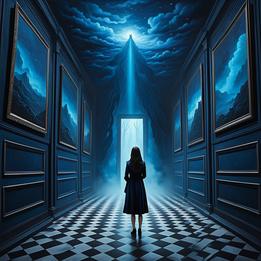
Optical Illusions
Optical illusions represent the complexities of perception and reality, often highlighting the dichotomy between what we see and what truly exists.
Optical Illusions Dream Meaning
Optical illusions represent the complexities of perception and reality, often highlighting the dichotomy between what we see and what truly exists.
Interpretive Themes
Perception vs. Reality
highOften explored in art and psychology, this theme underscores how our views of the world can be misleading.
Control
mediumThis theme relates to the subconscious struggle for power over unpredictable aspects of life.
Cognitive Dissonance
mediumIllusions often evoke this state, forcing individuals to reconcile conflicting perceptions.
Cultural Significance
highOptical illusions highlight the role of creativity in shaping our understanding of reality.
Clarity
highThis theme reflects how different viewpoints can alter what is perceived as true.
Mythological Resonance
Proteus
GreekThe ancient sea god who could change his shape at will, representing the elusive, ever-changing nature of reality and the difficulty of grasping essential truth.
Maya
HinduThe cosmic illusion or magic show that constitutes the perceived world, the veil that must be seen through to realize Brahman (ultimate reality).
Cultural Lenses
Jungian Perspective
View Context →Jungian psychology emphasizes the significance of illusions in understanding the unconscious. Dream analysis in therapy sessions. Illusions can represent aspects of the psyche that are hidden.
Modern Western Perspective
View Context →Modern art movements use optical illusions to challenge norms and perceptions. Art exhibitions and installations. Illusions in art prompt discussions about reality.
East Asian Perspective
View Context →Japanese tea ceremonies use visual elements that create compelling illusions of simplicity. Practice of mindfulness. [Japanese] The experience of beauty often involves illusions.
East Asian Perspective
View Context →Indian philosophy explores notions of maya (illusion) as a fundamental aspect of existence. Spiritual practices and rituals. [South Asian] [Indian] Understanding illusion is key in many Indian spiritual traditions.
Historical Authorities
Want a deeper analysis?
Get a personalized interpretation of your entire dream including this symbol.
Interpret My DreamThe Oracle's Prediction
Combine multiple symbolsA situation or person is not what they initially appear to be.
Timeframe
Immediate (Next 48h)
Intensity
Deep
A breakthrough in understanding a long-held personal belief or perspective.
Timeframe
Lunation (~29 Days)
Intensity
Deep
Common Appearances & Contexts
| Context | Emotion | Interpretation |
|---|---|---|
| Context Observing an optical illusion in a gallery | Emotion Amazement | Interpretation This may symbolize an awakening to new perspectives in life. |
| Context Being trapped within an illusion | Emotion Fear | Interpretation Represents feelings of entrapment or confusion in waking life. |
| Context Creating an optical illusion | Emotion Pride | Interpretation Signifies empowerment and self-expression in one's creative endeavors. |
| Context Struggling to identify reality amidst illusions | Emotion Anxiety | Interpretation Indicates a conflict in differentiating true feelings from misleading thoughts. |
| Context Witnessing others falling for an illusion | Emotion Frustration | Interpretation Highlights concerns over others' perceptions and misunderstandings. |
| Context Receiving a lesson on optical illusions | Emotion Curiosity | Interpretation Represents a desire for understanding and clarity. |
| Context Navigating through a maze of illusions | Emotion Overwhelm | Interpretation Symbolizes dealing with complex emotions or situations. |
| Context Having a conversation about illusions | Emotion Intrigue | Interpretation May suggest the exploration of deeper thoughts and insights. |
| Context Experiencing a shifting illusion | Emotion Disorientation | Interpretation Reflects uncertainties about identity or direction in life. |
| Context Visiting a theme park with illusionary attractions | Emotion Joy | Interpretation Represents a carefree attitude towards life's mysteries. |
Interpret Your Full Dream
Beyond this symbol, every dream carries a unique story. Share your dream for a personalized AI-powered interpretation.