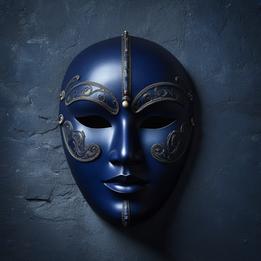
| Context Dreaming of wearing a mask in a crowd. | Emotion Anxiety | Interpretation This may indicate feelings of social pressure or a desire to conform.
|
| Context Finding a mask in an old box. | Emotion Nostalgic | Interpretation This suggests revisiting past identities or roles that were once significant.
|
| Context Removing a mask to reveal a smiling face. | Emotion Relief | Interpretation This signifies the joy of authenticity and embracing one’s true self.
|
| Context Seeing others wear masks but not yourself. | Emotion Confusion | Interpretation This may reflect feelings of isolation or alienation in social situations.
|
| Context Being chased while wearing a mask. | Emotion Fear | Interpretation This may indicate fear of being exposed or facing confrontations about one's true feelings.
|
| Context Participating in a masquerade ball. | Emotion Excitement | Interpretation This reflects a playful exploration of different identities and aspects of oneself.
|
| Context Breaking a mask in anger. | Emotion Frustration | Interpretation This suggests a desire to destroy false identities and reveal hidden truths.
|
| Context Seeing a cracked mask. | Emotion Sadness | Interpretation Indicates feelings of vulnerability and the breakdown of facades.
|
| Context Gifting a mask to someone else. | Emotion Compassion | Interpretation Represents a desire to help others express themselves or alleviate their burdens.
|
| Context Wearing a mask while performing on stage. | Emotion Confidence | Interpretation Emphasizes the empowerment found in embracing roles that allow for creativity and expression.
|
| Context Witnessing a mask fall off someone else's face. | Emotion Surprise | Interpretation Suggests revelations about others and the layers of identity they may hide.
|
| Context Trying on multiple masks in succession. | Emotion Exploratory | Interpretation Indicates an exploration of various facets of identity, questioning which one feels most authentic.
|
| Context Receiving a gifted mask that feels heavy. | Emotion Burdened | Interpretation Symbolizes the pressure associated with expectations tied to societal roles.
|
| Context Finding a mask that perfectly fits. | Emotion Content | Interpretation Represents finding acceptance in one's identity and discovering a personal truth.
|
| Context Using a mask to scare others. | Emotion Powerful | Interpretation May indicate a sense of control or influence over one's surroundings through persona.
|