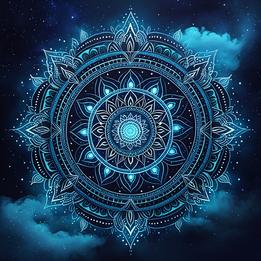
Mandala
A sacred geometric circle representing wholeness, the cosmos, and the journey toward spiritual integration.
Mandala Dream Meaning
A sacred geometric circle representing wholeness, the cosmos, and the journey toward spiritual integration.
Interpretive Themes
Mythological Resonance
Kalachakra Mandala
Hinduism/BuddhismA cosmic diagram representing the wheel of time, used in advanced tantric practices for visualizing the universe and achieving enlightenment.
The Self
Jungian PsychologyCarl Jung saw the mandala as a symbol of the individuated Self, a spontaneous psychic representation of wholeness emerging in dreams and art during times of inner turmoil.
Cultural Lenses
Jungian Perspective
View Context →Archetype of the Self; represents psychic totality and individuation process. Used in active imagination and therapy to map unconscious integration toward wholeness.
Freudian Perspective
View Context →Symbolic representation of sexual unity or womb; may indicate repressed desires for completeness or return to infantile state of undifferentiated self.
Gestalt Perspective
View Context →Figure-ground relationship of self and environment; dreamer's perception of wholeness versus fragmentation in current life situation and relationships.
Cognitive Perspective
View Context →Mental schema for organizing experience; reflects brain's pattern-seeking nature and attempt to create coherence from life's complexity during sleep processing.
Evolutionary Perspective
View Context →Innate preference for symmetrical patterns signaling safety and order; may reflect ancestral need to recognize protective boundaries and harmonious social structures.
South Asian Perspective
View Context →Sacred Hindu and Buddhist meditation tool representing universe; used in rituals and temple architecture for spiritual focus, with historical roots in Vedic yantras.
East Asian Perspective
View Context →In Tibetan Buddhism, intricate sand mandalas symbolize impermanence; in Chinese culture, represents cosmic balance (yin-yang) and harmony in traditional art.
Middle Eastern Perspective
View Context →Geometric patterns in Islamic art representing infinite divine creation; used in architecture and textiles as non-figurative expression of spiritual unity.
European Perspective
View Context →Rose windows in Gothic cathedrals as Christian mandalas; alchemical circles representing transformation; Celtic knots symbolizing eternal cycles and interconnectedness.
North American Perspective
View Context →Native American medicine wheels and sand paintings for healing ceremonies; contemporary use in art therapy and New Age spirituality for personal growth.
Latin American Perspective
View Context →Aztec calendar stone as cosmic mandala; contemporary folk art patterns blending indigenous and Catholic symbolism in textiles and rituals.
Modern Western Perspective
View Context →Therapeutic coloring books for stress relief; corporate logos using circular designs for brand unity; digital art exploring fractal patterns and virtual reality mandalas.
Historical Authorities
Want a deeper analysis?
Get a personalized interpretation of your entire dream including this symbol.
Interpret My DreamThe Oracle's Prediction
Combine multiple symbolsA significant step toward personal integration or resolving an inner conflict.
Timeframe
Seasonal (~3 Months)
Intensity
Deep
Common Appearances & Contexts
| Context | Emotion | Interpretation |
|---|---|---|
| Context Drawing a mandala | Emotion Focused | Interpretation Self-expression and creation. |
| Context Shattering mandala | Emotion Anxious | Interpretation Loss of center or order. |
| Context Floating mandala | Emotion Peaceful | Interpretation Spiritual connection and transcendence. |
| Context Mandala in nature | Emotion Awestruck | Interpretation Harmony with environment. |
| Context Complex mandala patterns | Emotion Overwhelmed | Interpretation Life feels intricate. |
| Context Simple mandala | Emotion Calm | Interpretation Clarity and simplicity. |
| Context Mandala as a portal | Emotion Curious | Interpretation Transition or new phase. |
| Context Mandala in darkness | Emotion Hopeful | Interpretation Light in difficult times. |
| Context Mandala with others | Emotion Connected | Interpretation Community and shared purpose. |
| Context Mandala changing colors | Emotion Fascinated | Interpretation Emotional shifts and growth. |
| Context Ancient mandala ruins | Emotion Reverent | Interpretation Connection to past wisdom. |
| Context Mandala as a shield | Emotion Protected | Interpretation Defense against chaos. |
Interpret Your Full Dream
Beyond this symbol, every dream carries a unique story. Share your dream for a personalized AI-powered interpretation.