Spiritual & Myth

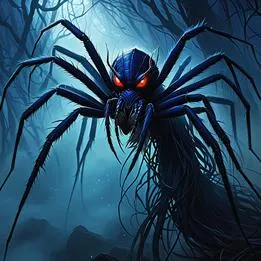
Jorogumo Spider Dream Meaning

A Japanese yōkai spider that transforms into a beautiful woman to seduce and entrap men, symbolizing dangerous allure and deceptive transformation.

Common Appearances & Contexts

Context Emotion Interpretation
Seductive encounter Arousal Hidden danger in attraction.
Being trapped Panic Caught in deception.
Transformation witnessed Shock Revealed true nature.
Web construction Anxiety Building entrapment scheme.
Escape attempt Desperation Breaking free from deception.
Multiple spiders Overwhelm Multiple deceptive situations.
Ancient temple Awe Ancient feminine power.
Modern city Paranoia Deception in modernity.
Water nearby Unease Emotional depths hidden.
Playing music Enchantment Seductive manipulation tactics.
Being watched Vulnerability Target of predation.
Fire present Urgency Need for purification.

Interpretive Themes

Cultural Lenses

Jungian Perspective

View Context →

Anima figure representing the dangerous, seductive aspect of the unconscious feminine. Shadow integration challenge where attraction masks destruction, requiring recognition of deceptive projections in relationships.

Freudian Perspective

View Context →

Phallic symbol representing castration anxiety through entrapment. Sexual desire transformed into fear, with the spider-woman embodying the dangerous mother archetype who consumes through seduction.

Gestalt Perspective

View Context →

Projection of one's own manipulative tendencies or fear of being manipulated. The dreamer may be both spider and victim, exploring power dynamics in relationships through this symbolic dialogue.

Cognitive Perspective

View Context →

Mental schema for deceptive relationships, where brain processes threat detection through exaggerated feminine danger symbols. Represents cognitive bias toward seeing hidden agendas in attractive situations.

Evolutionary Perspective

View Context →

Ancient predator-avoidance mechanism warning against attractive dangers. Represents evolutionary memory of deceptive mating strategies and the survival advantage of detecting hidden threats in potential partners.

East Asian Perspective

View Context →

Traditional Japanese yōkai from Edo period folklore, often appearing near water. Historically warned travelers of dangerous women in inns, now appears in modern media as complex anti-heroine exploring feminine agency.

Modern Western Perspective

View Context →

Feminist reinterpretation as empowered feminine sexuality reclaiming predatory tropes. In pop culture, represents the dangerous woman archetype in film and literature, exploring agency versus victimhood narratives.

European Perspective

View Context →

Similar to sirens and succubi in Western mythology—seductive female monsters who ensnare men. Medieval associations with witchcraft and demonic feminine power, transformed into Gothic horror tropes.

African Perspective

View Context →

Anansi spider trickster stories reinterpreted through gender lens. In some traditions, spider women represent wisdom and creation, while others view them as dangerous shape-shifters warning against superficial attraction.

Global/Universal Perspective

View Context →

Cross-cultural archetype of the dangerous seductress appearing as spider-woman in multiple traditions. Represents universal human anxiety about deception in attraction and the fear of being consumed by relationships.

South Asian Perspective

View Context →

Kali-Maya connections where divine feminine has destructive aspects. In some traditions, spider women represent illusion (maya) that entraps souls, with rituals to see through deceptive appearances to spiritual truth.

Latin American Perspective

View Context →

La Llorona meets indigenous spider goddess traditions. In some regions, represents the dangerous mestiza identity—cultural hybridity that seduces and transforms, with modern interpretations exploring colonial trauma.

AI-Powered

Interpret Your Full Dream

Beyond this symbol, every dream carries a unique story. Share your dream for a personalized AI-powered interpretation.