Arts & Music

Icon Dream Meaning

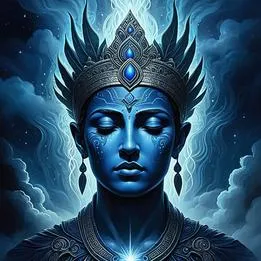
A sacred image or revered figure representing divine presence, artistic genius, or cultural authority, often serving as a focal point for devotion or identity.

Common Appearances & Contexts

Context Emotion Interpretation
Damaged icon Despair Faith or identity crisis.
Creating icon Pride Self-actualization and legacy.
Worshipping icon Devotion Seeking guidance or meaning.
Icon speaking Awe Receiving divine message.
Multiple icons Confusion Conflicting values or loyalties.
Icon transforming Wonder Evolving beliefs or self.
Icon rejecting Shame Feelings of unworthiness.
Stealing icon Guilt Usurping authority illegitimately.
Icon in flames Terror Radical transformation or destruction.
Icon as mirror Insight Self-reflection and recognition.
Forgotten icon Nostalgia Longing for past ideals.
Icon protecting Security Seeking safety in tradition.

Interpretive Themes

Cultural Lenses

Jungian Perspective

View Context →

Represents the Self archetype or numinous symbols from the collective unconscious, mediating between conscious ego and deeper psychic realms, often appearing in dreams during individuation processes.

Freudian Perspective

View Context →

Symbolizes parental figures or superego projections, reflecting unresolved Oedipal conflicts, idealization of authority, or sublimated sexual energy redirected toward cultural achievements.

Gestalt Perspective

View Context →

Represents disowned aspects of the self projected outward, inviting dreamer to reclaim these qualities through dialogue with the icon to achieve psychological wholeness and integration.

Cognitive Perspective

View Context →

Functions as mental schema or cognitive prototype organizing beliefs about excellence, authority, or divinity, reflecting memory consolidation and pattern recognition during sleep processing.

Evolutionary Perspective

View Context →

Emerges from adaptive mechanisms for social learning and status hierarchy navigation, where revered figures provided survival advantages through cultural transmission of knowledge and group cohesion.

East Asian Perspective

View Context →

In Buddhist traditions, represents enlightened beings (Buddhas, Bodhisattvas) as meditation aids; in Confucianism, embodies ancestral wisdom and filial piety; modern pop culture icons reflect social harmony ideals.

European Perspective

View Context →

Rooted in Byzantine and Orthodox Christian traditions of holy images believed to channel divine grace, evolving through Renaissance artistic genius cults to modern celebrity and political figure worship.

Middle Eastern Perspective

View Context →

In Islamic contexts, often avoided due to aniconism concerns but appears as calligraphic or geometric sacred representations; pre-Islamic traditions featured idol worship later transformed into saint veneration.

African Perspective

View Context →

Represents ancestral spirits and orisha in traditional religions, serving as ritual objects mediating between human and divine realms; modern icons include liberation leaders and cultural preservation figures.

Latin American Perspective

View Context →

Blends indigenous sacred objects with Catholic saint veneration through syncretic traditions like Virgen de Guadalupe; modern icons include revolutionary heroes, artists, and football legends as cultural identity markers.

Modern Western Perspective

View Context →

Celebrity culture, brand logos, and social media influencers function as secular icons, representing consumer ideals, personal aspiration, and tribal identity in post-religious societies focused on fame and visibility.

Global/Universal Perspective

View Context →

Cross-cultural human tendency to create focal points for collective meaning, whether religious figures, artistic masters, or cultural heroes, serving psychological needs for transcendence, guidance, and social belonging.

AI-Powered

Interpret Your Full Dream

Beyond this symbol, every dream carries a unique story. Share your dream for a personalized AI-powered interpretation.