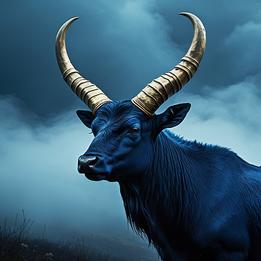
Horn
A horn symbolizes primal power, warning signals, and spiritual connection, often representing strength, alertness, or divine communication in dreams.
Horn Dream Meaning
A horn symbolizes primal power, warning signals, and spiritual connection, often representing strength, alertness, or divine communication in dreams.
Interpretive Themes
Mythological Resonance
Gjallarhorn
NorseHeimdall's horn that will sound to announce Ragnarok, the end of the world, with a blast heard throughout all realms.
Joshua's Horns
BiblicalThe seven priests blowing seven trumpets of rams' horns that brought down the walls of Jericho through sound alone.
Cultural Lenses
Jungian Perspective
View Context →Represents the Self or individuation process, symbolizing wholeness and integration of unconscious masculine energy (animus) or primal instincts in the collective unconscious.
Freudian Perspective
View Context →Often a phallic symbol denoting sexual power, aggression, or masculine dominance, reflecting repressed desires or conflicts related to virility and competition.
Gestalt Perspective
View Context →Seen as a projection of the dreamer's own assertive or defensive qualities, urging integration of these aspects into conscious awareness for personal growth.
Cognitive Perspective
View Context →Interpreted as a mental schema for alertness or threat detection, reflecting waking concerns about danger, communication, or problem-solving in daily life.
Evolutionary Perspective
View Context →Rooted in survival instincts, horns symbolize dominance displays, mate selection, or predator warnings, echoing ancestral adaptations for social hierarchy and safety.
Global/Universal Perspective
View Context →Widely recognized as a symbol of power, protection, and spiritual awakening, used in rituals, myths, and art across cultures to convey strength and divinity.
East Asian Perspective
View Context →In Chinese and Japanese traditions, horns represent yang energy, prosperity, and warding off evil, often depicted on mythical creatures like dragons for luck.
South Asian Perspective
View Context →Linked to Hindu deities like Shiva's trident or bull Nandi, symbolizing divine power, fertility, and destruction of ignorance in spiritual practices.
Middle Eastern Perspective
View Context →Historically significant in Abrahamic faiths as ram's horns (shofar) for religious calls, judgment, and repentance, embodying sacred communication and covenant.
European Perspective
View Context →Associated with Celtic horns for warfare and Norse mythology (like Gjallarhorn), representing battle prowess, ancestral heritage, and apocalyptic signals.
African Perspective
View Context →Used in masks and rituals to honor ancestors, symbolize tribal authority, or invoke animal spirits, reflecting community strength and cultural identity.
Modern Western Perspective
View Context →Often viewed through pop culture as symbols of rock music (guitar horns), sports achievement, or automotive alerts, blending rebellion with functionality.
Historical Authorities
Want a deeper analysis?
Get a personalized interpretation of your entire dream including this symbol.
Interpret My DreamThe Oracle's Prediction
Combine multiple symbolsAn important alert or revelation will come to your attention.
Timeframe
Immediate (Next 48h)
Intensity
Deep
Your voice or message will gain significant authority.
Timeframe
Seasonal (~3 Months)
Intensity
Deep
Common Appearances & Contexts
| Context | Emotion | Interpretation |
|---|---|---|
| Context Blowing a horn | Emotion urgency | Interpretation Call to action. |
| Context Broken horn | Emotion vulnerability | Interpretation Loss of power. |
| Context Growing horns | Emotion pride | Interpretation Emerging strength. |
| Context Animal with horns | Emotion fear | Interpretation Primal threat. |
| Context Horn as weapon | Emotion aggression | Interpretation Conflict readiness. |
| Context Musical horn | Emotion joy | Interpretation Creative expression. |
| Context Horn in ritual | Emotion awe | Interpretation Spiritual connection. |
| Context Horn on head | Emotion shame | Interpretation Social stigma. |
| Context Hunting horn | Emotion anticipation | Interpretation Pursuit of goals. |
| Context Golden horn | Emotion wonder | Interpretation Divine blessing. |
| Context Horn sounding | Emotion alertness | Interpretation Warning signal. |
| Context Removing horns | Emotion relief | Interpretation Shedding burden. |
Interpret Your Full Dream
Beyond this symbol, every dream carries a unique story. Share your dream for a personalized AI-powered interpretation.