Herbal
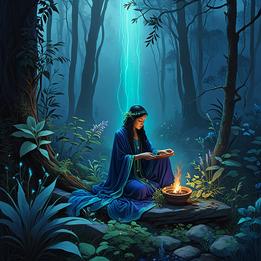
Herbal symbolizes natural healing, ancient wisdom, and the connection between body and earth. It represents remedies, purification, and subtle influences.
Herbal Dream Meaning
Herbal symbolizes natural healing, ancient wisdom, and the connection between body and earth. It represents remedies, purification, and subtle influences.
Interpretive Themes
Healing & Restoration
highDirect connection to medicinal properties.
Ancestral Wisdom
highTraditional practices and folk medicine.
Connection to Nature
mediumSymbolizes harmony with natural world.
Subtle Influence
mediumSlow-acting remedies and patience.
Purification
lowDetoxification and ritual cleansing.
Mythological Resonance
Chiron
GreekThe wise centaur, master of healing herbs and medicine, who taught heroes the art of remedy.
Eir
NorseThe goddess associated with medical skill and the knowledge of healing herbs and remedies.
Cultural Lenses
Jungian Perspective
View Context →Represents the archetype of the healer and connection to the collective unconscious through plant wisdom. Symbolizes the individuation process through natural remedies and the anima mundi (world soul).
Freudian Perspective
View Context →May symbolize maternal care (breastfeeding associations) or sexual potency (phallic herb shapes). Could represent sublimated desires for nurturing or anxieties about bodily functions and health.
Gestalt Perspective
View Context →Represents the dreamer's relationship with natural processes and self-healing capabilities. The herb becomes a projection of the dreamer's ability to nurture themselves or others.
Cognitive Perspective
View Context →Reflects memory associations with healing experiences, cultural conditioning about natural remedies, or problem-solving approaches involving gradual, systematic solutions rather than quick fixes.
Evolutionary Perspective
View Context →Taps into ancestral survival mechanisms related to medicinal plant knowledge. Represents adaptive behaviors for health maintenance and the deep-seated human reliance on botanical resources for wellbeing.
East Asian Perspective
View Context →In Traditional Chinese Medicine, herbs balance qi and yin-yang. Ginseng represents vitality, while bitter herbs purify. Modern context blends ancient pharmacopeia with scientific validation of herbal efficacy.
South Asian Perspective
View Context →Ayurvedic herbs like turmeric and ashwagandha represent dosha balance. Ritual uses include puja offerings and purification. Modern context sees globalized Ayurveda and commercial herbal supplements.
Middle Eastern Perspective
View Context →Historical use in Unani medicine and Islamic healing traditions. Frankincense and myrrh have ritual significance. Modern context preserves traditional remedies alongside pharmaceutical alternatives.
European Perspective
View Context →Medieval herbals and monastic gardens preserved knowledge. Folk traditions involved protective herbs. Modern context includes herbalism revival and integration with conventional medicine.
African Perspective
View Context →Traditional healers (sangomas) use herbs for spiritual and physical healing. Ritual purification and ancestor communication. Modern context faces challenges of knowledge preservation and biodiversity loss.
Latin American Perspective
View Context →Curanderos use herbs in healing rituals blending indigenous and Catholic traditions. Plants like coca and ayahuasca have sacred status. Modern context involves cultural appropriation concerns.
Global/Universal Perspective
View Context →Cross-cultural symbol of natural healing found in every human society. Represents humanity's oldest medical knowledge and ongoing relationship with botanical world for health and spiritual practices.
Historical Authorities
Want a deeper analysis?
Get a personalized interpretation of your entire dream including this symbol.
Interpret My DreamThe Oracle's Prediction
Combine multiple symbolsA gentle, natural resolution to a lingering minor ailment or stress.
Timeframe
Lunation (~29 Days)
Intensity
Deep
The uncovering of ancestral wisdom or a forgotten personal truth.
Timeframe
Seasonal (~3 Months)
Intensity
Deep
Common Appearances & Contexts
| Context | Emotion | Interpretation |
|---|---|---|
| Context Brewing herbal tea | Emotion Content | Interpretation Self-care and comfort. |
| Context Wild herb gathering | Emotion Peaceful | Interpretation Connection to nature. |
| Context Administering herbal remedy | Emotion Concerned | Interpretation Healing responsibility. |
| Context Herbal garden tending | Emotion Satisfied | Interpretation Nurturing growth. |
| Context Ancient herbal text | Emotion Awed | Interpretation Discovering lost knowledge. |
| Context Herbal scent overwhelming | Emotion Overwhelmed | Interpretation Too much influence. |
| Context Herbal ritual ceremony | Emotion Reverent | Interpretation Spiritual practice. |
| Context Herbal medicine failing | Emotion Frustrated | Interpretation Ineffective solutions. |
| Context Herbal marketplace | Emotion Curious | Interpretation Exploring alternatives. |
| Context Herbal poison warning | Emotion Fearful | Interpretation Hidden dangers. |
| Context Herbal steam bath | Emotion Relaxed | Interpretation Purification process. |
| Context Herbal knowledge sharing | Emotion Generous | Interpretation Passing wisdom. |
Interpret Your Full Dream
Beyond this symbol, every dream carries a unique story. Share your dream for a personalized AI-powered interpretation.