Heath
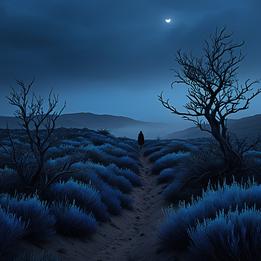
A wild, open landscape of low shrubs and poor soil, symbolizing resilience in harsh conditions, solitude, and untamed natural beauty.
Heath Dream Meaning
A wild, open landscape of low shrubs and poor soil, symbolizing resilience in harsh conditions, solitude, and untamed natural beauty.
Interpretive Themes
Cultural Lenses
Jungian Perspective
View Context →Represents the shadow landscape of the psyche—barren yet fertile with unconscious material. The heath is where the ego confronts its limitations and discovers archetypal resilience.
Freudian Perspective
View Context →Symbolizes libidinal energy in a repressed or sublimated state. The poor soil reflects sexual frustration, while the open space suggests latent desires seeking expression.
Gestalt Perspective
View Context →The heath is the dreamer's current existential ground—what feels barren or resilient in their life. Each element (wind, shrub, path) represents an aspect of self needing integration.
Cognitive Perspective
View Context →Reflects mental schemas of marginality or resilience. The brain processes life's 'poor soil' conditions, activating problem-solving networks related to survival in limited resources.
Evolutionary Perspective
View Context →Triggers ancestral memories of marginal hunting grounds—environments requiring heightened alertness and adaptability. Symbolizes human capacity to persist in resource-scarce conditions.
European Perspective
View Context →In British and Scandinavian folklore, heaths are liminal spaces haunted by spirits and outlaws. Historically associated with witchcraft gatherings and Celtic otherworld portals.
Modern Western Perspective
View Context →Romanticized in Gothic literature (e.g., Wuthering Heights) as emotional landscapes. Now often conservation areas representing 'rewilding' and ecological resilience.
East Asian Perspective
View Context →In Chinese tradition, resembles 'wasteland' (荒) in I Ching—a place of potential cultivation through perseverance. In Japanese aesthetics, represents wabi-sabi beauty in imperfection.
African Perspective
View Context →Similar to savanna margins—spaces of seasonal migration and ritual passage. In some traditions, represents the testing ground before ancestral approval.
Global/Universal Perspective
View Context →Cross-culturally represents marginal lands where civilization fades. Universally symbolizes human confrontation with nature's indifference and our capacity to find meaning in austerity.
Middle Eastern Perspective
View Context →Resembles badiya (بادية)—semi-desert where Bedouin traditions emphasize hospitality and survival wisdom. In Islamic thought, represents reliance on divine provision in scarcity.
Latin American Perspective
View Context →Echoes páramo highlands—mystical ecosystems in Andean cosmology. Associated with Pachamama's more austere aspects and places of spiritual testing.
Want a deeper analysis?
Get a personalized interpretation of your entire dream including this symbol.
Interpret My DreamCommon Appearances & Contexts
| Context | Emotion | Interpretation |
|---|---|---|
| Context Walking alone | Emotion Peaceful | Interpretation Need for solitude. |
| Context Lost on heath | Emotion Anxious | Interpretation Feeling directionless. |
| Context Heath in bloom | Emotion Awe | Interpretation Hidden beauty revealed. |
| Context Storm over heath | Emotion Fear | Interpretation Emotional turbulence ahead. |
| Context Building on heath | Emotion Determined | Interpretation Creating from little. |
| Context Heath catching fire | Emotion Panic | Interpretation Sudden emotional purge. |
| Context Heath at dusk | Emotion Melancholy | Interpretation Endings and reflection. |
| Context Finding path | Emotion Hopeful | Interpretation Discovering new direction. |
| Context Barren heath | Emotion Despair | Interpretation Emotional emptiness felt. |
| Context Heath with ruins | Emotion Nostalgic | Interpretation Past structures decaying. |
| Context Animals on heath | Emotion Curious | Interpretation Instincts emerging. |
| Context Heath transforming | Emotion Amazed | Interpretation Inner change occurring. |
Interpret Your Full Dream
Beyond this symbol, every dream carries a unique story. Share your dream for a personalized AI-powered interpretation.