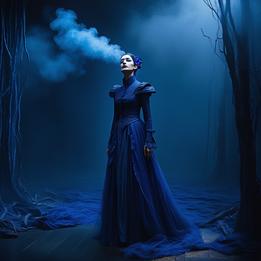
Grand Theater
A grand theater represents creativity, self-expression, and the exploration of different aspects of life through performance and art.
Grand Theater Dream Meaning
A grand theater represents creativity, self-expression, and the exploration of different aspects of life through performance and art.
Interpretive Themes
Self-Expression
highThe stage is a metaphor for personal and artistic expression.
Social Interaction
highIndicates the masks we wear in daily interactions.
Cultural Significance
mediumTheater contributes to cultural heritage and history.
Innovation and Creativity
mediumThe theater is a setting for exploration and innovation in arts.
Freedom
mediumReflects a desire to break free from everyday life.
Mythological Resonance
Dionysus
GreekGod of theater and ecstasy whose festivals birthed Greek drama, representing the transformative power of performance to reveal truth through illusion.
Maya
HinduThe cosmic illusion or divine play (lila) through which Brahman manifests the world as a grand theatrical production.
Cultural Lenses
European Perspective
View Context →Theaters have been integral to European culture since the Renaissance. Theater productions often coincide with cultural festivals. Representations of social issues and history through the lens of art.
East Asian Perspective
View Context →Theater forms like Kabuki and Noh have deep historical roots in Japan. Theater performances often involve traditional rituals. [Japanese] Rich traditions convey moral and philosophical lessons.
African Perspective
View Context →Theater has roots in storytelling and oral traditions. Community celebrations often incorporate performance art. Serves to pass down traditions and historical narratives.
Modern Western Perspective
View Context →Theater has evolved from colonial times to contemporary forms. Theater acts as a space for social commentary and community gathering. [American] Stems from various cultural influences contributing to the theatrical landscape.
Historical Authorities
Want a deeper analysis?
Get a personalized interpretation of your entire dream including this symbol.
Interpret My DreamThe Oracle's Prediction
Combine multiple symbolsYour creative talents will be recognized in a public forum.
Timeframe
Seasonal (~3 Months)
Intensity
Deep
A relationship will deepen through shared creative expression.
Timeframe
Lunation (~29 Days)
Intensity
Deep
Common Appearances & Contexts
| Context | Emotion | Interpretation |
|---|---|---|
| Context Performing on stage in front of an audience. | Emotion Nervous | Interpretation Represents a desire for recognition and fear of vulnerability. |
| Context Watching a breathtaking play unfold. | Emotion Enthralled | Interpretation Indicates appreciation for storytelling and the arts. |
| Context Auditioning for a role but feeling unprepared. | Emotion Anxious | Interpretation Reflects insecurities about one's capabilities. |
| Context Setting the stage for a performance. | Emotion Excited | Interpretation Indicates readiness to express oneself creatively. |
| Context Participating in a collaborative theater performance. | Emotion United | Interpretation Symbolizes teamwork and connection with others. |
| Context Witnessing an extravagant production. | Emotion Inspired | Interpretation Represents a spark of creativity and the urge to showcase talent. |
| Context Having backstage access to observe actors preparing. | Emotion Intrigued | Interpretation Highlights curiosity about the creative process. |
| Context Experiencing technical difficulties during a show. | Emotion Frustrated | Interpretation Indicates fear of things going wrong in personal pursuits. |
| Context Engaging in a dialogue with characters from a play. | Emotion Thoughtful | Interpretation Represents reflection on one’s values and beliefs. |
| Context Dressing up to attend a glamorous theater event. | Emotion Excited | Interpretation Symbolizes the desire to connect with artistry and culture. |
| Context Finding oneself being critiqued after a performance. | Emotion Vulnerable | Interpretation Reflects concerns about acceptance and self-worth. |
| Context Witnessing a heartbreaking scene unfold. | Emotion Moved | Interpretation Indicates emotional depth and empathy in personal experiences. |
| Context Standing in front of an empty stage. | Emotion Lonely | Interpretation Symbolizes the feeling of lack of purpose in self-expression. |
| Context Creating a script for a new play. | Emotion Inspired | Interpretation Represents a strong desire to share unique stories. |
| Context Being part of a theater troupe. | Emotion Belonged | Interpretation Highlights the significance of community in creative expression. |
| Context Witnessing audience reactions during a performance. | Emotion Anxious | Interpretation Represents sensitivity to external judgments. |
Interpret Your Full Dream
Beyond this symbol, every dream carries a unique story. Share your dream for a personalized AI-powered interpretation.