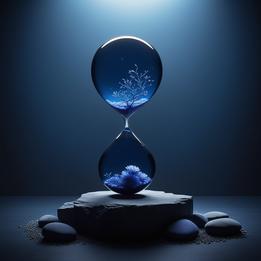
Even
The concept of 'even' relates to balance, stability, and fairness.
Even Dream Meaning
The concept of 'even' relates to balance, stability, and fairness.
Interpretive Themes
Mythological Resonance
The Egyptian goddess Ma'at
The Egyptian goddess Ma'at, personification of truth, balance, justice, and cosmic order, often depicted with the feather of truth.
Cultural Lenses
Jungian Perspective
View Context →Represents the duality of opposites and integration. Important in therapeutic practices and dream analysis. The quest for wholeness is central to this concept.
East Asian Perspective
View Context →An essential principle in karma and dharma. Relates to the law of cause and effect. [South Asian] [Hindu] Balance is essential for spiritual advancement.
Jungian Perspective
View Context →In Jungian psychology, 'even' represents the archetype of balance, suggesting that integration of opposites within the self can lead to personal growth.
Latin American Perspective
View Context →For the Mayans, balance in offerings and rituals was crucial, reflecting the need for equilibrium between the human and spiritual realms.
European Perspective
View Context →In ancient Greek culture, the concept of balance was associated with the 'Golden Mean', which stressed moderation in all things.
North American Perspective
View Context →Many Native American beliefs highlight the importance of balance in nature and one's life, viewing it as essential for harmony within the universe.
South Asian Perspective
View Context →Hinduism often reveres the idea of balance between dharma (duty) and kama (pleasure), emphasizing the pursuit of an even life.
East Asian Perspective
View Context →In Chinese culture, balance is integral to well-being, as seen in traditional practices like Feng Shui and TCM (Traditional Chinese Medicine), which focus on maintaining harmony.
Middle Eastern Perspective
View Context →Sufi teachings emphasize the balance of heart and mind in the pursuit of spiritual love and connection to the divine.
Historical Authorities
Want a deeper analysis?
Get a personalized interpretation of your entire dream including this symbol.
Interpret My DreamThe Oracle's Prediction
Combine multiple symbolsA resolution to a lingering physical or emotional imbalance, leading to improved well-being.
Timeframe
Immediate (Next 48h)
Intensity
Deep
A fair resolution to a workplace conflict or negotiation, restoring harmony.
Timeframe
Lunation (~29 Days)
Intensity
Deep
Common Appearances & Contexts
| Context | Emotion | Interpretation |
|---|---|---|
| Context Finding balance in life | Emotion Content | Interpretation Suggests personal satisfaction with current choices. |
| Context Equitable resolution of conflicts | Emotion Relieved | Interpretation Indicates desire for justice and fairness. |
| Context Walking on an even surface | Emotion Safe | Interpretation Represents security in one's path. |
| Context Settling differences with others | Emotion Calm | Interpretation Shows progress in relationships. |
| Context Feeling balanced | Emotion Serene | Interpretation Suggests inner peace. |
Interpret Your Full Dream
Beyond this symbol, every dream carries a unique story. Share your dream for a personalized AI-powered interpretation.