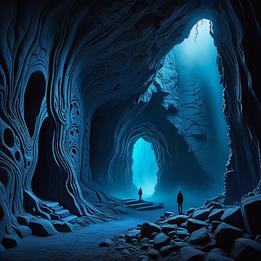
Carving
A deliberate act of shaping or removing material to create form, often symbolizing personal transformation, legacy, or the process of uncovering hidden truths.
Carving Dream Meaning
A deliberate act of shaping or removing material to create form, often symbolizing personal transformation, legacy, or the process of uncovering hidden truths.
Interpretive Themes
Cultural Lenses
Jungian Perspective
View Context →Represents the individuation process - carving away the persona to reveal the authentic Self. The act symbolizes conscious work on personal development and integration of unconscious elements.
Freudian Perspective
View Context →Often represents sublimated sexual energy or aggression. The phallic nature of carving tools and the penetration of surfaces may symbolize repressed desires or childhood conflicts.
Gestalt Perspective
View Context →The dreamer IS the carving tool AND the material being carved. This represents internal conflict between active shaping forces and passive material aspects of the self needing integration.
Cognitive Perspective
View Context →Represents problem-solving processes or memory consolidation. The deliberate removal of material mirrors how the brain prunes neural connections or carves out solutions through focused attention.
Evolutionary Perspective
View Context →Rooted in tool-making survival advantages. Symbolizes adaptive behavior, territory marking, or mate attraction through demonstrated skill and resource transformation capabilities.
East Asian Perspective
View Context →In Chinese tradition, jade carving represents moral refinement. In Japanese culture, wood carving (especially netsuke) symbolizes patience, precision, and the beauty found in imperfection (wabi-sabi).
South Asian Perspective
View Context →In Hindu tradition, temple stone carving represents devotion and the manifestation of divine forms. The act itself is considered yogic discipline, transforming raw material into sacred geometry.
Middle Eastern Perspective
View Context →Islamic geometric carving represents infinite divine patterns. Calligraphic stone carving preserves sacred texts. Both demonstrate submission to divine order through disciplined artistic expression.
European Perspective
View Context →Gothic cathedral stone carving represents spiritual aspiration. Renaissance marble carving symbolizes humanist ideals. Folk wood carving traditions preserve cultural memory and practical craftsmanship.
African Perspective
View Context →Mask and statue carving connects living communities with ancestors and spirits. The process is often ritualistic, with specific tools and ceremonies transforming wood into vessels for spiritual forces.
North American Perspective
View Context →Native totem pole carving records lineage and stories. Contemporary art carving blends traditional techniques with modern themes, often addressing identity, colonization, and environmental concerns.
Latin American Perspective
View Context →Pre-Columbian stone carving recorded cosmic cycles and ruler legitimacy. Modern alebrije wood carving (Mexico) blends indigenous and Spanish traditions, creating fantastical spirit animals from copal wood.
Want a deeper analysis?
Get a personalized interpretation of your entire dream including this symbol.
Interpret My DreamCommon Appearances & Contexts
| Context | Emotion | Interpretation |
|---|---|---|
| Context Carving wood | Emotion peaceful | Interpretation Crafting personal growth. |
| Context Carving stone | Emotion determined | Interpretation Building lasting legacy. |
| Context Carving ice | Emotion anxious | Interpretation Temporary creations melting. |
| Context Carving initials | Emotion nostalgic | Interpretation Marking ownership or memory. |
| Context Carving pumpkin | Emotion playful | Interpretation Seasonal transformation ritual. |
| Context Carving meat | Emotion hungry | Interpretation Dividing resources carefully. |
| Context Carving path | Emotion pioneering | Interpretation Creating new direction. |
| Context Carving statue | Emotion reverent | Interpretation Creating ideal form. |
| Context Carving bone | Emotion morbid | Interpretation Facing mortality directly. |
| Context Carving wax | Emotion experimental | Interpretation Malleable creative process. |
| Context Carving gemstone | Emotion precise | Interpretation Revealing hidden beauty. |
| Context Carving cave walls | Emotion primordial | Interpretation Ancient communication act. |
Interpret Your Full Dream
Beyond this symbol, every dream carries a unique story. Share your dream for a personalized AI-powered interpretation.