Aged
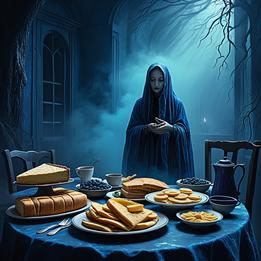
Aged food represents transformation, preservation, and the passage of time through sensory experience, often evoking nostalgia or wisdom.
Aged Dream Meaning
Aged food represents transformation, preservation, and the passage of time through sensory experience, often evoking nostalgia or wisdom.
Interpretive Themes
Mythological Resonance
Demeter's Grain
GreekThe goddess of harvest teaches that grain must age through seasons before becoming nourishing bread, embodying the sacred cycle of death and rebirth.
The Philosopher's Stone
AlchemicalThe ultimate transformation requires the nigredo stage—a long, dark period of putrefaction and aging—before achieving enlightenment.
Cultural Lenses
Jungian Perspective
View Context →Represents the individuation process—aging as transformation toward wholeness. Aged food symbolizes the Self developing complexity through time, integrating unconscious elements into conscious experience.
Freudian Perspective
View Context →May symbolize anal-retentive tendencies or control issues, with aging representing delayed gratification. Could relate to childhood experiences with food preservation or parental restrictions.
Gestalt Perspective
View Context →The aged item represents unfinished business or processes coming to completion. The dreamer may project their own aging process onto the food, exploring personal transformation.
Cognitive Perspective
View Context →Reflects mental schemas about time, value, and transformation. The brain processes aging as a metaphor for personal development or memory consolidation during sleep.
Evolutionary Perspective
View Context →Taps into ancestral survival mechanisms—aging food was crucial for preservation. May trigger deep-seated responses about resource management, seasonal planning, and community sharing.
European Perspective
View Context →Strong tradition of cheese, wine, and charcuterie aging. Represents cultural heritage, terroir, and artisanal craftsmanship passed through generations, with deep historical roots in monastic and rural practices.
East Asian Perspective
View Context →In cultures like Japanese (koji fermentation) or Chinese (aged teas/vinegars), represents harmony with natural processes. Aging is seen as cultivation of qi/energy and balance between yin-yang elements.
Middle Eastern Perspective
View Context →Aged foods like labneh or dried fruits symbolize hospitality and preparation for guests. Historically vital for desert survival, representing wisdom in resource management and generosity.
Latin American Perspective
View Context →Aged meats (cecina) and fermented foods connect to pre-Columbian preservation techniques. Represents mestizaje—blending indigenous and colonial traditions through time.
African Perspective
View Context →Fermented staples like injera or aged palm wine represent community knowledge transmission. Aging symbolizes ancestral wisdom and continuity in oral traditions and culinary practices.
Modern Western Perspective
View Context →Artisanal revival contrasts with industrial food. Aged items represent slow living, authenticity, and conscious consumption—often tied to sustainability and localism movements.
Global/Universal Perspective
View Context →Across cultures, aging food represents humanity's triumph over time and scarcity. Universal symbol of transformation, memory, and the alchemy of patience turning simple ingredients into complex experiences.
Historical Authorities
Want a deeper analysis?
Get a personalized interpretation of your entire dream including this symbol.
Interpret My DreamThe Oracle's Prediction
Combine multiple symbolsA period of quiet maturation will yield unexpected wisdom.
Timeframe
Seasonal (~3 Months)
Intensity
Deep
Long-term efforts will be recognized and rewarded.
Timeframe
Seasonal (~3 Months)
Intensity
Deep
Common Appearances & Contexts
| Context | Emotion | Interpretation |
|---|---|---|
| Context Eating aged cheese | Emotion Satisfaction | Interpretation Appreciation of craftsmanship. |
| Context Tasting old wine | Emotion Reverence | Interpretation Respect for tradition. |
| Context Smelling cured meat | Emotion Anticipation | Interpretation Awaiting complex flavors. |
| Context Finding spoiled food | Emotion Disgust | Interpretation Fear of decay. |
| Context Aging food yourself | Emotion Pride | Interpretation Personal achievement. |
| Context Sharing aged delicacies | Emotion Connection | Interpretation Bonding through tradition. |
| Context Comparing aged items | Emotion Curiosity | Interpretation Exploring differences. |
| Context Losing aged food | Emotion Loss | Interpretation Wasted time investment. |
| Context Gifting aged goods | Emotion Generosity | Interpretation Sharing value. |
| Context Preserving for future | Emotion Hope | Interpretation Planning ahead. |
| Context Tasting first aged | Emotion Wonder | Interpretation Discovery of complexity. |
| Context Food aging too fast | Emotion Anxiety | Interpretation Time pressure. |
Interpret Your Full Dream
Beyond this symbol, every dream carries a unique story. Share your dream for a personalized AI-powered interpretation.