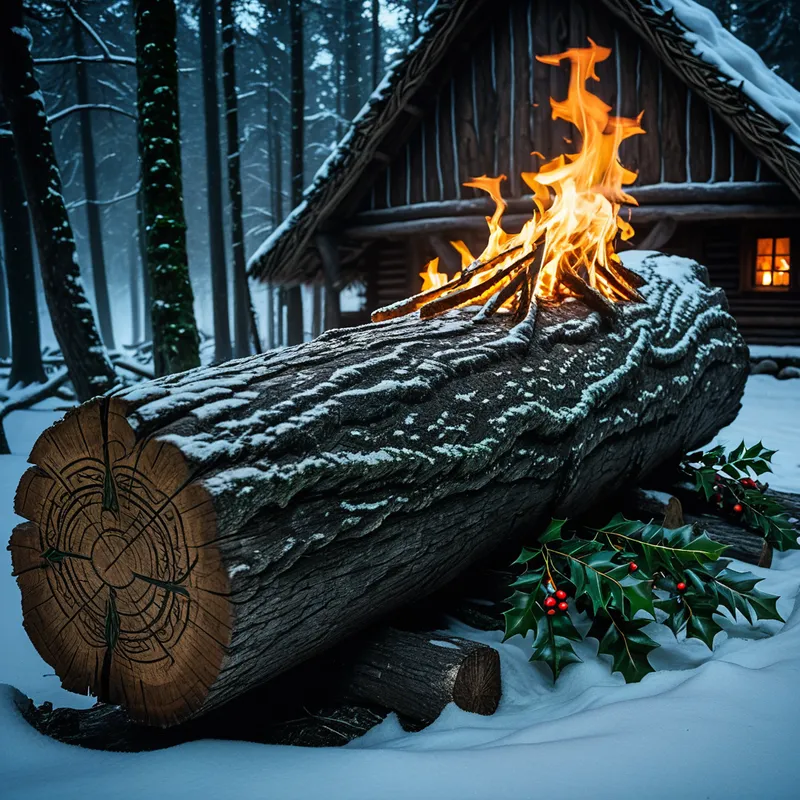
Yule Log Myth Meaning & Symbolism
A sacred oak log, kindled at the solstice, holds the sun's promise, battles winter's shadow, and transforms ashes into a charm for the year to come.
The Tale of the Yule Log
Listen, and feel the deep cold settle in your bones. The sun, a pale and weary ghost, has fled [the sky](/myths/the-sky “Myth from Persian culture.”/). [The world](/myths/the-world “Myth from Tarot culture.”/) is held in the iron grip of the Frost Father, who breathes silence upon the rivers and lays a shroud over the fields. In the village, breath hangs in the air like a promise forgotten. Hope is a memory as faint as summer birdsong.
But in the heart of the forest, where the oldest oaks remember the first dawn, the people go. Not with axes of conquest, but with hands of petition. They seek the one tree—the king of the grove, the one that has drunk deepest of the summer sun and stored its gold within its heartwood. They speak to it, thanking it for its strength, promising its spirit will not die but be transformed. With solemn care, they bring the great log home, a fallen giant draped in ivy and holly, its bark etched with the stories of the year.
[The hearth](/myths/the-hearth “Myth from Norse culture.”/), the soul of the home, has been swept clean of the year’s old ashes. The family gathers, from the eldest, whose eyes reflect countless winters, to the youngest, who feels the dark’s weight for the first time. The head of the house takes the iron poker, itself an heirloom, and touches its tip to the last saved fragment of last year’s log—a sliver of blackened wood that holds a sleeping spark. A whisper, a prayer to the Hearth Mother, and the fragment is laid upon the new log.
A breath is held by all. Then, a tendril of smoke. A crackle, soft as a secret. A single, brave flame leaps from the old to the new. It catches, it grows, feeding on the oak’s stored sunlight. It is not a wild, roaring fire, but a deep, steady, living blaze. It paints dancing shadows of giants and spirits on the walls. Its light is the only sun in the world, and its heat is the heartbeat of the home.
For twelve nights, the log burns, never allowed to go out. Each night, stories are told into its light—tales of ancestors, of foolish goblins, of the summer’s green. Mead is poured upon the hearthstone as a libation. The fire is a companion, a protector, a beacon holding the outer darkness at bay. It is the battle, silent and glorious, against the cold and the silence. The log is the sun, captive and champion, fighting its way back into the world.
When at last the great log is consumed, its work is not done. The final, smoldering core is carefully quenched, not in [water](/myths/water “Myth from Chinese culture.”/), but in cider or ale, with a hiss that sounds like a sigh. This charred remnant is sacred. It is placed beneath the bed to guard against lightning, or in the barn to bless the beasts, or saved in the hearth to kindle next year’s fire. Its ashes are scattered over the sleeping fields, a dark promise of fertility. The light has been swallowed by [the earth](/myths/the-earth “Myth from Hindu culture.”/), a seed of summer planted in the deep winter dark.
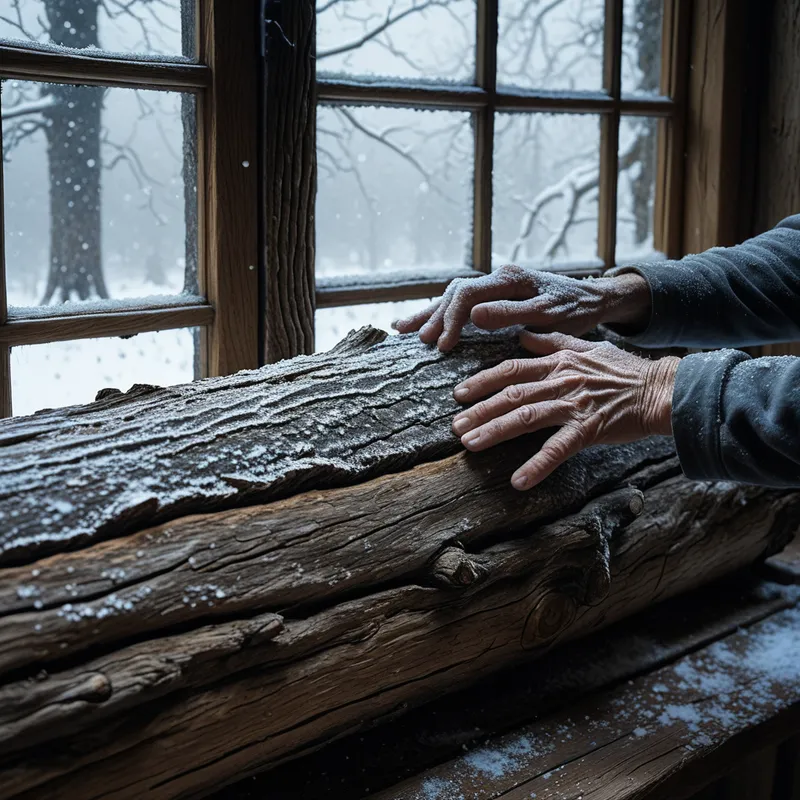
Cultural Origins & Context
The ritual of the Yule Log is not a single myth from a single text, but a living practice woven into the fabric of pre-Christian midwinter celebrations across Northern Europe, particularly within Germanic, Norse, and Celtic traditions. It was less a story told than a story enacted, a piece of sympathetic magic performed by every household. Its tellers were the elders, its stage was the hearth, and its audience was the entire family, bound by the shared need for light and warmth.
Its societal function was profoundly practical and deeply spiritual. On a literal level, the sustained fire was survival during the coldest, darkest period. Symbolically, it was a cosmological act. The people were participating in the salvation of the sun itself, aiding in the turning of [the wheel of the year](/myths/the-wheel-of-the-year “Myth from Celtic culture.”/). By keeping the hearth-fire alive, they were keeping the world-soul alive. The log, often oak for its strength and association with thunder gods like Thor or Taranis, represented the waning sun. Its burning was a sacrifice that released the sun’s captured power, ensuring its rebirth. The careful preservation of a piece to kindle the next year’s fire created a tangible chain of continuity, linking generations and affirming that life, though cyclical and often harsh, was unbroken.
Symbolic Architecture
At its core, the [Yule Log](/symbols/yule-log “Symbol: The Yule Log represents warmth, celebration, and the enduring flame of hope during the winter season, symbolizing light amidst darkness.”/) is an archetypal [symbol](/symbols/symbol “Symbol: A symbol can represent an idea, concept, or belief, serving as a powerful tool for communication and understanding.”/) of the [axis](/symbols/axis “Symbol: A central line or principle around which things revolve, representing stability, orientation, and the fundamental structure of reality or consciousness.”/) mundi—the world pillar—brought into the domestic sphere. The great oak becomes the [household](/symbols/household “Symbol: Represents the self, family dynamics, and personal psychological structure. It’s a container for identity and relationships.”/)’s personal [Yggdrasil](/myths/yggdrasil “Myth from Global/Universal culture.”/), connecting the [underworld](/symbols/underworld “Symbol: A symbolic journey into the unconscious, representing exploration of hidden aspects of self, transformation, or confronting repressed material.”/) (its roots in the [earth](/symbols/earth “Symbol: The symbol of Earth often represents grounding, stability, and the physical realm, embodying a connection to nature and the innate support it provides.”/)), the middle world (its [trunk](/symbols/trunk “Symbol: The trunk in dreams typically denotes the core structure or foundation of one’s identity, values, or beliefs.”/) in the home), and the heavens (its smoke and flame ascending). Its burning is a controlled [dissolution](/symbols/dissolution “Symbol: The process of breaking down, dispersing, or losing form, often representing transformation, release, or the end of a state of being.”/), a necessary destruction for renewal.
The log is the accumulated weight of the passing year—all its joys, labors, and sorrows—given willingly to the transformative fire. It teaches that light is born from the consumption of substance.
Psychologically, the log represents the complex, dense [structure](/symbols/structure “Symbol: Structure in dreams often symbolizes stability, organization, and the framework of one’s life, reflecting how one perceives their environment and personal life.”/) of the personal [psyche](/myths/psyche “Myth from Greek culture.”/) after a cycle of living. It is our stored experiences, our habits, our “old [wood](/symbols/wood “Symbol: Wood symbolizes strength, growth, and the connection to nature and the environment.”/).” The kindling fragment from the previous [year](/symbols/year “Symbol: A unit of time measuring cycles, growth, and passage. Represents life stages, progress, and mortality.”/) is the enduring core of [the Self](/myths/the-self “Myth from Jungian culture.”/), the vital spark of [consciousness](/symbols/consciousness “Symbol: Consciousness represents the state of awareness and perception, encompassing thoughts, feelings, and experiences.”/) that survives each [night](/symbols/night “Symbol: Night often symbolizes the unconscious, mystery, and the unknown, representing the realm of dreams and intuition.”/) of the unconscious ([winter](/symbols/winter “Symbol: Winter symbolizes a time of reflection, introspection, and dormancy, often representing challenges or a period of transformation.”/)). The [ritual](/symbols/ritual “Symbol: Rituals signify structured, meaningful actions carried out regularly, reflecting cultural beliefs and emotional needs.”/) is an act of conscious introspection—sitting with one’s own accumulated “[weight](/symbols/weight “Symbol: Weight symbolizes burdens, responsibilities, and emotional loads one carries in life.”/)” and deliberately submitting it to the purifying, illuminating fire of [awareness](/symbols/awareness “Symbol: Conscious perception of self, surroundings, or internal states. Often signifies awakening, insight, or heightened sensitivity.”/). The [enemy](/symbols/enemy “Symbol: An enemy in dreams often symbolizes an internal conflict, self-doubt, or an aspect of oneself that one struggles to accept.”/) is not just outer darkness, but inner stagnation, the coldness of [despair](/symbols/despair “Symbol: A profound emotional state of hopelessness and loss, often signaling a need for transformation or surrender to deeper truths.”/), and the forgetting of one’s own [inner light](/symbols/inner-light “Symbol: A spiritual symbol representing divine presence, consciousness, enlightenment, or the soul’s essence, often associated with awakening and inner wisdom.”/).
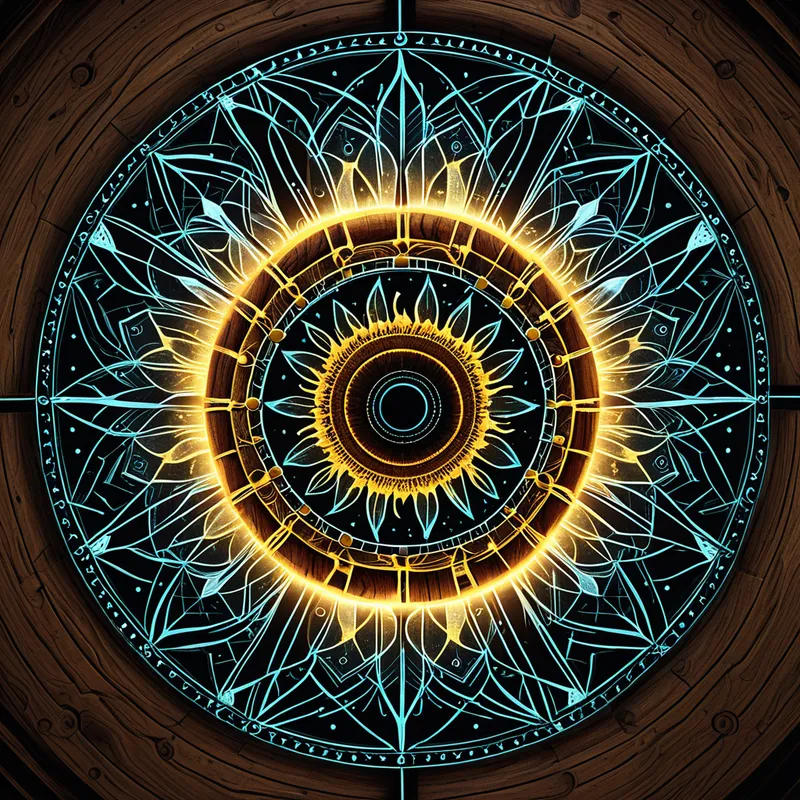
The Dreamer’s Resonance
When this myth stirs in the modern unconscious, it often manifests in dreams of pivotal fires. To dream of kindling a difficult, crucial fire—struggling to get damp wood to catch, or nursing a feeble flame in a vast, cold space—speaks to a somatic process of reigniting one’s vital energy, often during a period of depression, burnout, or creative dormancy. The dreamer is the guardian of their own hearth.
Dreams of a log that will not burn, or a fire that dies may indicate a profound resistance to this necessary alchemy. The psyche is clinging to old structures—identities, grievances, patterns—that have become dead wood, refusing the transformation that would release their stored energy. Conversely, a dream of a beautiful, sustained, and warming hearth fire signals a successful integration, a feeling of being centered, self-contained, and nourished from within, even as external circumstances are bleak. The dream may also present the saving of the charred remnant—finding a blackened, seemingly useless object and knowing it is profoundly important. This symbolizes the dreamer’s intuition preserving a core insight or a piece of resilience from a past “burning” (a difficult trial) for future use.
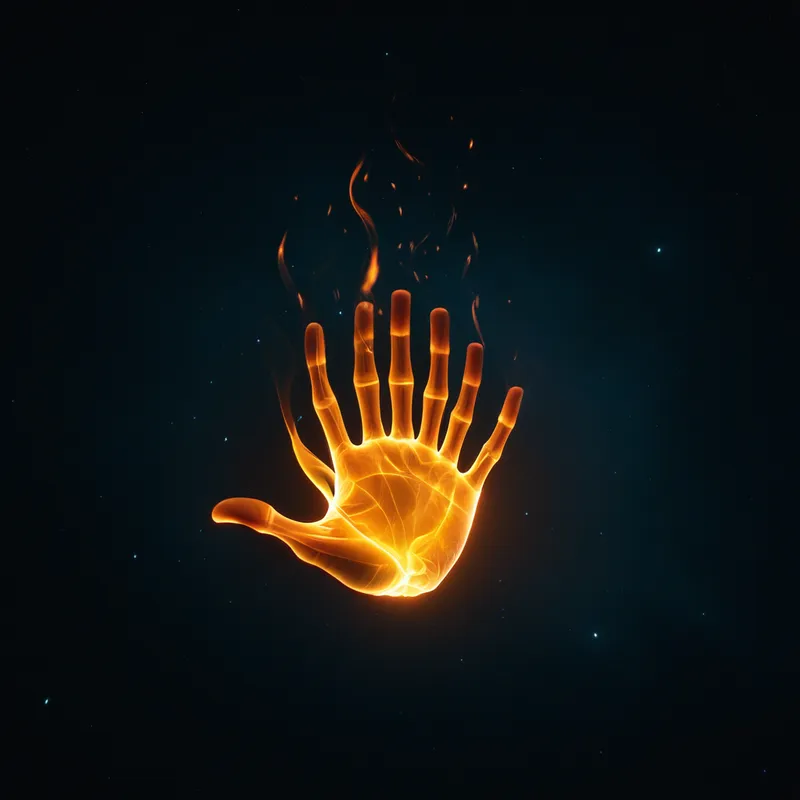
Alchemical Translation
The alchemical process mirrored in the Yule Log ritual is the [nigredo](/myths/nigredo “Myth from Alchemical culture.”/) followed by the albedo—the blackening and the whitening. The dense, dark log (the [prima materia](/myths/prima-materia “Myth from Alchemical culture.”/) of the year’s experiences) is subjected to the fire (calcinatio). It blackens, cracks, and is reduced to its essential components: heat, light, and ash.
The ultimate goal is not the glorious flame, but the sacred ash. The light is released to the heavens; the transformed substance is returned to the earth. The individual’s work is to be both the fuel and the flame, and finally, the fertile ground.
For the modern individual seeking individuation, this is a model for annual or cyclical self-reckoning. One must gather the “log” of their past cycle—review actions, relationships, and inner states. Then, one must consciously kindle the fire of honest self-reflection (often uncomfortable, the “heat” of scrutiny). The “burning” is the willingness to let go, to see transient identities and attachments consumed. The prized outcome is not a dramatic, permanent enlightenment, but the “ash”—the distilled wisdom, the humility, the grounded and fertile insight that remains after the passions and dramas have burned away. This ash is then used to “fertilize” the next cycle of life, ensuring growth is rooted in experience. The ritual teaches that we must periodically become our own hearth, our own sacrificer, and our own sage, tending [the eternal flame](/myths/the-eternal-flame “Myth from Universal culture.”/) of consciousness through the long nights of the soul.
Associated Symbols
Explore related symbols from the CaleaDream lexicon: