
Will-o'-the-Wisp Myth Meaning & Symbolism
A flickering light in the peat-dark bog, a guide or a trickster, leading the weary traveler toward revelation or ruin in the Celtic twilight.
The Tale of Will-o’-the-Wisp
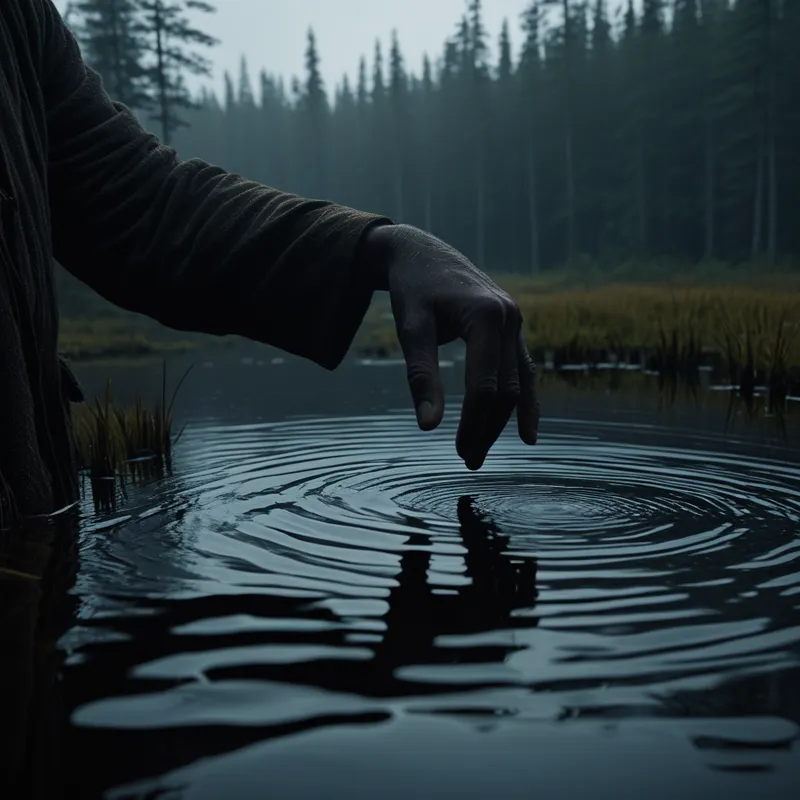
Listen, and let the peat-smoke carry you. The day has fled, and the liminal gloaming has settled upon the land. In the great, sighing bog where the [water](/myths/water “Myth from Chinese culture.”/) is black as a [raven](/myths/raven “Myth from Haida culture.”/)’s eye and the ground breathes with a treacherous hunger, a light appears.
It is not the steady glow of a cottage window, nor the cold pinprick of a star. This light dances. It flickers with a pale, blue-green life of its own, bobbing just above the sedge grass, weaving between the skeletal arms of drowned trees. To the lost soul—the shepherd separated from his flock, the warrior whose path has vanished in [the mist](/myths/the-mist “Myth from Celtic culture.”/), the heart heavy with a grief that clouds the mind—this light is a promise. It says, This way. Follow. Here is the path home.
And so the weary one turns from the solid, known track and steps into the sucking mire. The light retreats, ever so gently, beckoning. Hope, that most dangerous of fuels, ignites in the chest. The traveler plunges onward, the cold water seeping over boots, the ground giving way like a false promise. The light dances on, beautiful, serene, always just beyond reach. It leads them deeper, where the mist thickens into a woolen shroud and the cries of strange birds echo. It leads them around in great, despairing circles until their strength is spent and the dark water claims them. Or, it leads them to the very edge of [the world](/myths/the-world “Myth from Tarot culture.”/), to a place where [the veil](/myths/the-veil “Myth from Various culture.”/) is thin, and shows them… something else entirely. A glimpse of the [Sídhe](/myths/sdhe “Myth from Celtic / Irish culture.”/), a face in the water, a memory not their own. Then, with a soft pop, it vanishes, leaving them alone in the profound dark, either on the brink of doom or [the threshold](/myths/the-threshold “Myth from Folklore culture.”/) of an unasked-for revelation.
Some say the light is the lantern of a púca, leading fools to their folly for its own mirth. Others whisper it is the spirit of one who was themselves lost, condemned to forever seek company in the damp hollows. But all who know the bog know this: to follow [the Will-o’-the-Wisp](/myths/the-will-o-the-wisp “Myth from Various culture.”/) is to surrender your fate to the caprice of the twilight itself.
Cultural Origins & Context
The Will-o’-the-Wisp, known in various Celtic regions as Ignis Fatuus (foolish fire), Teine Sìth (fairy fire), or Jack-o’-Lantern, is not a myth with a single epic narrative. It is a folk belief, born from the intimate, perilous relationship between people and the land. The vast, trackless bogs and marshes of Ireland, Scotland, and Wales were practical dangers—places where one could vanish without a trace—and spiritual ones, considered gateways to the Annwn or the realm of the Aos Sí.
This story was not told in royal halls by bards, but in smoky hearths by grandparents. Its function was profoundly pragmatic and psychological. It was a warning to children and travelers: stay on the known path, especially at twilight or night, when the boundaries between worlds soften. It personified the very real danger of the wetlands into a conscious, trickster entity, making the hazard memorable and resonant. Furthermore, it explained a natural phenomenon—the spontaneous combustion of marsh gases (methane and phosphine)—weaving it into the mythopoeic fabric of a culture that saw spirit in every hill and stream. The light was never just gas; it was intentioned, either malevolently or mysteriously.
Symbolic Architecture
At its core, the [Will-o’-the-Wisp](/symbols/will-o-the-wisp “Symbol: The Will-o’-the-Wisp signifies guidance through uncertainty, often associated with fleeting moments of inspiration or creativity.”/) is the archetypal [symbol](/symbols/symbol “Symbol: A symbol can represent an idea, concept, or belief, serving as a powerful tool for communication and understanding.”/) of the ignis fatuus—the foolish fire—of the [human](/symbols/human “Symbol: The symbol of a human represents individuality, complexity of emotions, and social relationships.”/) [psyche](/myths/psyche “Myth from Greek culture.”/). It represents the alluring, elusive, and often deceptive [nature](/symbols/nature “Symbol: Nature symbolizes growth, connectivity, and the primal forces of existence.”/) of certain [kinds](/symbols/kinds “Symbol: The symbol ‘Kinds’ refers to the classification or categorization of things, emphasizing distinctions and the nature of variety within life.”/) of hope, desire, or [insight](/symbols/insight “Symbol: A sudden, deep understanding of a complex situation or truth, often arriving unexpectedly and illuminating hidden connections.”/).
The light you follow is not always the light that saves; sometimes, it is the one that reveals the depth of the bog you must cross within yourself.
Psychologically, it embodies the [Trickster](/symbols/trickster “Symbol: A boundary-crossing archetype representing chaos, transformation, and the subversion of norms through cunning and humor.”/) in its most ambient form. It does not confront; it seduces. The light represents a projected goal: the perfect love, the ultimate success, the final answer to one’s pain. It promises [resolution](/symbols/resolution “Symbol: In arts and music, resolution refers to the movement from dissonance to consonance, creating a sense of completion, release, or finality in a composition.”/) and [direction](/symbols/direction “Symbol: Direction in dreams often relates to life choices, guidance, and the path one is following, emphasizing the importance of navigation in personal journeys.”/), but its method is to lead us into the chaotic, muddy, and unconscious parts of ourselves (the bog) that we would otherwise avoid. The [traveler](/symbols/traveler “Symbol: A person on a journey, representing movement, transition, and the search for new experiences or self-discovery.”/) is our conscious ego, weary and disoriented, desperate for an external guide. The tragedy—or [initiation](/symbols/initiation “Symbol: A symbolic beginning or transition into a new phase, status, or awareness, often involving tests, rituals, or profound personal change.”/)—occurs when we realize the guide is part of the [terrain](/symbols/terrain “Symbol: Terrain in dreams often represents the landscape of one’s life, including challenges, opportunities, and feelings about one’s current circumstances.”/) of our own unresolved [shadow](/symbols/shadow “Symbol: The ‘shadow’ embodies the unconscious, repressed aspects of the self and often represents fears or hidden emotions.”/).
The Dreamer’s Resonance
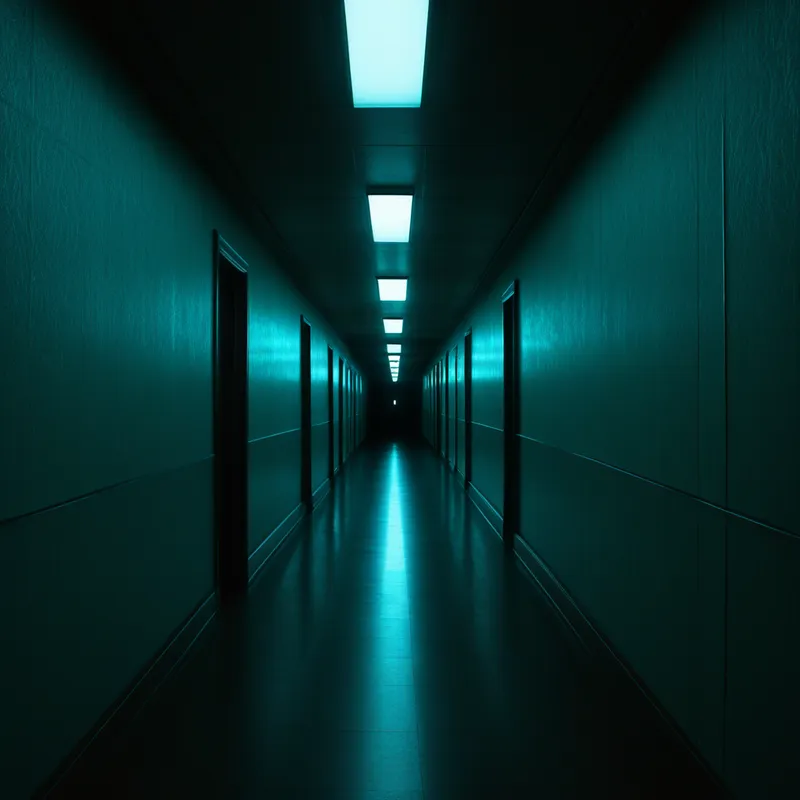
When the Will-o’-the-Wisp appears in a modern dream, it rarely manifests as a literal fairy light. It is the tantalizing opportunity that always slips away, the lover whose face you can never quite see, the door at the end of the hall that never opens. The somatic feeling is one of urgent pursuit coupled with deepening frustration or exhaustion.
Dreaming of this pattern signals a psychological process where the dreamer is being led by a compelling but ultimately deceptive fantasy. They are in the bog—a state of emotional or psychic confusion, a “stuck” period in life. The flickering light is the psyche’s own production, a symptom of the desire to escape the difficult, grounding work of navigating the murk by offering a seemingly clear, quick path. The dream is a warning from the unconscious: the path of least resistance, guided by illusion, leads in circles or to dissolution. The dreamer is being asked to stop chasing the elusive light and instead, feel the ground (or lack thereof) beneath their feet.
Alchemical Translation
The alchemical journey is not one of linear progress toward a guaranteed goal, but a circumambulatio—a wandering, often circular navigation of the soul’s substance. The Will-o’-the-Wisp myth models a critical, if painful, phase in this individuation process.
To be led astray by an inner light is the necessary folly that precedes the discovery of one’s own, unmovable darkness—the prima materia for transformation.
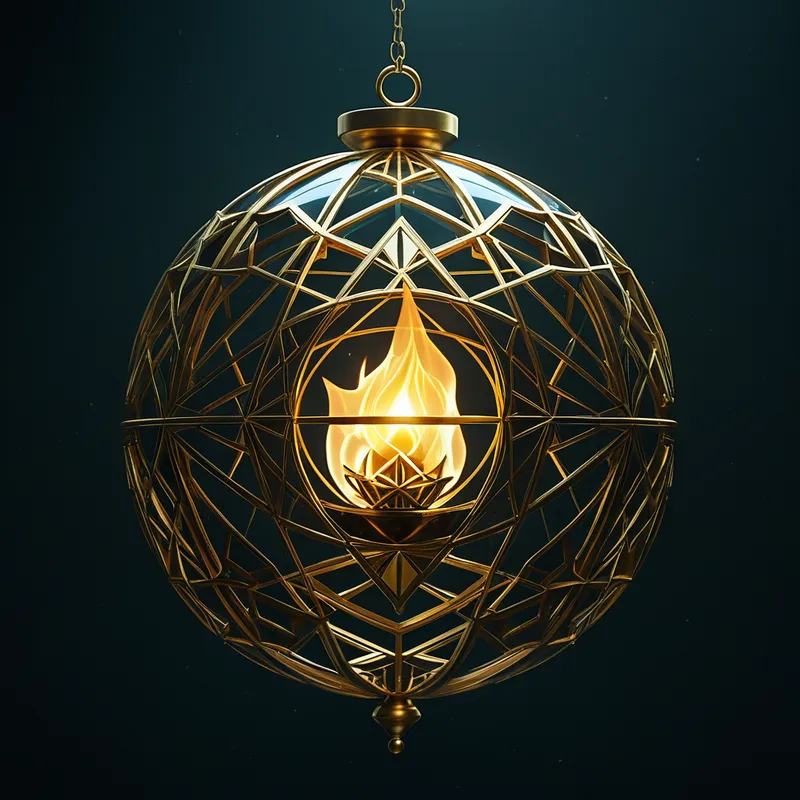
The first step is [nigredo](/myths/nigredo “Myth from Alchemical culture.”/), the blackening. The bog is the [prima materia](/myths/prima-materia “Myth from Alchemical culture.”/), the messy, unconscious contents of [the self](/myths/the-self “Myth from Jungian culture.”/). The enticing light is the spirit of illusion (ignis fatuus) that must be followed and ultimately seen through. The traveler’s despair—the moment the light vanishes and they are left in utter blackness—is the crucial moment of mortificatio, the death of the old way of seeking. [The ego](/myths/the-ego “Myth from Jungian culture.”/)’s hope in external salvation dies.
From this dissolution, a true light can emerge. Not a dancing, deceptive one, but the steady, inner lantern of awareness. The revelation at the bog’s edge, for those who survive it, is the albedo, the whitening: a glimpse of the Self beyond the ego’s petty wants. The traveler who returns is no longer chasing lanterns. They have learned to navigate the bog by feeling its subtle firmaments, having made the treacherous terrain a known, if respected, part of their own soul’s landscape. [The trickster](/myths/the-trickster “Myth from Various culture.”/) light, by deceiving, initiated the only journey that matters: the one inward, into and through the consuming dark.
Associated Symbols
Explore related symbols from the CaleaDream lexicon: