Vikings Myth Meaning & Symbolism
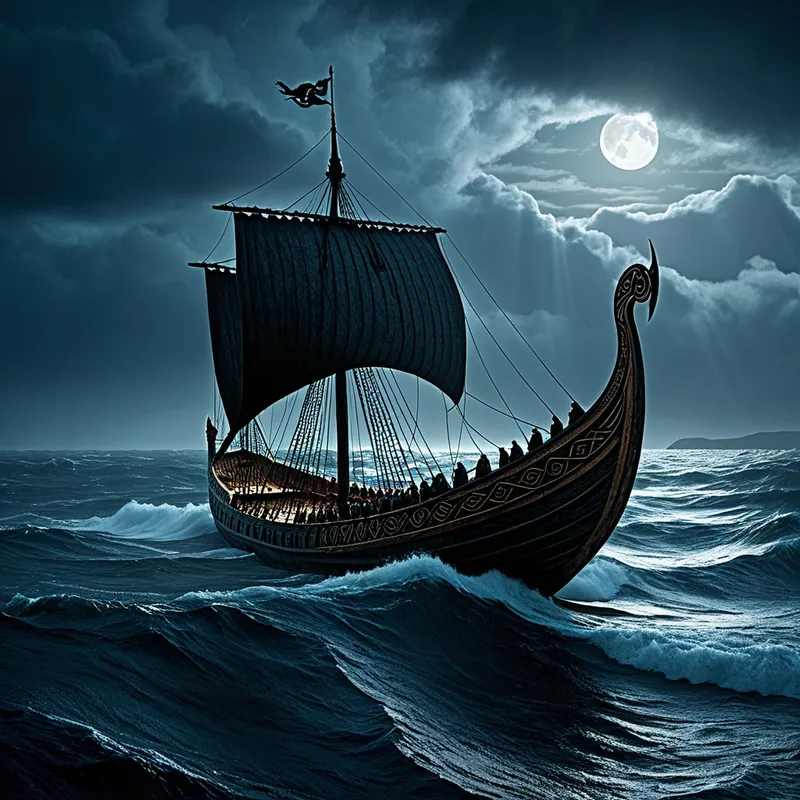
The Viking is the psyche's emissary to the outer dark, sailing the sea of the unconscious to confront chaos, win renown, and meet an inevitable, glorious end.
The Tale of Vikings
Listen. The wind does not whisper here; it screams from the throat of the world, carrying the salt-taste of endless grey. This is the edge of the map, where the solid land of Midgard gives way to the whispering, hungry dark of Útgarðr. Here, at the lip of the known, they build their ships.
They are not born, they are forged—in the smoke of the forge, in the silence of the deep fjord, in the old stories spat between teeth clenched against the cold. Their god is Odin, who traded an eye for a drink from the well of all knowledge and hangs for nine nights on the Yggdrasil to learn the secrets of the runes. Their path is set not by comfort, but by ørlög—the primal layer of fate woven into the fabric of the world at its dawn.
The ship is not a vessel; it is a dragon. They carve serpent-heads upon the prow, eyes wide to see the unseen paths across the whale-road. They lay their shields along the rails, a wall of painted wood against the abyss. With a groan of oak and a shout that tears the mist, they push off. The solid world recedes. Now there is only the creak of timber, the slap of wave against hull, and the vast, empty circle of sea and sky. They sail by sun and star, by the flight of the raven, by the feel of the current in their bones. They are betwixt and between, neither here nor there, souls in a wooden shell on the skin of chaos.
They seek the glint of gold, yes, the song of the blade meeting shield. They seek the word—the reputation that will outlive the breath in their lungs, that will be sung in the fire-lit hall long after their body feeds the ravens. A battle is not a melee; it is a sacred storm. The berserkir, clad in wolf-skin, become the beast, their humanity shed like a cloak, their axes singing the only prayer they know. It is terrible. It is glorious. It is a bargain written in blood: a short, bright life for an eternal name.
But the sea always claims its due. The storm rises, a wall of black water and shrieking wind. The wyrd of a man is tested in the groaning of the mast. Some are swallowed, their names lost to the grey waves. Others make landfall on strange shores, to trade, to raid, to plant a seed of their world in foreign soil. And when the end comes, as it must, they do not go meekly to a quiet bed. They go with a sword in hand, hoping for a Valkyrie’s glance, for a place in Valhalla, or for a saga that begins, “There was a man…”
Cultural Origins & Context
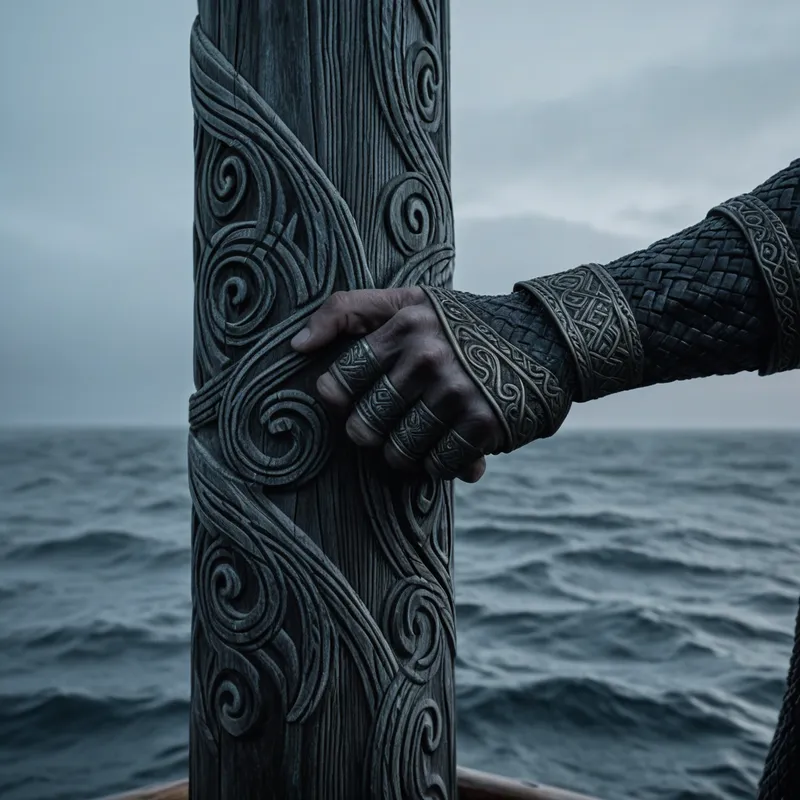
The Viking is not a single myth but a living archetype that pulsed at the heart of the late Iron Age Scandinavian world. This was not a unified “Norse culture” but a tapestry of chiefdoms, families, and regional loyalties, bound by a shared linguistic and cosmological framework. The stories of their exploits—the raids, explorations, and settlements from the 8th to the 11th centuries—were the raw material from which the myth was woven.
These tales were not written by the Vikings themselves in the moment, but were crafted in the hearth-light of later generations, most notably in the Sagas and the poetry of the Eddas. Skalds, the poet-historians, were the custodians of this myth. Their function was societal: to memorialize the deeds of ancestors, to define the heroic ideal (courage, loyalty, cunning, and the relentless pursuit of fame), and to bind the community to its past and its values. The Viking myth served as a compass for a society living in a harsh, unforgiving landscape, where fortune was fleeting and legacy was the only true immortality.
Symbolic Architecture
Psychologically, the Viking represents the psyche’s imperative to venture beyond the ego’s fortified shores. The longship is the vehicle of consciousness, fragile yet daring, setting out onto the vast, unconscious sea of Útgarðr. This is not a pleasure cruise; it is a necessary confrontation with the unknown, the chaotic, and the potentially destructive elements of the self and the world.
The raid is not merely for plunder, but for the retrieval of psychic wealth—new perspectives, energies, and potentials—from the “foreign shores” of the unconscious or the external world.
The relentless pursuit of a “name” symbolizes the ego’s struggle for significance and consciousness in the face of an ultimately meaningless universe. The acceptance of a glorious death, predetermined by wyrd, speaks to the profound Norse understanding of life as a meaningful story with an inevitable conclusion. The heroism lies not in avoiding fate, but in meeting it with integrity and style, thereby shaping how the story is told. The berserkir state embodies the terrifying but sometimes necessary dissolution of the rational ego, allowing a more primal, instinctual power to emerge for a time.
The Dreamer’s Resonance
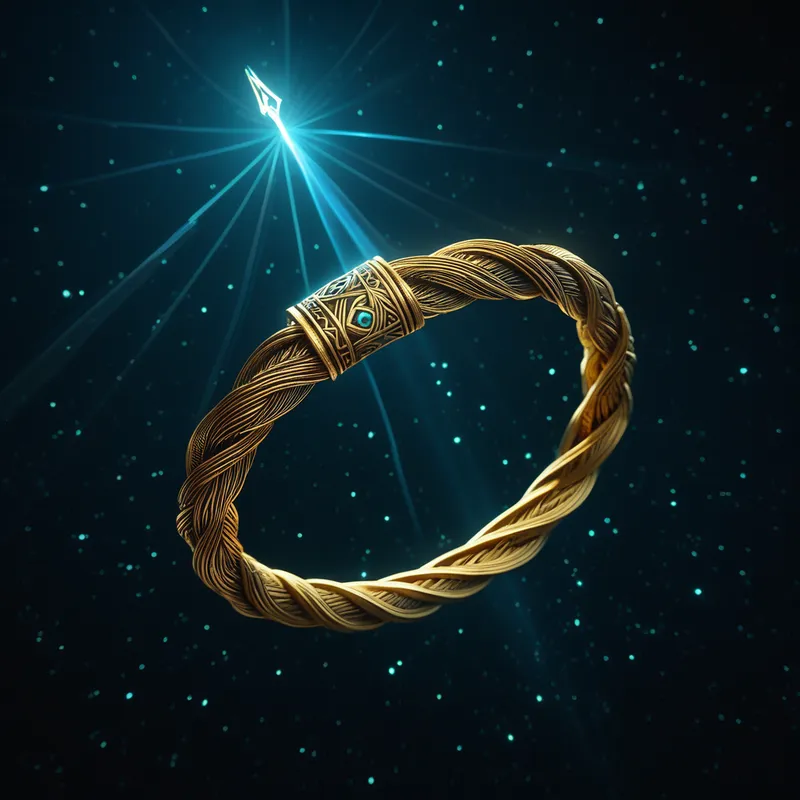
When the Viking archetype stirs in modern dreams, it often manifests as a profound restlessness, a feeling of being “stuck in the fjord.” You may dream of preparing for a journey with urgent, unknown purpose, or of standing at the helm of a ship facing a colossal wave. The somatic feeling is one of tension, anticipation, and often cold—the chill of the vast unknown.
This dream pattern signals a psychological process where the conscious mind is being called to embark on a voyage of expansion. The “foreign shore” to be raided might be a new career path, a creative project, or a confrontation with a repressed aspect of the self. The storm represents the inner turmoil and fear that accompanies any significant life transition. Dreaming of the Viking’s death is not necessarily morbid; it can symbolize the necessary end of an old identity, a former way of life, or outdated ambitions, making way for a new chapter to be written in the soul’s saga.

Alchemical Translation
The Viking myth models a specific path of individuation: one of active, courageous engagement with destiny. The alchemical process begins with the nigredo, the blackening: the discontent and claustrophobia felt in the “home fjord” of the familiar personality. The call to sail is the call to individuate.
The longship’s journey across the chaotic sea is the albedo, the whitening—the purification and confrontation with shadow elements in the watery depths of the unconscious. The raid and battle represent the citrinitas, the yellowing, where new psychic “gold” (insight, strength, liberated energy) is seized through effort and struggle. This is not a peaceful integration, but an earned transmutation.
The final stage, the rubedo or reddening, is not a return home, but the glorious, fateful conclusion. It is the full acceptance of one’s unique life trajectory, with all its strife and triumph, and the conscious crafting of one’s legacy.
For the modern individual, this translates to the courage to leave safe harbors—be they jobs, relationships, or beliefs—that have become prisons. It is to set sail toward one’s true wyrd, engaging fully with the struggles required to become who you are meant to be, and ultimately, to face the end of each phase of life not with regret, but with the dignity of a saga-worthy tale. The goal is not to become a raider, but to possess the raider’s spirit: the willingness to venture into your own unknown, claim your power, and meet your fate head-on.
Associated Symbols
Explore related symbols from the CaleaDream lexicon: