The Wise Virgins Myth Meaning & Symbolism
A parable of ten virgins awaiting a bridegroom, where wisdom is measured not by waiting, but by the inner light one carries into the dark night.
The Tale of The Wise Virgins
Listen. The night is not empty. It is a vessel, waiting to be filled.
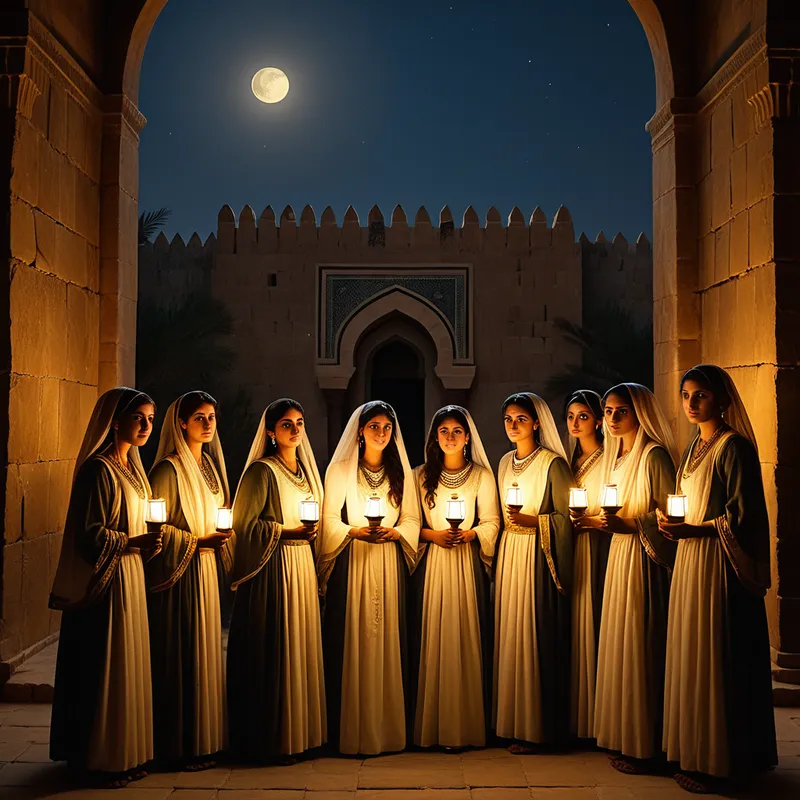
In a time when the horizon was a promise and not a limit, ten virgins were chosen. Their task was simple, yet it held the weight of the world: to wait. To wait for the Bridegroom, whose coming was as certain as the dawn, yet whose hour was a secret kept by the turning stars. They were clad in the white of expectation, each given a lamp—a clay vessel of potential light.
Five of them were called Wise. They looked at their lamps, then beyond them. They saw not just the ceremony, but the long, unknowable darkness that precedes it. And so, alongside their lamps, they gathered flasks. These flasks they filled to the brim with clear, golden oil—the patient labor of the olive press, the essence of foresight. The other five, called Foolish, clutched their lamps with joy. The light was for the feast, was it not? Why carry the extra weight? The hour seemed imminent; the oil in their lamps would suffice.
The sun drowned in the west. The virgins took their places, a line of white against the gathering blue-black. The first stars pricked the sky. The lamps were lit, a chain of ten hopeful flames dancing in the twilight. And then, they waited.
Hours bled into the deeper night. The chatter of anticipation faded. The cool air grew heavy with silence. Eyelids grew leaden. One by one, the virgins, wise and foolish alike, succumbed to the slow, irresistible tide of sleep, their heads nodding, their lamps held tight.
A cry shattered the stillness—a shout that came from the very walls of the city, echoed by a trumpet's blast sharp enough to cut the soul. "Behold! The Bridegroom comes! Go out to meet him!"
They startled awake, a jolt of pure adrenaline. Fumbling in the profound dark, they scrambled to tend their lamps. The five Wise ones trimmed their wicks and poured from their hidden flasks. Their flames leapt up, steady and strong, casting determined circles of light on the dusty ground.
But from the five Foolish ones came a gasp of horror. Their lamps were guttering, dying. The oil that had seemed so plentiful at dusk was gone, consumed by the long, unanticipated vigil. "Give us some of your oil," they pleaded, their voices thin with panic, "for our lamps are going out."
The Wise ones looked at them, their faces illuminated by their own sure light, etched with a sorrow as deep as the night. "Perhaps there will not be enough for both us and you," they said, their words not cruel, but final, a law of physics spoken softly. "Go instead to the dealers and buy some for yourselves."
And as the Foolish ones turned and fled into the blackness, seeking a market that sleeps when the world sleeps, a sound rolled through the streets. The gates of the wedding feast were closing. The Wise virgins, their lamps held high, entered into the blaze of light, music, and celebration. The great door, thick and studded with iron, swung shut with a thunderous, definitive thud.
Later, much later, a pounding came upon that door. The Foolish ones had returned, their hands stained with oil, their voices raw. "Lord, Lord, open to us!" But from within, a voice answered, a voice that carried the warmth of the feast and the chill of truth: "Truly, I say to you, I do not know you."
And so, the tale ends. Not with a moral, but with an echo in the dark: Watch, therefore, for you know neither the day nor the hour.
Cultural Origins & Context
This story is not a myth from the deep pagan past, but a parable delivered by Jesus of Nazareth, as recorded in the Gospel of Matthew (25:1-13). It sits within a collection of teachings known as the "Olivet Discourse," given near the end of his life concerning the culmination of the age and the coming of the Kingdom of God.
Its primary audience was a 1st-century Jewish community living under Roman occupation, a people steeped in the imagery of covenant, bridegrooms, and lamps as symbols of the law and the soul. The parable was an oral teaching, designed to be memorable, stark, and existentially urgent. Its societal function was dual: to bolster the faith of a persecuted early church awaiting Christ's promised return, and to instill a posture of active, prepared faithfulness—a spirituality not of passive waiting, but of vigilant readiness. It was a story that transformed eschatological hope from a distant theory into a present-tense ethic.
Symbolic Architecture
The parable is a masterclass in symbolic economy. Every element is a vessel of meaning. The Bridegroom represents the ultimate transformative moment—the arrival of grace, enlightenment, death, or any critical threshold of existence that cannot be scheduled. The wedding feast is the state of fulfilled union, wholeness, or integrated consciousness.
The ten virgins symbolize the human soul in a state of potential, purity of intention, and expectation. Their division into Wise and Foolish is not a judgment of character, but a diagnosis of consciousness.
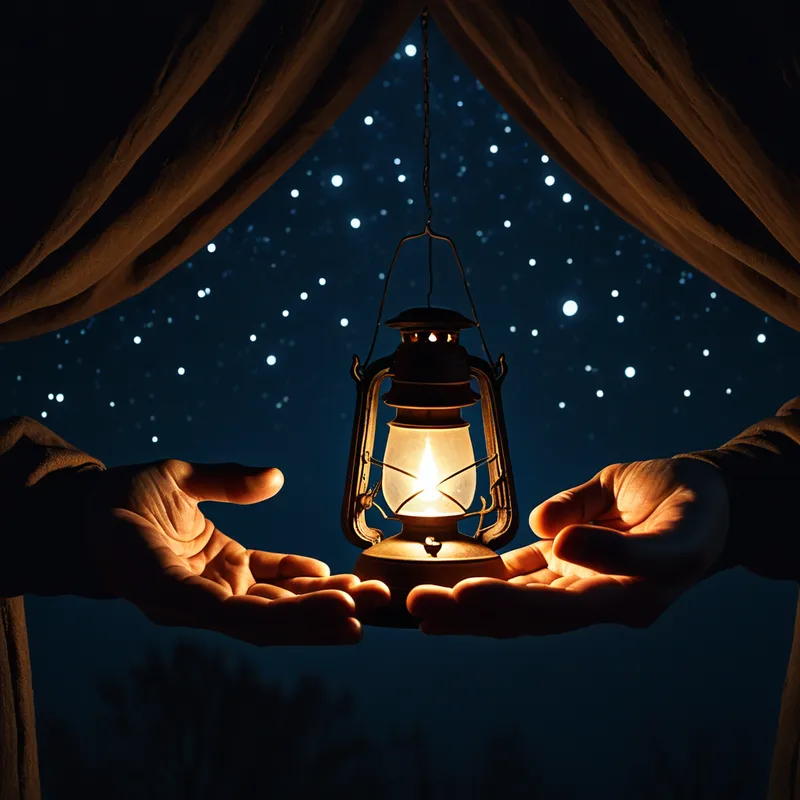
The oil is the central mystery. It is not faith itself, but the substance of faith. It is the accumulated inner resource: conscious attention, psychological work, practiced virtue, self-knowledge. It is what fuels the lamp when the external excitement fades.
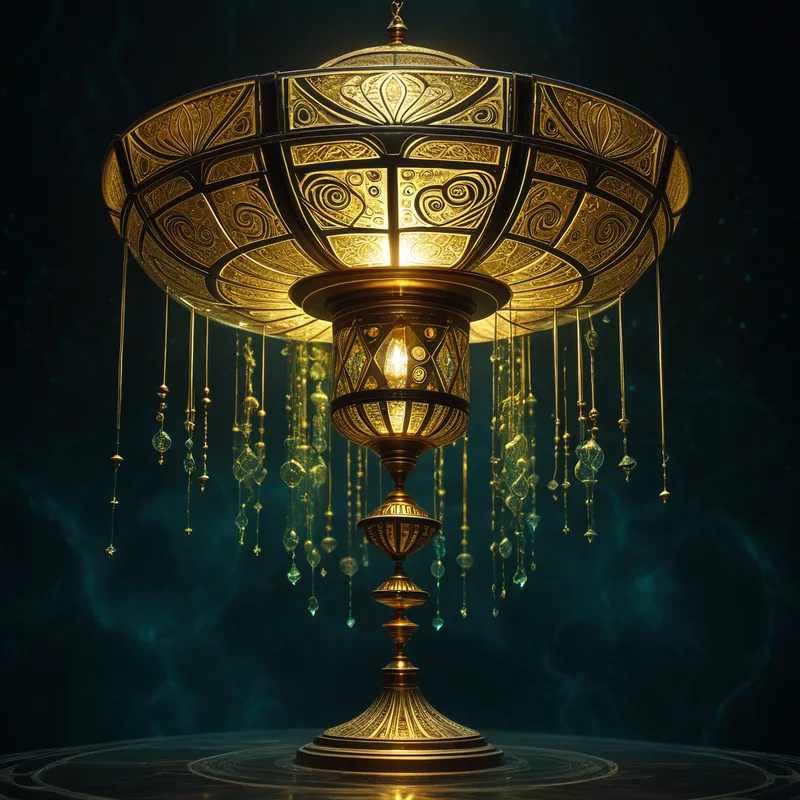
The lamp is the visible life, the persona, or the spiritual practice one carries in the world. It can shine brightly, but it cannot generate its own fuel. The sleep that overtakes all is the inevitable human condition of unconsciousness, distraction, and the weariness of life. The crisis comes not from sleeping, but from being unprepared to rekindle the light upon awakening.
The shut door is the most terrifying and profound symbol: the irrevocable nature of certain opportunities. It speaks to the psychological truth that some thresholds, once crossed or missed, cannot be revisited. The readiness cannot be borrowed or acquired at the last moment from another.
The Dreamer's Resonance
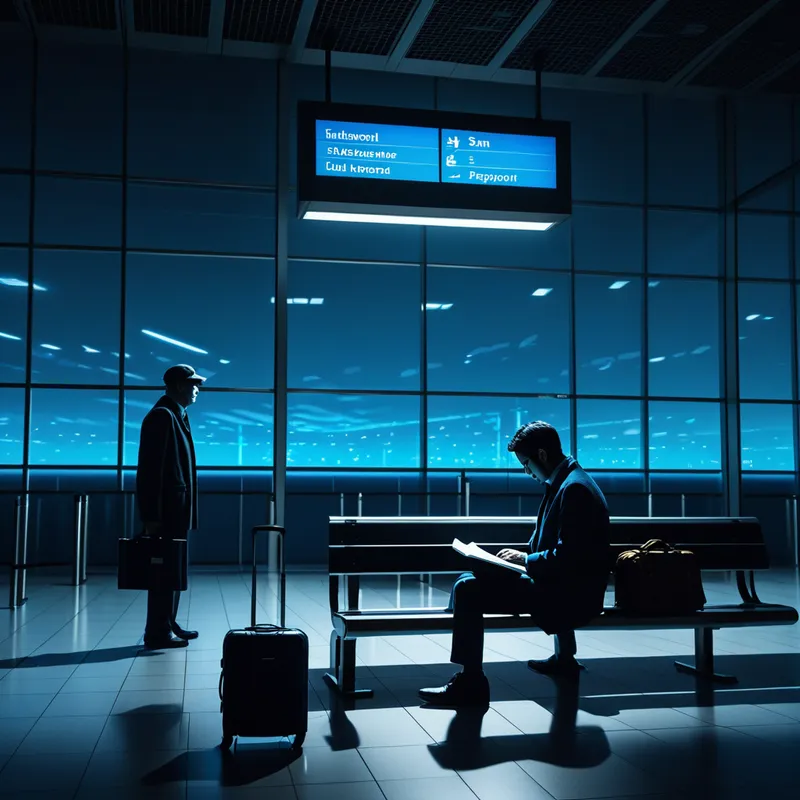
When this myth stirs in the modern unconscious, it often manifests as dreams of profound lateness or missed connections. The dreamer is rushing through an endless, labyrinthine train station, unable to find the platform. They are standing outside a glowing party, hearing the laughter within, but the door will not open. They are taking a final exam for a class they never attended.
Somatically, this is the process of confronting a neglected aspect of the Self. The "oil" represents the inner work that has been postponed—the difficult conversation, the creative project, the self-care, the shadow integration. The anxiety in the dream is the psyche's alarm at recognizing a depletion of inner resources. The dream is not a punishment, but a stark inventory: What have you prepared? What sustenance have you stored for the long, dark night of the soul that comes for everyone? The figure of the other virgins, often dreamt as familiar friends or colleagues who are calmly prepared, reflects our projection of wholeness onto others and the painful realization that our readiness is a non-transferable, solitary responsibility.
Alchemical Translation
For the modern individual on the path of individuation, the parable of the virgins is an alchemical manual for the transmutation of time into consciousness.
The Foolish virgins represent the ego that lives provisionally, always assuming resources will be available from the outside—from the next job, the next relationship, the next spiritual workshop. Their lamp is bright with borrowed enthusiasm, but their flask is empty. The alchemical failure here is the refusal to engage in the opus, the long, slow, patient work of distillation. They seek the gold without enduring the fire of the nigredo, the dark night of preparation.
The Wise virgins have submitted to this process. They have taken the raw olives of experience—the pains, the joys, the boredom, the insights—and have pressed them, through reflection and integration, into pure, stable oil. This is the alchemical separatio and coagulatio: separating the essential from the transient, and consolidating it into a durable inner substance.
The moment of the cry at midnight is the alchemical mortificatio—the death of the old, compliant self. The true test is not in the waiting, but in the awakening.
The wise ones do not awaken to panic, because their inner work has created a psychic structure that can withstand shock. Their "yes" to the Bridegroom is powered by a fuel they have crafted themselves. Entering the feast is the rubedo, the reddening, the achievement of a conscious, illuminated state of being. The shut door, from this perspective, is not a divine rejection, but the natural consequence of a life lived externally. One cannot enter the wedding hall of the integrated Self if one arrives at the threshold with nothing but an empty vessel.
Thus, the myth translates to a timeless imperative: Begin the distillation now. Attend to your flask. For the night is long, and the call to awaken comes when we least expect it, demanding not our excitement, but our substance.
Associated Symbols
Explore related symbols from the CaleaDream lexicon: