The Origin of Wrestling Myth Meaning & Symbolism
A myth where a hero's wrestling victory over a cosmic giant births the sport, embodying the struggle between human spirit and primordial chaos.
The Tale of The Origin of Wrestling
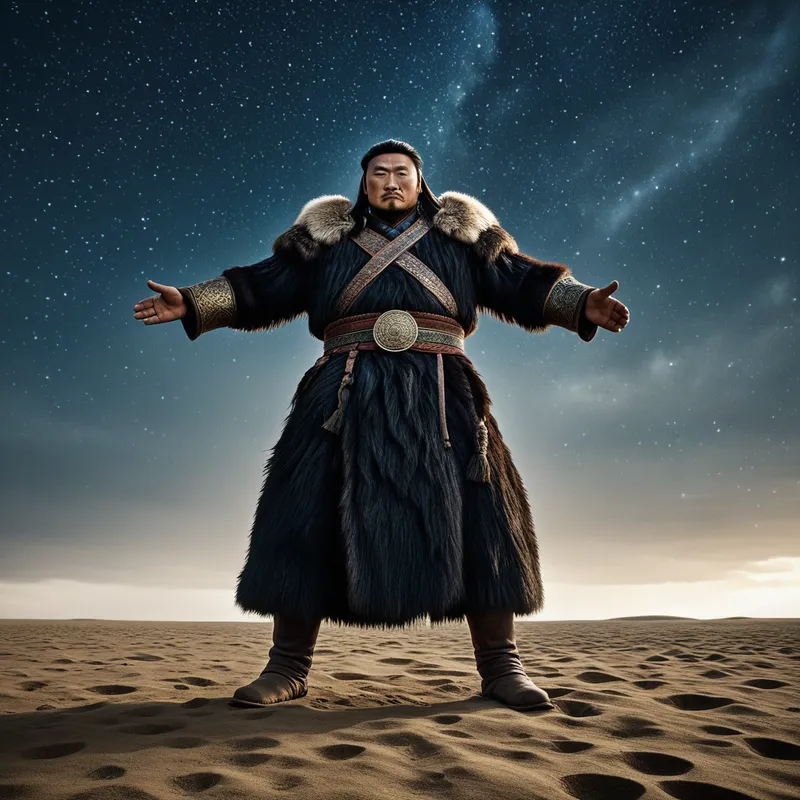
Before there were men to remember, when the world was young and raw, the sky pressed close to the earth. The ninety-nine Tengri watched from their high pastures of cloud, but below, a great shadow stirred. It was a being of the Before-Time, a giant born from the groaning of the first mountains and the sigh of the deepest caves. He was Manggus, whose strength was the chaos of unshaped stone, whose breath was the dust of crumbling cliffs. He roamed the endless steppe, and with each footfall, the earth trembled. With each sweep of his arm, he toppled the young forests the Tengri had seeded. He was disorder made flesh, a weight upon the heart of the world.
The Tengri saw the land buckling under this aimless power. They did not send lightning or storm. Instead, they breathed a thought into the wind that sweeps across the high passes. From this breath, where the Eternal Blue Sky met the Etugen, a spark kindled. It fell to the earth not as fire, but as spirit, taking root in the form of a man. He was not born of woman, but of necessity. His name was Bökh-Baatar, whose bones were forged from mountain iron and whose sinews were woven from the tough roots of the steppe grass.
They met at the place where the world’s navel was said to be, a vast, flat plain under the watchful eye of the sun. Manggus did not roar; he was silence and looming mass. Bökh-Baatar did not shout; his breath was steady as the north wind. There were no weapons, for this was a contest of essence. The giant reached down, his hand like a falling crag. Bökh-Baatar did not flee. He stepped into the grasp, his own hands finding purchase on the colossal wrist.
For nine days and nine nights, they wrestled. Their struggle was not of fury, but of profound intent. Manggus sought to press the hero into the earth, to bury the spirit under mindless weight. Bökh-Baatar sought not to break, but to lift, to redirect the chaotic force. He moved like water around stone, like an eagle riding the storm’s current. He listened to the giant’s imbalance, felt the tremor in its stance. The ground beneath them became a perfect, worn circle.
On the tenth dawn, as the first light cut the horizon, Bökh-Baatar found the core of the giant’s swirling force. As Manggus leaned his immense weight forward, the hero pivoted, using the giant’s own momentum. He did not throw him down with violence, but with a definitive, graceful arc that spoke of understanding, not hatred. Manggus fell. And as his form touched the earth, it did not shatter. It dissolved, seeping back into the soil, its raw power now distributed, becoming the enduring strength of the land itself.
From the circle of their struggle, Bökh-Baatar rose. He turned to the children of men who had gathered, watching from afar. He showed them the holds, the steps, the dance of balance and leverage. “This,” he said, his voice the sound of wind in the long grass, “is how you meet the giant. Not with fear, but with embraced strength. This is the art of Bökh.” And so the first wrestling match ended, and the eternal practice began.
Cultural Origins & Context
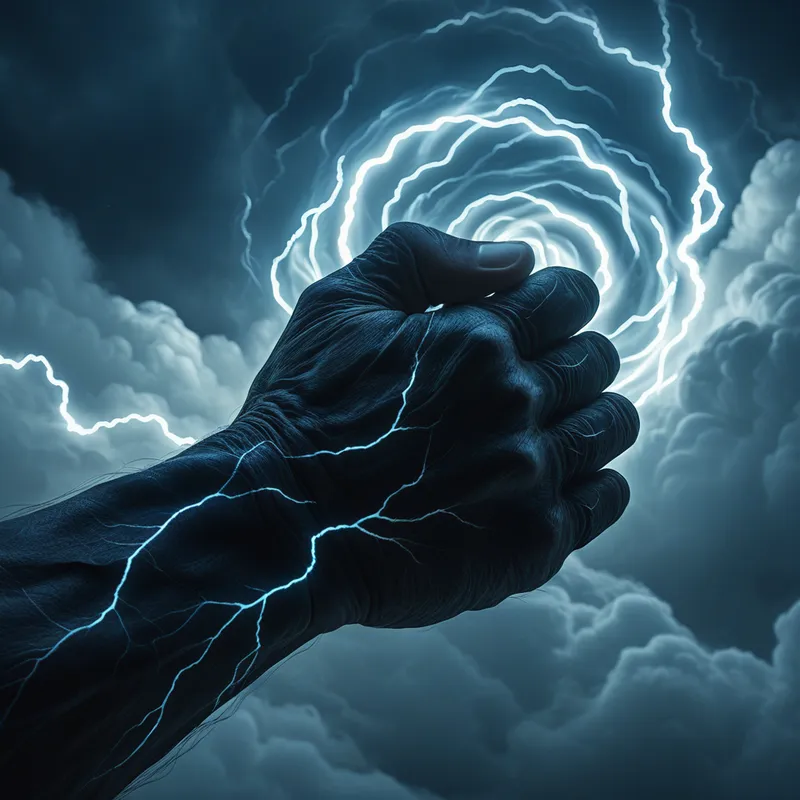
This origin myth is the spiritual bedrock of Bökh, one of the “Three Manly Games” alongside archery and horseracing, central to the Naadam. It was not preserved in written texts but carried in the oral tradition by shamans (Böö) and storytellers, recited during gatherings before major competitions or as part of initiatory teachings. Its function was multifaceted: it was a sacred charter for the sport, lifting it from mere contest to a re-enactment of cosmic order. It served as a pedagogical tool, encoding the philosophy of the wrestler—strength tempered by wisdom, aggression guided by strategy. Societally, it reinforced the ideal of the hero who serves the community by confronting chaos, modeling how raw, individual power could be ritualized into a form that honors the sky, the earth, and the collective spirit.
Symbolic Architecture
The myth presents a foundational [drama](/symbols/drama “Symbol: Drama signifies narratives, emotional expression, and the exploration of human experiences.”/) of [consciousness](/symbols/consciousness “Symbol: Consciousness represents the state of awareness and perception, encompassing thoughts, feelings, and experiences.”/) imposing form on the formless. Manggus is the undifferentiated, unconscious force of the psyche and the world—pure potential, but also pure inertia and [threat](/symbols/threat “Symbol: A threat in dreams often reflects feelings of vulnerability, anxiety, or fear regarding one’s safety or well-being. It can indicate unresolved conflicts or the presence of external pressures.”/). Bökh-Baatar is the emerging ego-[consciousness](/symbols/consciousness “Symbol: Consciousness represents the state of awareness and perception, encompassing thoughts, feelings, and experiences.”/), the “I” that must engage, contain, and transform that inner and outer [chaos](/symbols/chaos “Symbol: In Arts & Music, chaos represents raw creative potential, uncontrolled expression, and the breakdown of order to forge new artistic forms.”/).
The first act of culture is not to destroy the wild, but to wrestle with it until a ritual is born.
The wrestling circle itself is a [Mandala](/symbols/mandala “Symbol: A sacred geometric circle representing wholeness, the cosmos, and the journey toward spiritual integration.”/), a sacred [space](/symbols/space “Symbol: Dreaming of ‘Space’ often symbolizes the vastness of potential, personal freedom, or feelings of isolation and exploration in one’s life.”/) where the infinite conflict is made finite and manageable. The nine-day [duration](/symbols/duration “Symbol: Duration in dreams represents the perception of time’s passage, measuring life phases, patience, or existential awareness of one’s journey.”/) echoes shamanic journeys and cycles of [gestation](/symbols/gestation “Symbol: A period of development and preparation before a significant birth or emergence, symbolizing potential, transformation, and the journey toward manifestation.”/). The victory is not annihilation but [integration](/symbols/integration “Symbol: The process of unifying disparate parts of the self or experience into a cohesive whole, often representing psychological wholeness or resolution of internal conflict.”/); the giant’s power returns to the [earth](/symbols/earth “Symbol: The symbol of Earth often represents grounding, stability, and the physical realm, embodying a connection to nature and the innate support it provides.”/), suggesting that our raw instincts, when properly engaged, become the [fertile ground](/symbols/fertile-ground “Symbol: Fertile ground symbolizes potential, growth, and the promise of new beginnings, reflecting a state where life can thrive.”/) of our [character](/symbols/character “Symbol: Characters in dreams often signify different aspects of the dreamer’s personality or influences in their life.”/). The Devekh, or [eagle](/symbols/eagle “Symbol: The eagle is a symbol of power, freedom, and transcendence, often representing a person’s aspirations and higher self.”/) dance, performed by wrestlers before matches, is a direct mimicry of Bökh-Baatar’s soaring, strategic [spirit](/symbols/spirit “Symbol: Spirit symbolizes the essence of life, vitality, and the spiritual journey of the individual.”/), claiming the symbolic [space](/symbols/space “Symbol: Dreaming of ‘Space’ often symbolizes the vastness of potential, personal freedom, or feelings of isolation and exploration in one’s life.”/) of the circle.
The Dreamer’s Resonance
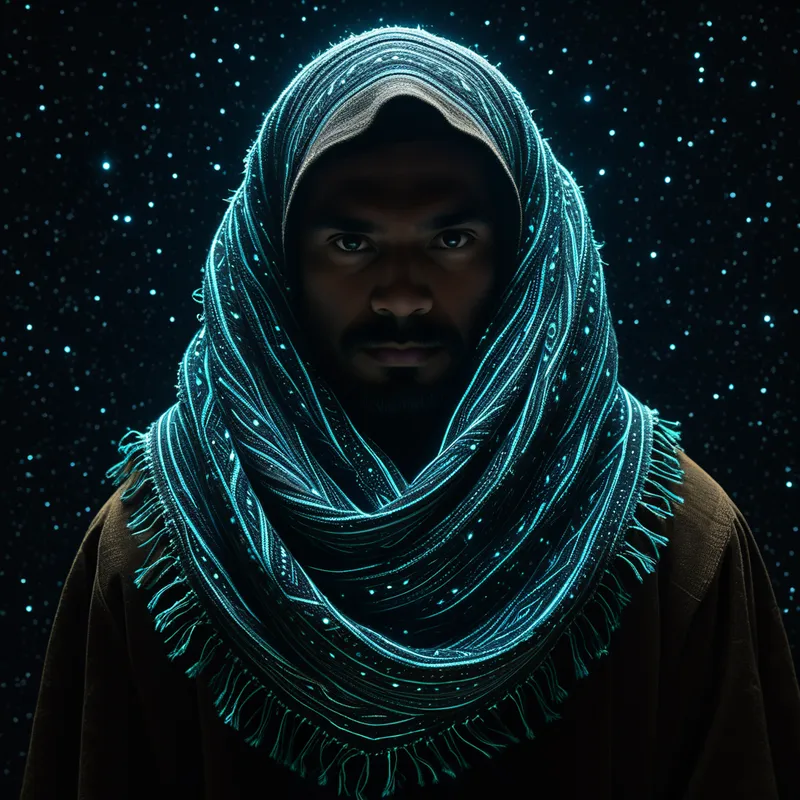
When this myth stirs in the modern dreamer, it often manifests as dreams of grappling with an overwhelming figure, a monstrous shadow, or an immense, vague weight. The somatic experience is profound: the feeling of immense pressure, of being pinned, coupled with a fierce, focused determination to find a point of leverage. Psychologically, this indicates a confrontation with the Shadow—a repressed complex, a buried trauma, or a chaotic life circumstance that feels “larger than life.” The dream is not a call to obliterate this force, but to engage it directly, body and soul, to learn its rhythms and find the precise pivot point where its energy can be redirected. The dream may end in a stalemate, a fall, or a stand-up—each revealing the dreamer’s current capacity to handle their inner Manggus.
Alchemical Translation
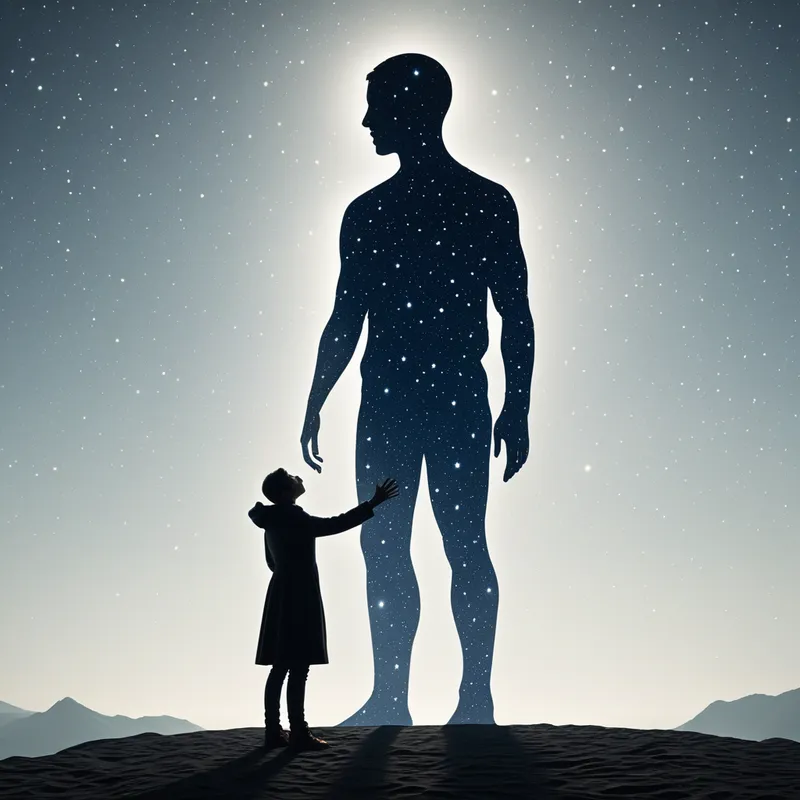
The myth is a perfect allegory for the Jungian process of Individuation. The giant represents the prima materia—the leaden, unconscious mass of the untapped psyche. The hero’s conscious engagement is the beginning of the work. The long, grueling struggle is the stage of nigredo, the blackening, where one confronts the darkness and feels utterly tested.
The goal is not to win against yourself, but to transform the conflict into a dance whose steps you now know.
The moment of the throw is the albedo, the whitening, where insight dawns—the realization that the shadow’s power is part of one’s own totality. The giant’s dissolution into the earth is the rubedo, the reddening, where the integrated energy becomes a source of life and creativity, no longer a threat. For the modern individual, this translates to any profound inner struggle: with addiction, grief, rage, or aimlessness. The myth teaches that the solution is not avoidance or brute suppression, but to step into the circle, embrace the struggle with respectful focus, and through disciplined engagement (Bökh), transmute chaotic suffering into structured strength and personal ritual.
Associated Symbols
Explore related symbols from the CaleaDream lexicon:
- Earth — The arena of the struggle and the final repository of the giant’s transformed power, representing the grounding of chaotic energy into fertile reality.
- Circle — The sacred wrestling ring, a mandala symbolizing the cosmos, the field of conflict, and the boundary within which chaos is made orderly.
- Hero — The embodied consciousness, Bökh-Baatar, who answers the call to engage the formless giant, modeling courage and strategic intelligence.
- Shadow — The primordial giant Manggus, representing the immense, unconscious, and potentially destructive aspects of the self and the world.
- Strength — The core currency of the myth, depicted not as brute force but as resilient, intelligent power that can endure and redirect pressure.
- Mountain — Symbolic of the giant’s immovable, ancient mass and the heroic endurance required to confront such a foundational obstacle.
- Sky — The domain of the Tengri, source of the hero’s spiritual mandate and the vast perspective needed to confront earthly chaos.
- Dance — The Devekh and the very movement of the wrestle itself, representing ritual, grace, and strategic flow within intense conflict.
- Order — The ultimate product of the struggle, the transformation of primal chaos into a cultural practice with rules, respect, and beauty.
- Origin — The mythic moment of inception, where a fundamental human activity is born from a divine confrontation, giving it deep meaning.
- Wrestling — The central act and art form, the alchemical ritual through which struggle is formalized, mastered, and made sacred.