The Medicine Bag Myth Meaning & Symbolism
A sacred tale of a lost soul who, through a harrowing vision quest, reclaims a stolen medicine bag and with it, their connection to the world.
The Tale of The Medicine Bag
Listen. The wind does not just blow; it carries a story older than the stones. This is the story of a person who was once whole, and then was not.
In the time when animals still spoke in human tongues, there lived a person whose name is not remembered, for their true name was lost with their power. They walked the earth, but their footsteps made no sound. They ate, but the food held no taste. The laughter of children was a distant echo, and the warmth of the fire could not reach their bones. A great emptiness lived where their spirit should have been. The people whispered that a shadow had passed over them at birth, or that they had offended the spirits. But the truth was simpler, and more terrible: their medicine bag was gone.
It had not been stolen by a rival, nor lost in a river. It had been taken by forgetfulness, by the slow erosion of doubt, by the thousand small distractions of a busy life. The connection had simply… frayed, until the bag, that small pouch of leather and spirit that held the essence of their unique power, their songs, their connection to Wakan Tanka and the animal guides, vanished from the world of the seen. Without it, they were a hollow reed.
Driven by a hunger that food could not satisfy, they went to the Elder, whose eyes were like deep pools reflecting the night sky. “I am a ghost among my own people,” they said, their voice a dry rustle. The Elder nodded, for they had seen this sickness of the soul before. “You must go to the mountain,” the Elder said. “Go with nothing. Seek nothing. And be prepared to lose everything you think you are.”
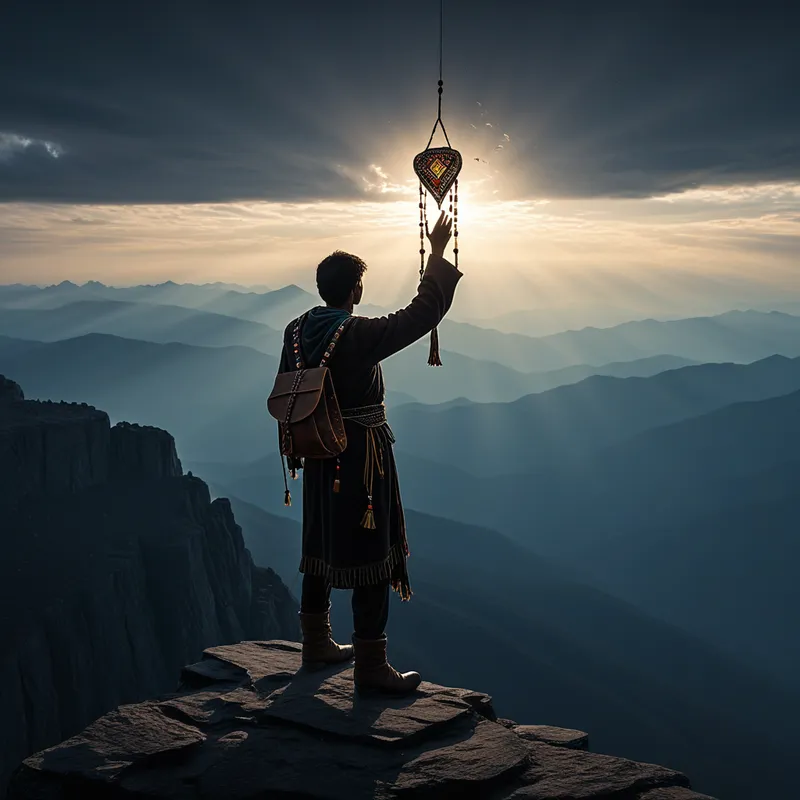
And so the seeker went. They climbed beyond the tree line, where the air grew thin and the voices of the world faded into a vast, singing silence. They built no shelter. They fasted. They prayed until prayer became a wordless ache. On the third night, as cold stars pierced the black velvet of the sky, the visions came.
First came the Trickster, laughing, offering a glittering bag filled with fool’s gold and easy answers. The seeker, parched and weary, almost reached for it, but a faint memory of truth stirred in their gut, and they turned away. The Trickster vanished with a scoff. Then came the Storm, a towering figure of cloud and lightning, who roared that the bag was destroyed, that the seeker was weak and undeserving. The seeker trembled but did not flee; they stood in the lashing wind, accepting the judgment.
Finally, in the dead quiet of the fourth dawn, a she-wolf emerged from the mist. In her jaws, she carried a simple, worn pouch. She laid it at the seeker’s feet. It was not adorned with dazzling feathers or bright beads. It was plain, humble. Yet, as the seeker’s trembling fingers brushed it, a shock ran through them—not of lightning, but of recognition. It was the scent of their first remembered spring. The sound of their mother’s lullaby. The feeling of their own heartbeat, strong and sure.
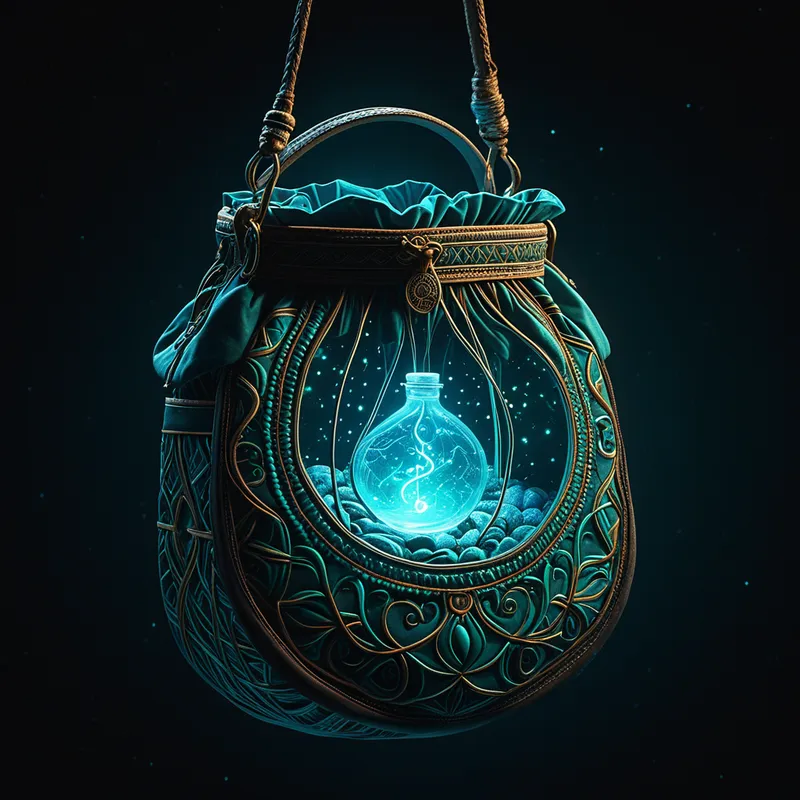
They opened the bag. Inside were not grand talismans, but a smooth river stone, an eagle’s feather, a twist of sweetgrass, and a small, carved wooden figure of a wolf. As they held each object, knowledge flooded them—not as words, but as knowing. The stone was their endurance. The feather was their perspective. The sweetgrass was their connection to all living things. The wolf was their guide through the lonely places.
The seeker descended the mountain. They did not walk with arrogance, but with a quiet gravity. Their footsteps now touched the earth firmly. When they entered the village, the Elder smiled, for they saw not just a person returned, but a world made whole again within them. The seeker had not found a new power. They had remembered, and reclaimed, the power that had always been their own.
Cultural Origins & Context
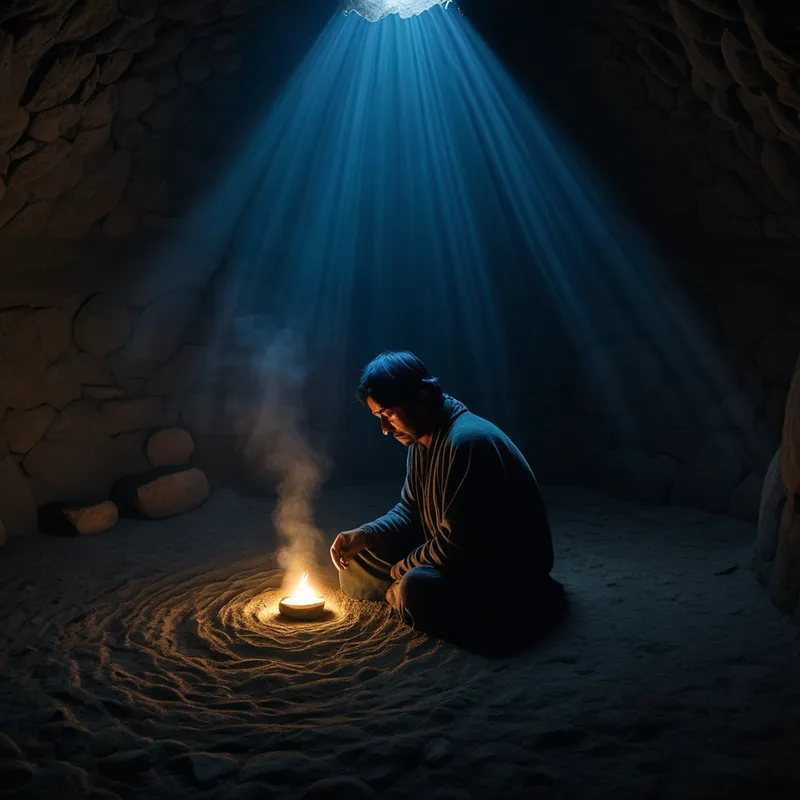
The story of the Medicine Bag is not a single, codified myth from one nation, but a profound archetypal narrative woven through the oral traditions of many Indigenous cultures across Turtle Island. It belongs to the rich tapestry of teachings surrounding the vision quest or Hambledeya. These narratives were traditionally shared by Elders, medicine people, and storytellers, not as mere entertainment, but as vital maps of the soul’s terrain.
Its societal function was multifaceted. For the young person undergoing their coming-of-age quest, it was an instructional story, preparing them for the ordeal and teaching that true power is often simple and earned through humility. For the community, it reinforced the understanding that individual wholeness contributes to collective health. A person disconnected from their medicine is a danger to themselves and the circle of the people. The story served as both a warning against spiritual neglect and a promise that reconnection is always possible, though it demands a courageous journey into the unknown self.
Symbolic Architecture
At its heart, the myth is a masterful depiction of the psyche’s journey from fragmentation to integrity. The lost Medicine Bag represents the disowned or forgotten aspects of the Self—one’s innate talents, deepest values, and authentic connection to the animating force of life. Its loss symbolizes the universal human experience of alienation, depression, or a feeling of meaninglessness that arises when we live out of alignment with our core nature.
The Medicine Bag is not given; it is remembered. Its recovery is not an acquisition, but a homecoming.
The mountain ascent is the classic symbol of the difficult, inward journey. The fasting and exposure represent the necessary stripping away of the ego’s comforts and pretensions. The visions—the Trickster, the Storm, the Wolf—are personifications of internal psychic forces. The Trickster is the lure of quick fixes and inauthentic identities. The Storm is the inner critic and the terrifying chaos of the unconscious. The Wolf, a guide and teacher in many traditions, represents the instinctual, intuitive Self that knows the way home. The humble contents of the bag signify that our essential power is not found in grandiose titles or external validation, but in the basic, earthy qualities of our own soul.
The Dreamer’s Resonance
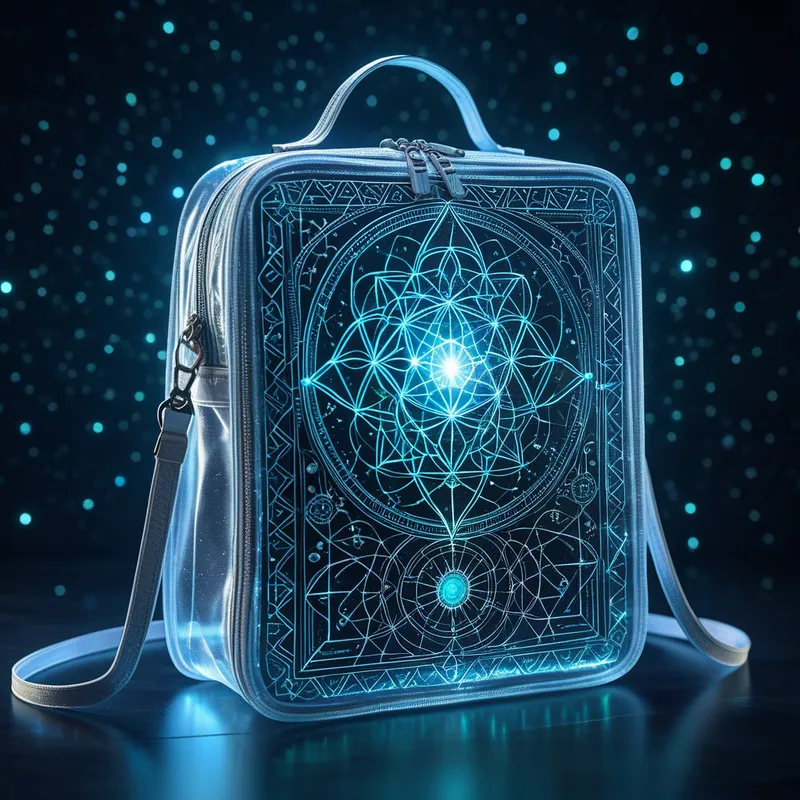
When this myth pattern stirs in the modern dreamer, it signals a profound somatic and psychological process: the call to reclaim personal authority and authenticity. Dreaming of a lost, hidden, or sought-after pouch, box, or container often coincides with a life phase where one feels “off-purpose,” drained, or unrecognizable to themselves.
The somatic experience might be a literal feeling of emptiness in the gut or chest, a chronic fatigue that sleep does not cure, or a sense of being a spectator in one’s own life. Psychologically, this is the orphan archetype in its active phase—the feeling of being cast out from one’s own inner kingdom. The dream is the psyche’s way of initiating the vision quest, of forcing a confrontation with what has been neglected. The search in the dream, whether frantic or resigned, mirrors the waking need to pause, withdraw from the noise of the world, and ask the fundamental questions: “What have I forgotten about who I am? What have I left behind?”
Alchemical Translation
The myth models the complete arc of psychic transmutation, or individuation. The initial state of emptiness (nigredo) is the essential starting point—the dark night of the soul that makes change non-optional. The ascent and ordeal on the mountain represent the mortificatio, the dying of the old, adapted personality that lived without its medicine.
The confrontation with the Trickster and the Storm is the crucial stage of separatio and coniunctio. One must separate from illusion (the Trickster’s false bag) and integrate the shadow (the Storm’s harsh judgment). By facing and accepting these aspects without being destroyed by them, the seeker proves their readiness.
The ordeal does not create the medicine; it creates the vessel strong enough to hold it.
The return of the Wolf with the humble bag is the albedo, the illuminating dawn. The power was always within; the journey was to dissolve the barriers to it. Finally, the descent back to the village with the reclaimed bag symbolizes the rubedo, the red stage of integration, where the redeemed Self returns to the world, now capable of contributing its true, unique essence. For the modern individual, the alchemy is this: we must be willing to feel our deepest emptiness, to journey inward through our personal storms and temptations, not to find a new self, but to recover the authentic one we were born to be. The Medicine Bag awaits, not on the mountain, but at the center of our own forgotten stillness.
Associated Symbols
Explore related symbols from the CaleaDream lexicon: