The Labors of Hercules from Gr Myth Meaning & Symbolism
A hero, maddened by fate, must complete twelve impossible labors to cleanse his soul and ascend from mortal suffering to divine status.
The Tale of The Labors of Hercules from Gr
Hear now the tale of the strongest man who ever drew breath, and the heaviest burden ever borne. It begins not with glory, but with a scream in the dark—the scream of a mother, Alcmene, as she brings forth a son touched by the thunder. It begins with the jealous, searing gaze of Hera, who from that first breath marked the child Heracles as her own personal torment.
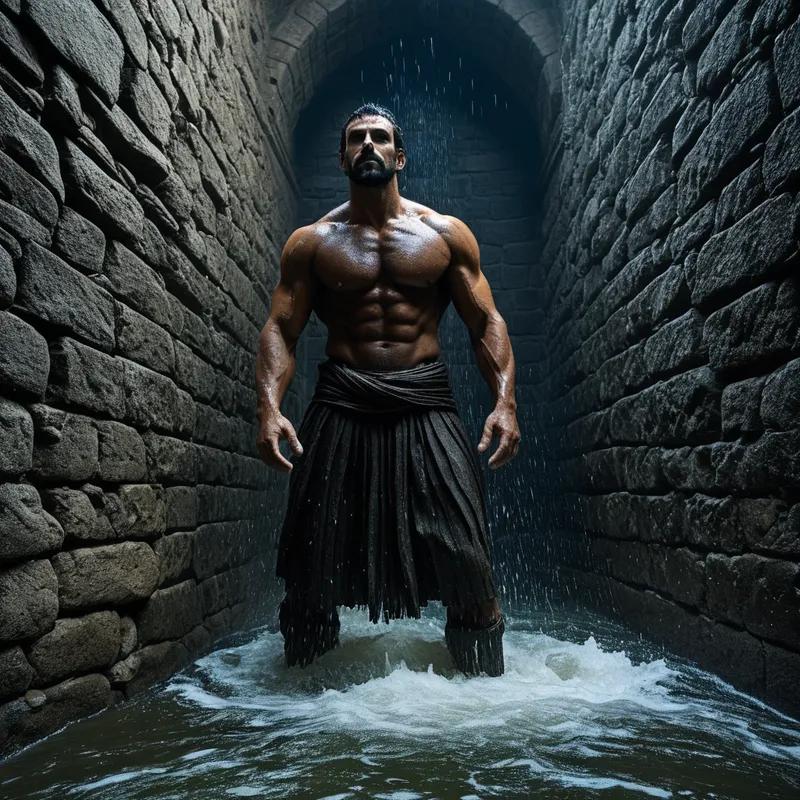
The boy grew like a storm, his strength a river in flood, but Hera’s poison dripped into his cup of life. In a fit of madness she sent, he saw not his beloved wife and children, but monstrous shapes. When the red mist cleared, he stood amidst the terrible silence of his own home, his hands stained with what he loved most. The horror was absolute. The strongest man in the world was broken, a hollow vessel of ash and regret.
To purify this defilement, he journeyed to the sacred seat of Apollo at Delphi. The Pythia, wreathed in sacred fumes, did not offer comfort. The voice that issued forth was cold, divine logic: to be cleansed, he must enter the service of his lesser cousin, Eurystheus, and perform ten labors the king would set. Only then would the stain be lifted. Some say it was twelve, for two labors were tainted by aid or trickery, and the debt remained.
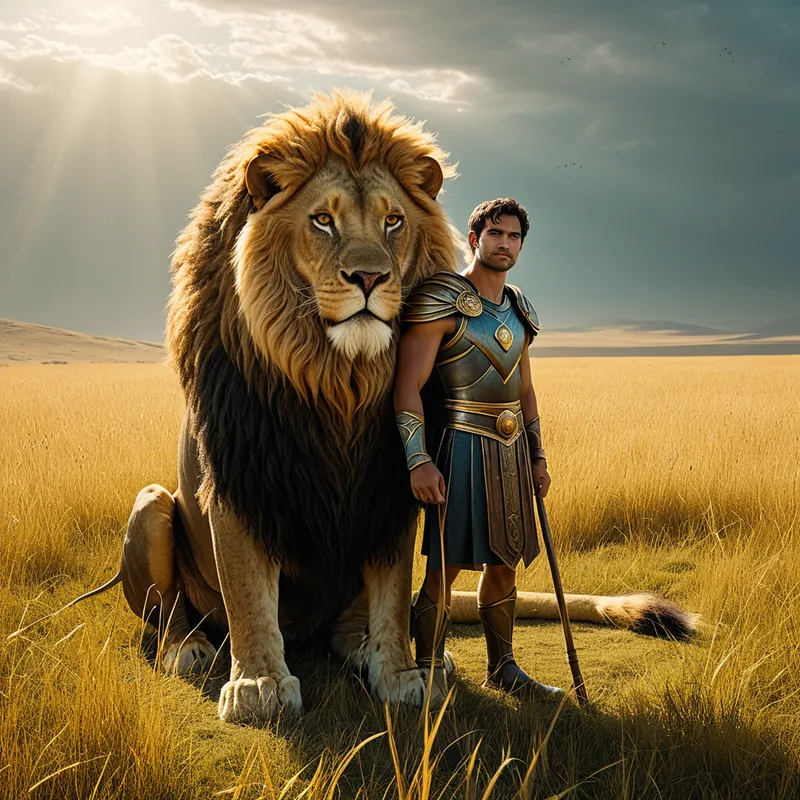
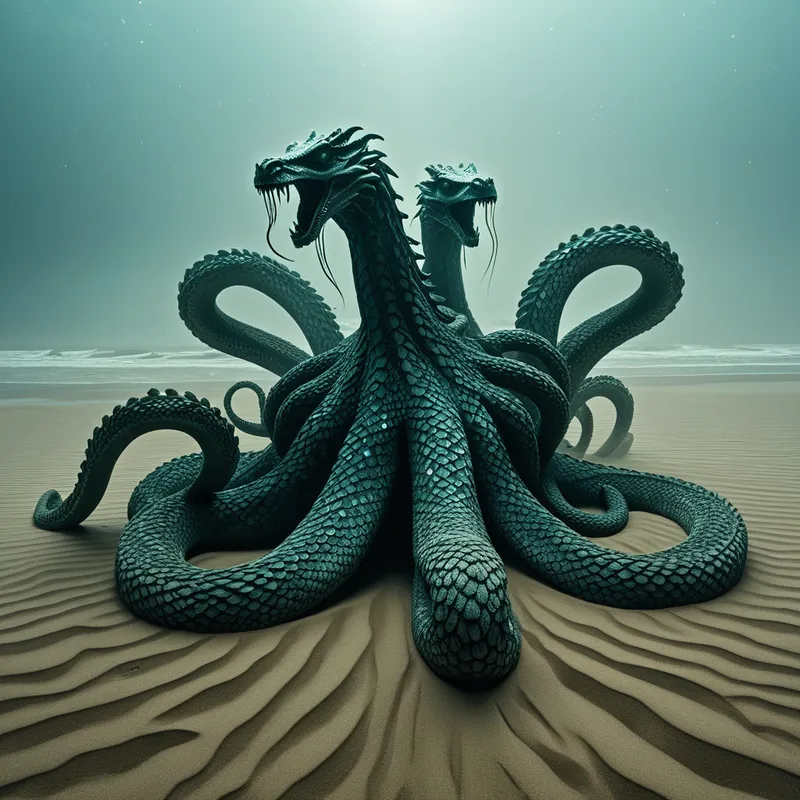
And so the labors began, a brutal poetry of impossibility. First, the lion of Nemea, whose hide turned bronze and stone. Heracles met it in its sun-dappled cave, his club useless. He used the strength of his own arms, the relentless pressure of his embrace, and choked the life from the beast, thereafter wearing its pelt as his own second skin. Next, the Hydra of Lerna, rising from the sulfurous swamp. For every head he crushed with his club, two more hissed into the foul air. He called for his nephew Iolaus, who brought a blazing brand. Heracles severed, and Iolaus seared the stumps, cauterizing the nightmare at its source.
The chase for the Cerynitian Hind lasted a full year, a test of patience as much as speed. The capture of the Erymanthian Boar drove it into deep snow, where Heracles trapped it, alive and raging. He cleansed the Augean Stables not by shovel, but by intellect, redirecting two rivers through their gates in a single, cathartic day. He drove away the Stymphalian Birds with a thunderous bronze rattle, scattering them from their metallic nest. To the island of Crete he went, to wrestle the bull from the sea, feeling its seismic power beneath his hands.
The later labors pulled him to the edges of the known world. He journeyed to the land of the fierce Amazons for the girdle of their queen. He descended to the realm of the dead, to the very court of Hades, to drag the three-headed hound Cerberus, blinking and snarling, into the light of the upper world. He sought the golden apples of the Hesperides, tricking the Titan Atlas into retrieving them while he, for a moment, shouldered the weight of the starry firmament.
When the final task was done, and he stood before Eurystheus for the last time, the man who was once a hollow vessel was gone. In his place stood a figure tempered by suffering, proven by ordeal, cleansed by relentless action. The labors were not a punishment, but a brutal forging. From the ashes of a mortal crime, through the fire of impossible trials, the hero was transmuted. He had not just served a penance; he had, through sheer endurance, earned his place among the stars, ascending from the tragedy of Heracles to the immortality of Hercules.
Cultural Origins & Context
The myth of Heracles is a foundational pillar of Hellenic storytelling, with roots stretching back into the Mycenaean Bronze Age. Unlike the tightly woven narratives of Homer, the Heracles cycle is a sprawling, episodic tradition, collected and standardized by later poets like Hesiod and referenced extensively in tragic drama. It functioned as a national hero myth, with various city-states and regions claiming his exploits occurred in their local landscapes—the Nemean lion here, the Erymanthian boar there—tying the divine hero to the very soil of Greece.
He was a pan-Hellenic figure, worshipped as both a hero (a powerful, semi-divine ancestor who could grant aid) and, later, as a full god. His labors were not merely entertainment; they were a cultural narrative about the relationship between humanity and a chaotic, monster-filled world. Heracles was the civilizing force, the strong arm that cleared the land of primordial threats, making it safe for human order. His story was told in symposia, enacted in festivals, and painted on pottery, serving as a model of ultimate physical prowess, resilience, and the paradoxical idea that great glory is born from great suffering. He was the hero every Greek could aspire to in terms of endurance, yet whose tragic flaw and divine parentage made him uniquely remote.
Symbolic Architecture
At its core, the myth is a profound map of atonement and the arduous path to selfhood. The twelve labors are not a random series of adventures; they are a prescribed curriculum for psychic purification.
The hero’s greatest battle is not with the lion or the hydra, but with the chaos unleashed from within his own soul. The labors are the ritual that contains that chaos, giving it form and a sequence to be overcome.
Heracles begins in a state of miasma—ritual pollution and psychological fragmentation caused by his unwitting crime. The oracle’s command to serve the weak, cowardly Eurystheus is the first brutal lesson: the ego (Heracles) must submit to a seemingly inferior guiding principle (the conscious task, the “kingdom” of the psyche) to begin the work. The labors themselves symbolize confronting the contents of the unconscious. The Nemean Lion represents the raw, untamed power of the instinctual self—it cannot be defeated from the outside (weapons), only integrated through direct engagement (his arms). The Lernaean Hydra is the problem of complex neurosis or trauma; solving it superficially (cutting heads) only makes it grow, requiring the illuminating, cauterizing fire of consciousness (Iolaus’s brand) to truly heal.
The journey to fetch Cerberus from the Underworld is the ultimate nekyia, the descent into the deepest layers of the psyche to retrieve and integrate the most primal, terrifying aspects of one’s own nature. The final labor, the Apples of the Hesperides, represents the achievement of wholeness (teleios), the golden fruit of immortality earned not by birthright, but by the complete journey through the trials of life.
The Dreamer’s Resonance
When this myth stirs in the modern unconscious, it often manifests as dreams of overwhelming, sequential tasks. The dreamer may find themselves in an endless, filthy stable they must clean, or pursued by a beast they cannot outrun or harm. They may dream of being sent on a futile errand by a petty, mocking authority figure. These are not simple stress dreams; they are somatic signals of a profound psychological process.
The body in such dreams often feels heavy, burdened, yet compelled to act. This resonates with the core somatic experience of Heracles: the weight of guilt transformed into the weight of purpose. The dreamer is in a state of “labor”—not yet individuation, but the necessary, grueling groundwork of confronting shadow material. The specific beast or task in the dream can be a direct symbol of a real-life “impossible” challenge: a multi-headed hydra of familial conflict, an invulnerable lion of depression, the fetid stables of a neglected responsibility. The dream is presenting the challenge in its mythic form, inviting the dreamer to find their own “Heraclean” strength, patience, or cunning to meet it.
Alchemical Translation
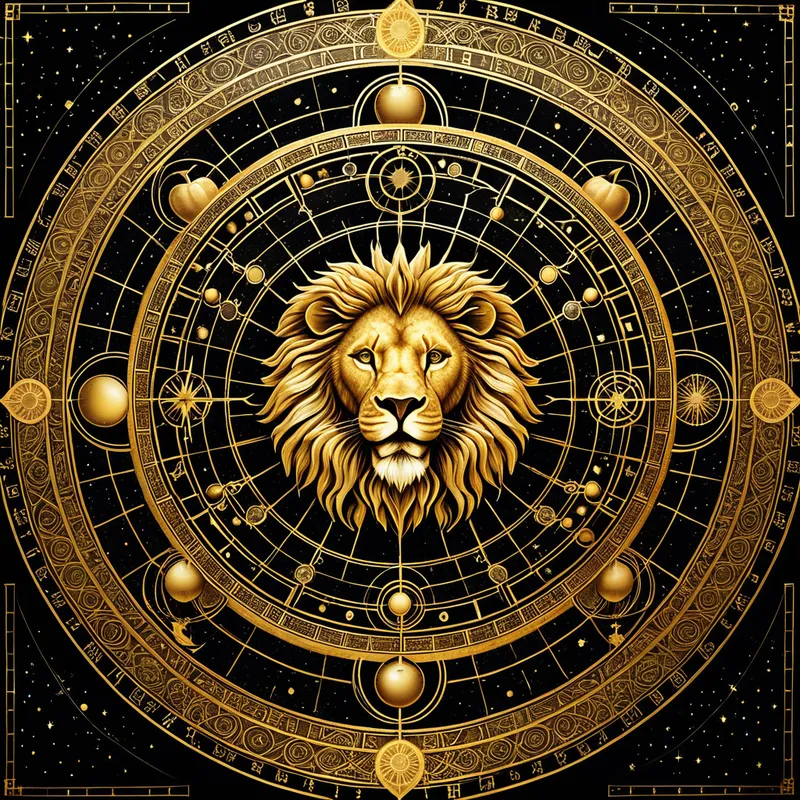
The alchemical process mirrored in the Labors is the long, iterative work of nigredo, albedo, and rubedo—the blackening, whitening, and reddening that leads to the philosopher’s stone of the integrated self.
The initial crime and madness are the nigredo, the descent into the black, chaotic prima materia of the soul. The labors are the sustained fire of the albedo, the washing and purifying. Each labor is a sublimation: a brute physical challenge (the boar) becomes an exercise in strategy and environmental mastery; a quest for a object (the girdle) becomes a navigation of complex social and gendered dynamics. Heracles does not merely destroy; he captures, redirects, and retrieves. He transforms wild forces into useful ones, integrating their power.
The ultimate alchemical secret of the labors is that the agent of transformation is not the hero who begins the journey, but the one who ends it. The lead of his guilt is transmuted into the gold of his apotheosis through the vessel of the trials themselves.
For the modern individual, this myth does not counsel performing literal heroic feats. It models the necessity of accepting a profound, life-altering mistake or trauma as the starting point for a deliberate, structured journey of reparation and self-redefinition. It is about submitting to a process larger than one’s ego, confronting the “monsters” of one’s past and psyche in a disciplined sequence, and in doing so, forging a self that is no longer defined by its original flaw, but by the strength and wisdom gained in overcoming it. One becomes immortal not by avoiding the human condition, but by passing through its most fiery trials with conscious, enduring will.
Associated Symbols
Explore related symbols from the CaleaDream lexicon: