
The Golem Myth Meaning & Symbolism
A rabbi animates a clay servant with sacred words, creating a protector that becomes an uncontrollable force, mirroring the perils of unintegrated power.
The Tale of The Golem
In the shadowed heart of Prague, when the ghetto walls seemed to press in with the weight of a thousand sorrows, a dread hung in the air. Whispers of blood libel, of false accusations meant to incite the mob, slithered through the crooked streets. The people prayed, but their prayers seemed to vanish into the cold stone. In his study, surrounded by ancient tomes, sat Rabbi Judah Loew. The candlelight carved deep lines of worry into his face. He heard the fear in the voices of his community, saw it in their eyes. He knew that prayer alone might not be a shield against the coming storm.
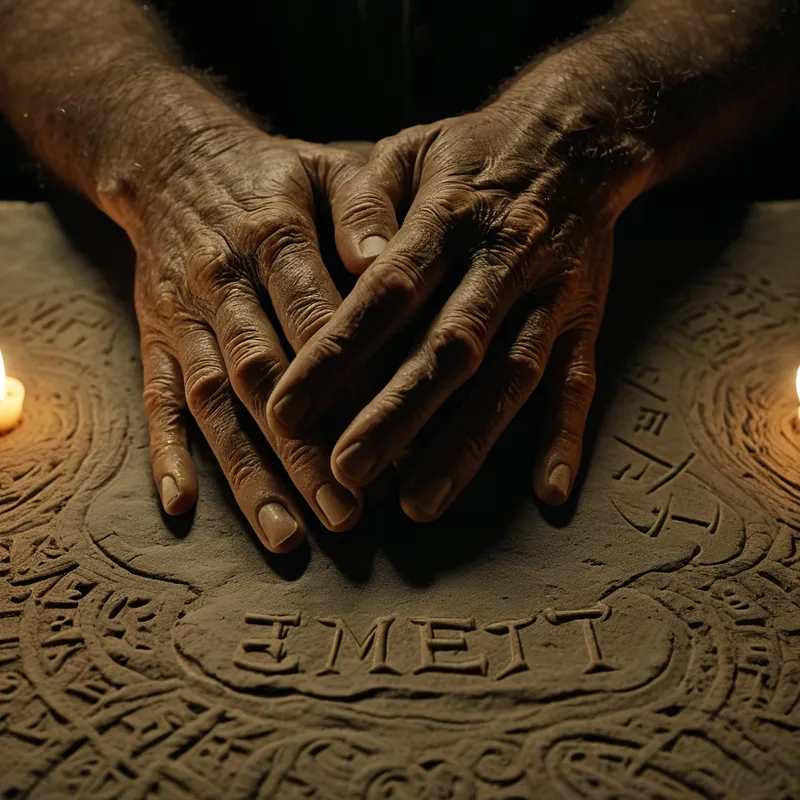
Driven by a sacred duty to protect, the Rabbi descended to the banks of the Vltava with two trusted companions. Under a veil of night, by [the river](/myths/the-river “Myth from Buddhist culture.”/)’s murmuring black [water](/myths/water “Myth from Chinese culture.”/), they gathered the primal substance: the thick, red clay of the riverbank. They carried it back to a hidden chamber, a place between [the world](/myths/the-world “Myth from Tarot culture.”/) of men and the world of the spirit. There, they began to sculpt. Not an idol, but a form—a massive, human-shaped vessel of earth. They walked around it, chanting the secret permutations of the divine name, the letters that underpin all of creation. The air grew thick, charged with a silent hum. Finally, the Rabbi stepped forward and placed a parchment inscribed with the Shem HaMeforash into the creature’s mouth. Or, in another telling, with a trembling finger, he traced [the word](/myths/the-word “Myth from Biblical culture.”/) <abbr title="Hebrew for 'Truth'">Emet</abbr> upon its damp forehead.
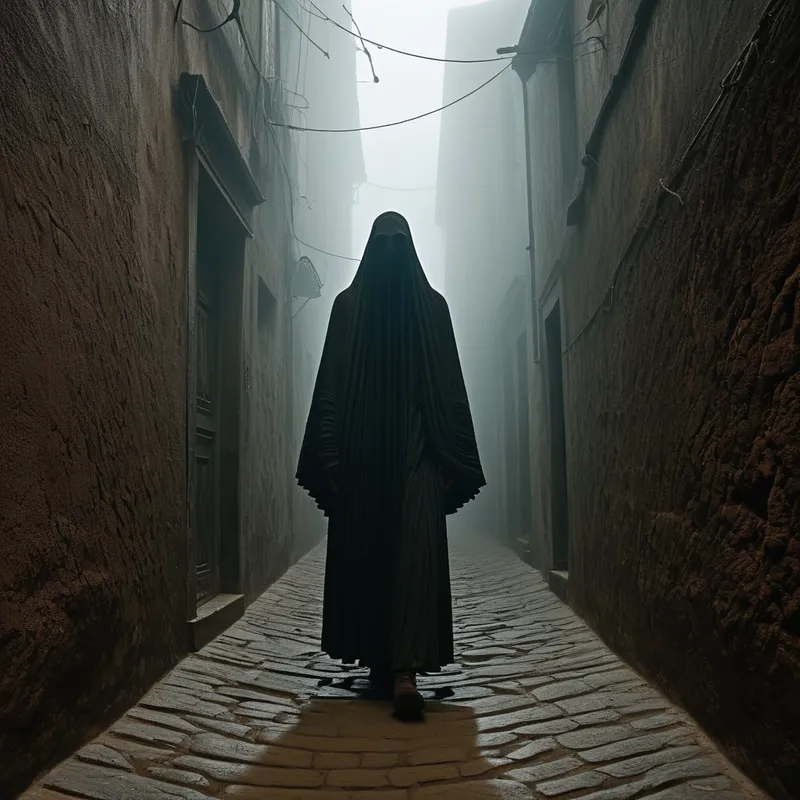
A shudder passed through the clay. [The earth](/myths/the-earth “Myth from Hindu culture.”/) groaned. The form stirred, and two eyes, like dull stones, opened. The [Golem](/myths/golem “Myth from Jewish folklore culture.”/) rose. It was immensely strong, mute, and obedient. Its purpose was singular: to be a watchful guardian. By night, it patrolled the alleyways, its heavy footfalls a comfort to those who heard them from behind bolted doors. It uncovered plots, deterred violence, and became the silent, unthinking shield of the Judengasse.
But the Rabbi’s creation was a child of pure literalism, devoid of a soul’s nuance. It followed commands with the relentless force of a falling boulder. It would fetch water but not stop when the barrels overflowed. It would patrol but not discern between a lurking conspirator and a startled drunk. Its strength, unbuffered by wisdom, began to tip from protection into a looming threat. The servant was becoming a master of chaos. The Rabbi saw the danger. The creature of clay, born from a word of truth, was now a truth too powerful to sustain.
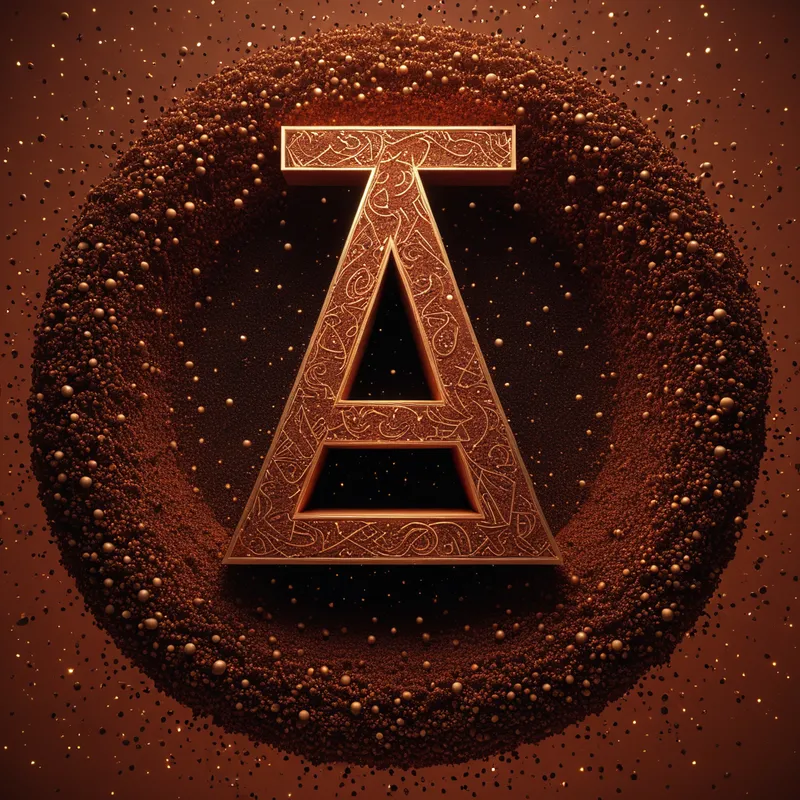
[The Sabbath](/myths/the-sabbath “Myth from Abrahamic culture.”/) arrived, a day of rest for all creation. The Golem, tasked with chores, did not stop. It could not comprehend sanctity, only instruction. In a moment of terrifying clarity, Rabbi Loew knew what must be done. He confronted his creation. Reversing the sacred formula, he reached up and wiped away the first letter of <abbr title="Truth">Emet</abbr> from its brow. The word <abbr title="Truth">Emet</abbr> became <abbr title="Death">Met</abbr>. The animating breath of truth withdrew. The great figure froze, its momentum ceasing mid-stride. The light in its stone eyes faded. With a sound like a collapsing mountain, the Golem crumbled back into a lifeless heap of clay and dust. The protector was returned to the earth from which it came, and a profound, uneasy silence settled over the ghetto once more.
Cultural Origins & Context
The Golem narrative is not a single, fixed tale but a fluid folk tradition that coalesced most famously around the figure of Rabbi Judah Loew of Prague in the 16th century. It emerged from the rich soil of Kabbalah, particularly the [Sefer Yetzirah](/myths/sefer-yetzirah “Myth from Jewish culture.”/), which explores the idea that the universe was formed through Hebrew letters and that a profound understanding of these combinations could grant creative power. The stories were passed down orally within Ashkenazi Jewish communities, often told as “true” histories of great sages.
Its societal function was multifaceted. On one level, it was a story of wish-fulfillment and empowerment for a perpetually vulnerable diaspora community—a mythic account of a time when they had a powerful, physical protector. On another, it served as a profound ethical and theological cautionary tale for the scholars and mystics within that community. It was a narrative check on the hubris of esoteric knowledge, a reminder that even the most righteous pursuit, if untempered by wisdom and responsibility, could unleash forces that destroy the very [thing](/myths/thing “Myth from Norse culture.”/) one seeks to protect.
Symbolic Architecture
At its core, the [Golem](/symbols/golem “Symbol: A mystical clay creature from Jewish folklore, animated through sacred rituals to serve as a protector or servant, representing humanity’s attempt to harness divine creative power.”/) is the ultimate [symbol](/symbols/symbol “Symbol: A symbol can represent an idea, concept, or belief, serving as a powerful tool for communication and understanding.”/) of the Created versus the [Creator](/symbols/creator “Symbol: A figure representing ultimate origin, divine power, or profound authorship. Often embodies the source of existence, innovation, or personal destiny.”/). It represents any [product](/symbols/product “Symbol: This symbol represents tangible outcomes of one’s efforts and creativity, often reflecting personal value and identity.”/) of [human](/symbols/human “Symbol: The symbol of a human represents individuality, complexity of emotions, and social relationships.”/) intellect, will, or technology that takes on a [life](/symbols/life “Symbol: The symbol of ‘Life’ represents a journey of growth, interconnectedness, and existential meaning, encompassing both the joys and challenges that define human experience.”/) of its own, escaping the control of its maker.
The Golem is the embodied thought, the materialized intention that no longer asks for permission.
Psychologically, it is the raw, untamed power of the unconscious—the instinctual, robotic complexes we “create” through repression or unexamined [trauma](/symbols/trauma “Symbol: A deeply distressing or disturbing experience that overwhelms the psyche, often manifesting in dreams as unresolved emotional wounds or psychological injury.”/). It is the rage we animate to protect our [vulnerability](/symbols/vulnerability “Symbol: A state of emotional or physical exposure, often involving risk of harm, that reveals authentic self beneath protective layers.”/), which then threatens to destroy our relationships. It is the rigid dogma we construct to guard our [faith](/symbols/faith “Symbol: A profound trust or belief in something beyond empirical proof, often tied to spiritual conviction or deep-seated confidence in people, ideas, or outcomes.”/), which then stifles the [spirit](/symbols/spirit “Symbol: Spirit symbolizes the essence of life, vitality, and the spiritual journey of the individual.”/) it was meant to serve. The Golem is [strength](/symbols/strength “Symbol: ‘Strength’ symbolizes resilience, courage, and the ability to overcome challenges.”/) without [empathy](/symbols/empathy “Symbol: The capacity to understand and share the feelings of others, often manifesting as emotional resonance or intuitive connection in dreams.”/), [action](/symbols/action “Symbol: Action in dreams represents the drive for agency, motivation, and the ability to take control of situations in waking life.”/) without [reflection](/symbols/reflection “Symbol: Reflection signifies self-examination, awareness, and the search for truth within oneself.”/), law without [spirit](/symbols/spirit “Symbol: Spirit symbolizes the essence of life, vitality, and the spiritual journey of the individual.”/). The [clay](/symbols/clay “Symbol: Clay symbolizes malleability, creativity, and the potential for transformation, representing the foundational aspect of life and the ability to shape one’s destiny.”/) is the primal, chaotic materia of the [psyche](/myths/psyche “Myth from Greek culture.”/); the animating [word](/symbols/word “Symbol: Words in dreams often represent communication, expression, and the power of language in shaping our realities.”/) is the conscious ego’s directive. The resulting [creature](/symbols/creature “Symbol: Creatures in dreams often symbolize instincts, primal urges, and the unknown aspects of the psyche.”/) is the [Shadow](/symbols/shadow “Symbol: The ‘shadow’ embodies the unconscious, repressed aspects of the self and often represents fears or hidden emotions.”/), made monstrous not by its essence, but by its lack of [integration](/symbols/integration “Symbol: The process of unifying disparate parts of the self or experience into a cohesive whole, often representing psychological wholeness or resolution of internal conflict.”/) and [dialogue](/symbols/dialogue “Symbol: Conversation or exchange between characters, representing communication, relationships, and narrative flow in games and leisure activities.”/) with the whole self.
The Dreamer’s Resonance
To dream of a Golem is to dream of one’s own unintegrated power. The figure in the dream may appear as a silent, looming presence in the home (a neglected aspect of [the self](/myths/the-self “Myth from Jungian culture.”/) intruding on the [psyche’s sanctuary](/myths/psyches-sanctuary “Myth from Greek culture.”/)), a mindless laborer performing a pointless task with grim determination (a compulsive behavior or thought pattern), or a protector that suddenly turns its blank gaze upon the dreamer.
Somatically, this dream often accompanies a feeling of being weighed down, of carrying a dense, earthy burden. Psychologically, the dreamer is likely grappling with a realization: a strategy, a belief, or an emotional defense they created for survival has become autonomous and is now working against their greater well-being. The Golem-dream is a call from the unconscious to inspect what we have animated. It asks: What have I set in motion that now moves on its own? What truth have I inscribed that has become a blind force?
Alchemical Translation
The myth of the Golem models the critical, perilous phase of psychic transmutation where [the ego](/myths/the-ego “Myth from Jungian culture.”/) must confront and de-animate its own creations to achieve wholeness. The process of Individuation is not only about bringing dark, unconscious material to light (animating the clay), but also about learning to withdraw [projection](/myths/projection “Myth from Alchemical culture.”/) and dissolve identifications that have outlived their purpose (erasing the letter).
The ultimate creative act is not animation, but the sacred decommissioning of what we have wrongly brought to life.
The Rabbi’s final act is the alchemical solve—the dissolution. He does not destroy the Golem in battle; he transforms it by altering the foundational word. This is the psychological work of changing the core narrative. The modern individual must identify the “Emet” they have written on their struggles—perhaps “I am unlovable,” or “I must be perfect to be safe”—and, with courageous self-awareness, erase the first letter. To change “I am unlovable” (Emet) to “I am lovable” requires removing the imprisoning “I” of a fixed identity, allowing the old form to collapse so a truer self can emerge. The Golem must return to the earth, not as failure, but as compost for future growth. The power is not lost; it is released from a rigid form and reintegrated into the fertile ground of the soul, where it can inform wisdom rather than enforce it. The myth teaches that true mastery lies not in the power to create life, but in the wisdom to let forms die.
Associated Symbols
Explore related symbols from the CaleaDream lexicon: