The Founding of Cusco Myth Meaning & Symbolism
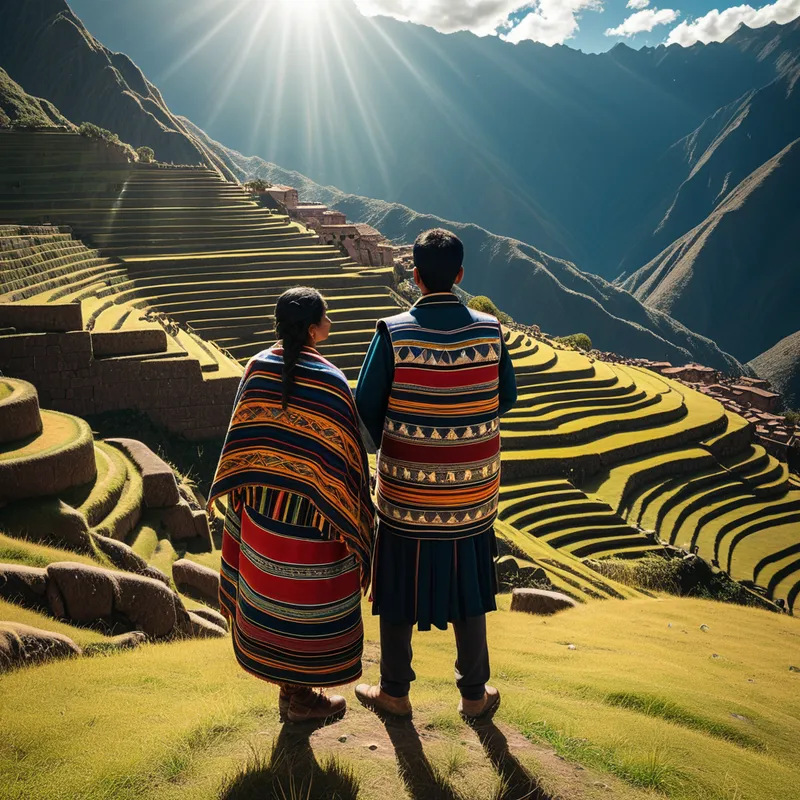
The divine siblings Manco Cápac and Mama Ocllo emerge from Lake Titicaca, guided by a golden staff, to found the sacred navel of the world.
The Tale of The Founding of Cusco
Listen. Before time was counted in suns, when the world was a chaos of stone and shadow, the great Inti wept. His tears fell into the cold, high waters of Lake Titicaca, and from its deep, blue heart, he brought forth his children. They emerged onto [the Island of the Sun](/myths/the-island-of-the-sun “Myth from Incan culture.”/)—not as gods, but as a promise. A man, Manco Cápac, and a woman, Mama Ocllo, clad in garments that drank the light, their very beings an emanation of the sun’s decree.
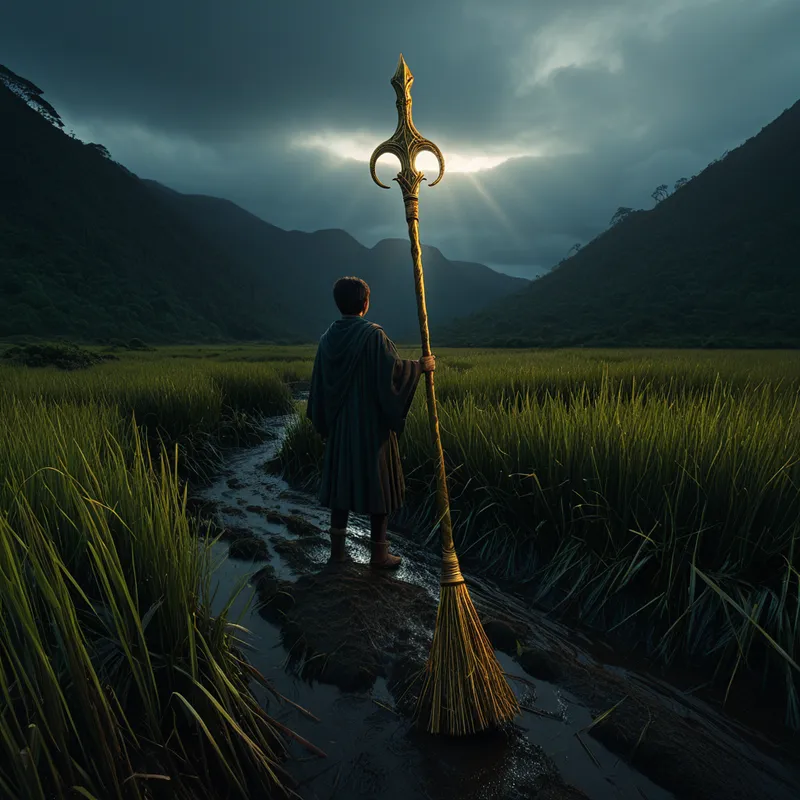
Inti placed into Manco Cápac’s hands a staff of pure gold, the tapac-yauri. “Go,” whispered the wind, which was the voice of the father. “Walk north. Where this staff, thrown with all your strength, disappears into the earth—there you will cease your wanderings. There, you will sink the foundations of a kingdom. You will teach men to worship the sun, to weave, to sow. You will teach women to spin, to keep the hearth, to shape the clay of life. From that spot, order will flow like a river, and the world will have its navel.”
And so they walked. The high plains were a brutal poem of wind and rock. They descended into deep valleys where the air grew thick and green. In every place, Manco Cápac would drive the golden staff into the ground. But the earth was stubborn, or shallow, or stony; the staff would not submit, would not be swallowed. They were pilgrims in a land asleep, carrying the seed of a world within a rod of light.
Their journey was a long testing. Until one day, weary to the bone, they came to a high plateau encircled by protective mountains. Below lay a fertile valley, cradled like a cupped hand. A river snaked through it. Manco Cápac, with the last of his divine strength, raised the tapac-yauri and plunged it downward. It did not strike stone. It did not wobble. It sank, deep, deep, deep into the rich, dark soil—and vanished entirely.
The earth accepted the offering. It drank the golden light. In that moment, the sun broke over the peak of Huanacauri, bathing the valley in a glory that felt like the first morning. Here. This was the place. Qosqo. From this point, Manco Cápac and Mama Ocllo began to build, not just a city, but a cosmos—laying the first stone, drawing the first boundary, teaching the people who gathered the sacred laws. The wilderness yielded to geometry; chaos bowed to order. The navel of the world was fixed, and from it, the body of the Tawantinsuyu could grow.
Cultural Origins & Context
This foundational narrative, known from the chronicles of Inca Garcilaso de la Vega and others, is more than a simple origin story. It was the sacred charter of the Tawantinsuyu, recited by the amautas (wise teachers) and quipucamayocs (keepers of the knot-records) to legitimize Inca rule. The myth established a divine mandate: the Inca were children of the Sun, their authority literally rooted in the earth itself at the spot chosen by their father’s instrument. It transformed geography into theology; Cusco was not merely a capital but an axis mundi, the cosmological pivot from which order (Tawantinsuyu) flowed into the surrounding chaos. The story served to unify diverse Andean peoples under a common divine origin, sanctify the Inca’s civilizing mission, and provide a template for the ritual measurement and organization of all new territories in the empire’s expansion.
Symbolic Architecture
At its core, the myth is a profound [allegory](/symbols/allegory “Symbol: A narrative device where characters, events, or settings represent abstract ideas or moral qualities, conveying deeper meanings through symbolic storytelling.”/) for the imposition of conscious order upon the unconscious [matrix](/symbols/matrix “Symbol: A dream symbol representing the fundamental structure of reality, consciousness, or the self. It often signifies feelings of being trapped, controlled, or questioning the nature of existence.”/) of [life](/symbols/life “Symbol: The symbol of ‘Life’ represents a journey of growth, interconnectedness, and existential meaning, encompassing both the joys and challenges that define human experience.”/). The [journey](/symbols/journey “Symbol: A journey in dreams typically signifies adventure, growth, or a significant life transition.”/) from the watery [depths](/symbols/depths “Symbol: Represents the subconscious, hidden emotions, or foundational aspects of the self, often linked to primal fears or profound truths.”/) of [Lake](/symbols/lake “Symbol: A lake often symbolizes a place of reflection, emotional depth, and the subconscious mind, representing both tranquility and potential turmoil.”/) Titicaca (the primal, undifferentiated [source](/symbols/source “Symbol: The origin point of something, often representing beginnings, nourishment, or the fundamental cause behind phenomena.”/)) to the [fertile valley](/symbols/fertile-valley “Symbol: The fertile valley symbolizes abundance, growth, and potential, representing both physical and emotional nourishment.”/) represents the [emergence](/symbols/emergence “Symbol: A process of coming into being, rising from obscurity, or breaking through a barrier, often representing birth, transformation, or revelation.”/) of differentiated [consciousness](/symbols/consciousness “Symbol: Consciousness represents the state of awareness and perception, encompassing thoughts, feelings, and experiences.”/) from the [collective unconscious](/symbols/collective-unconscious “Symbol: The Collective Unconscious refers to the part of the unconscious mind shared among beings of the same species, embodying universal experiences and archetypes.”/).
The golden staff is not a tool of conquest, but a divining rod for the soul’s true center. It seeks not to dominate the earth, but to find the one place where earth and heaven consent to a marriage.
Manco Cápac and Mama Ocllo, the divine pair, embody the necessary duality for creation: the active, penetrating principle (the staff) and the receptive, nurturing principle (the [earth](/symbols/earth “Symbol: The symbol of Earth often represents grounding, stability, and the physical realm, embodying a connection to nature and the innate support it provides.”/)). The staff’s refusal to sink elsewhere signifies that true [foundation](/symbols/foundation “Symbol: A foundation symbolizes the underlying support systems, values, and beliefs that shape one’s life, serving as the bedrock for growth and development.”/) cannot be forced; it must be recognized in a [moment](/symbols/moment “Symbol: The symbol of a ‘moment’ embodies the significance of transient experiences that encapsulate emotional depth or pivotal transformations in life.”/) of mutual [acceptance](/symbols/acceptance “Symbol: The experience of being welcomed, approved, or integrated into a group or situation, often involving validation of one’s identity or actions.”/) between will and world. The founding of Qosqo is thus an act of world-making, mirroring the psychological process of building a stable, centered ego-complex—a conscious “[capital](/symbols/capital “Symbol: A capital city represents the center of power, governance, and national identity, often symbolizing authority, structure, and collective aspirations.”/)” from which one can govern the vast, often wild territories of the inner self.
The Dreamer’s Resonance
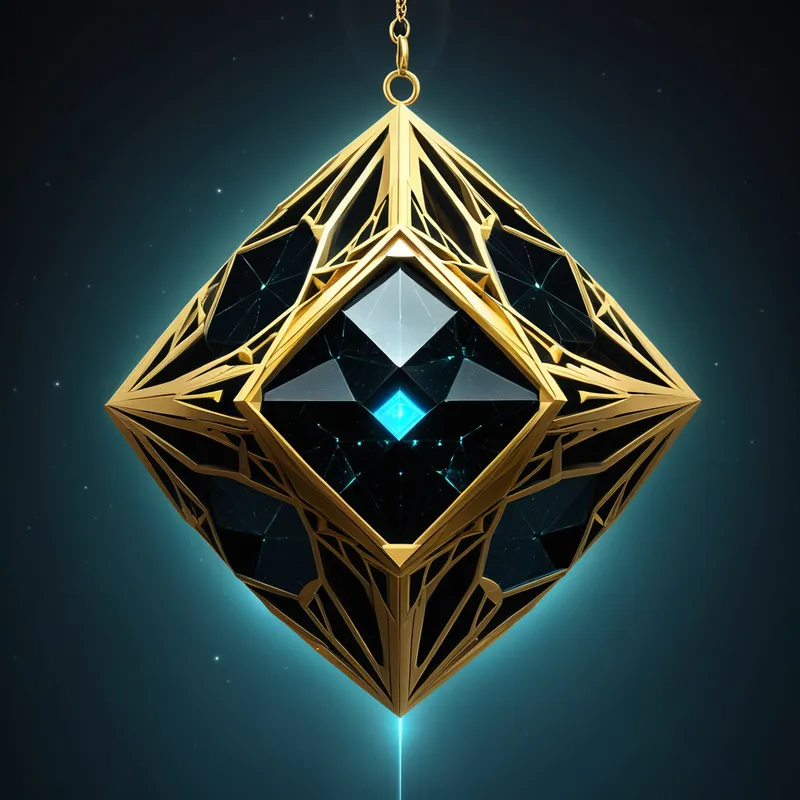
When this myth stirs in the modern psyche, it often manifests in dreams of searching for solid ground. One may dream of holding a precious, fragile object (the tapac-yauri) while wandering through shifting landscapes—endless corridors, melting cities, or swampy terrain. The somatic feeling is one of profound displacement and anxious purpose. The dreamer is in the liminal phase of the journey, bearing the potential for a new life structure (a relationship, career, identity, or creative project) but unable to find where it “fits.” The dream reflects the tension between the inner directive (“found your world”) and the outer reality that has not yet yielded a place for it. It is the psyche’s enactment of the trial, the necessary wandering that precedes authentic settlement.
Alchemical Translation
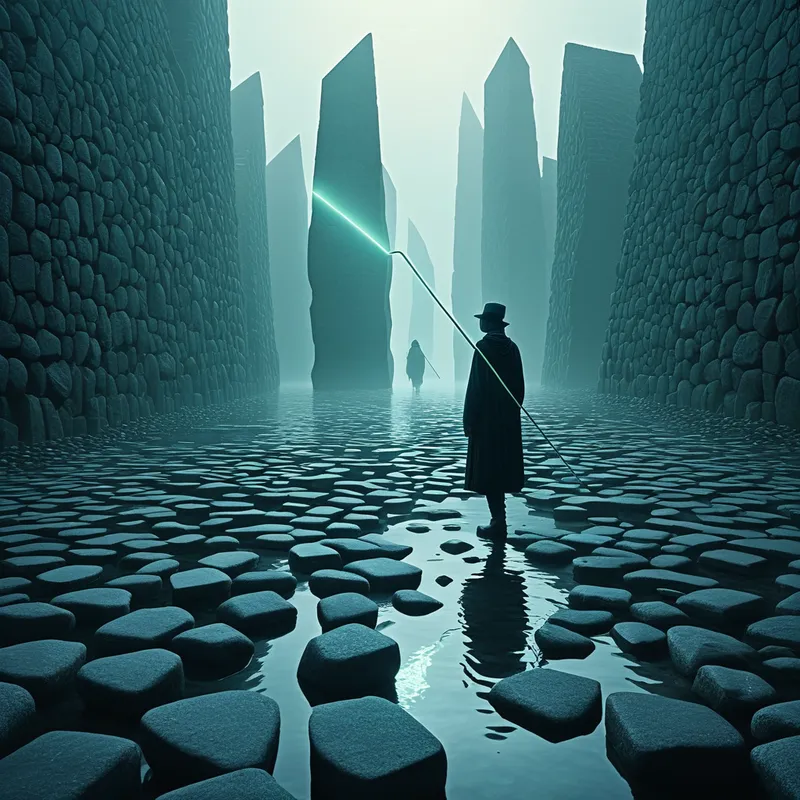
The alchemy here is the transmutation of wandering into dwelling, of potential into foundation. Psychic individuation requires that we carry our own “golden staff”—our unique gift, calling, or core truth—and have the courage to test it against the world. The many failed attempts are not failures, but essential discernments. They teach us where we do not belong, what soils are not deep enough for our roots.
The moment the staff disappears is the moment of coniunctio, the sacred marriage. It is when the ego’s project is surrendered to, and accepted by, the deeper Self. The conscious will dissolves into the fertile unconscious, and from that union, a new center is born.
For the modern individual, “founding your Cusco” means identifying that inner axis mundi—the core truth, value, or practice around which a coherent, purposeful life can be organized. It is the act of stopping the compulsive wanderings of distraction and committing to sink your life-force into the one place that can sustain it, from which you can then ethically engage with your own “four quarters.” The myth models the journey from divine potential to embodied, earthly order—the ultimate human task of building a soul-centered life in the world.
Associated Symbols
Explore related symbols from the CaleaDream lexicon:
- Journey — The long pilgrimage from the sacred source to the destined center, representing the soul’s necessary passage through trials to find its true place.
- Mountain — The sacred peak of Huanacauri and the protective Andes, representing stability, aspiration, and the meeting point between earth and sky.
- Stone — The first foundation stone of Cusco, representing permanence, order, and the act of anchoring spirit into tangible, enduring form.
- Sun — The divine father Inti, whose light grants vision, purpose, and the civilizing order that dispels primal chaos.
- Earth — The receptive, fertile valley that accepts the golden staff, symbolizing the unconscious ground of being that must consent to and nurture conscious structure.
- River — The waterway that shaped the valley of Cusco, representing the flow of life, time, and nourishment that emanates from a settled, sacred center.
- Order — The cosmic and social harmony (Tawantinsuyu) established from the navel, representing the human impulse to create meaning, structure, and civilization from chaos.
- Destiny — The divine mandate given by Inti, fulfilled in the sinking of the staff, representing the pull of a pre-ordained purpose that guides the hero’s path.
- Gold — The substance of the tapac-yauri, representing divine will, solar consciousness, and the highest, most incorruptible value that seeks embodiment.
- Root — The staff vanishing into the earth, symbolizing the deep anchoring of identity, lineage, and purpose into the foundational layers of the psyche and world.