
The Fale Myth Meaning & Symbolism
A myth of the first house, woven from the world's body, establishing the sacred pattern of cosmos, community, and the self.
The Tale of The Fale
Listen. Before the first canoe cut the sea, before the first fire was kindled on the black sand, there was only the great breath of Ranginui and the damp body of Papatūānuku, locked in a desperate embrace. Their children lived in the cramped, eternal twilight between them. There was no up, no down. No inside, no outside. Only the press of flesh and the sigh of longing.
Among these children was one who dreamed not of separation, but of a different kind of union. This was Tāne. While his siblings plotted to force their parents apart, Tāne walked the damp, curved flesh of his mother. He felt the strength of her bones—the silent mountains. He heard the rhythm of her blood—the hidden springs. He plucked a fiber from her hair, a strand of supple pandanus, and it hummed in his hand.
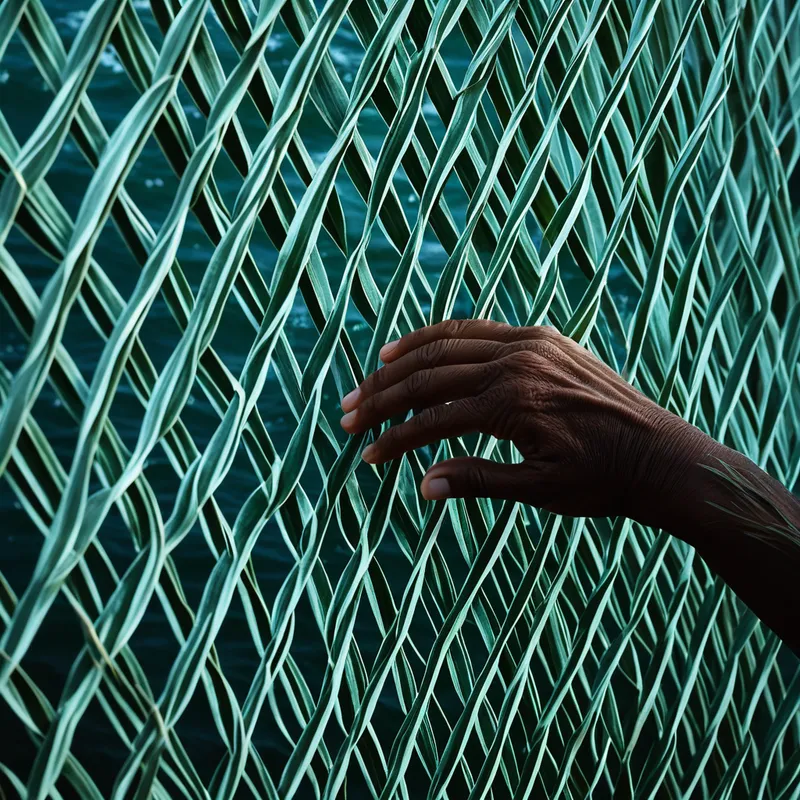
He did not tear his parents asunder. Instead, he began to sing. His song was not one of force, but of invitation. He sang to the bones of the land, and they rose as posts of heartwood, strong and true. He sang to the sinews of the earth, the creeping vines and tough fibers, and they came to him, weaving themselves into a lattice, a basket of air. He sang to the cloak of his father, the sky, and it bent down, allowing itself to be thatched with layers of palm leaf, becoming a roof that was both shield and embrace.
He worked with the rhythm of the tides, the path of the sun. He oriented the open side to the warming light and the life-giving sea, the solid back to the cold, whispering winds of the south. He defined a threshold. He created a where.
And when he was done, he stepped inside. For the first time, a being stood in a space that was neither sky nor earth, but a third thing born of both. The world had an inside. He felt the containment, the safety of the curved walls. He looked out through the open front and saw the world framed, given meaning—the sea was there, the forest was there. The Fale was born. It was not a hiding place. It was the first pattern, the original act of making a world within the World. It was the first heartbeat in the body of the cosmos.
Cultural Origins & Context
This foundational narrative exists in the ancestral memory of the Polynesian world, from the islands of Aotearoa to the archipelagos of Hawaiʻi and Tahiti. It was never a single, frozen text, but a living knowledge carried in the hands of master builders, the tufuga fale, and recited in the cadence of creation chants. The myth was the sacred blueprint, the cosmological justification for every physical house built.
The telling of this story was an act of consecration. Before the first post was sunk into the earth, the lineage of the act would be invoked, connecting the builders and the future inhabitants directly back to Tāne’s primal act. The Fale was more than shelter; it was a microcosm. Its central post, the pou tū ānanga, was the world axis, linking the foundational earth to the heavens. The rafters were the ribs of the cosmos, the thatch its skin. To build and to dwell was to participate in an ongoing ritual of world-making, reinforcing the sacred order, tapu, and the communal life, noa, that flourished within its defined space.
Symbolic Architecture
The Fale is the archetypal vessel. It is not merely a house, but the symbolic container for consciousness itself. In the primal chaos of undifferentiated existence—the eternal embrace of Sky and Earth—the act of raising The Fale is the birth of distinction. It creates the fundamental categories of experience: interior and exterior, self and other, sacred and profane.
The first house is not built from wood and thatch, but from the act of attention itself. It is the psyche erecting a boundary so that a world may be perceived within it.
The curved, organic structure, often without walls, represents a profound understanding of wholeness. It does not reject the outside world but frames it, creates a relationship with it. The open front is the eye of consciousness, facing the known world (the sea, the community), while the solid, closed back protects from the unknown, the unconscious, the elements of chaos. The Fale symbolizes a psyche that is both protected and permeable, centered yet engaged. Its construction from the very body of the world—earth’s bones and sky’s cloak—signifies that our psychological structure is not imposed upon reality, but woven from its fundamental substance. We are not apart from nature; our inner order is a pattern within nature’s greater order.
The Dreamer’s Resonance
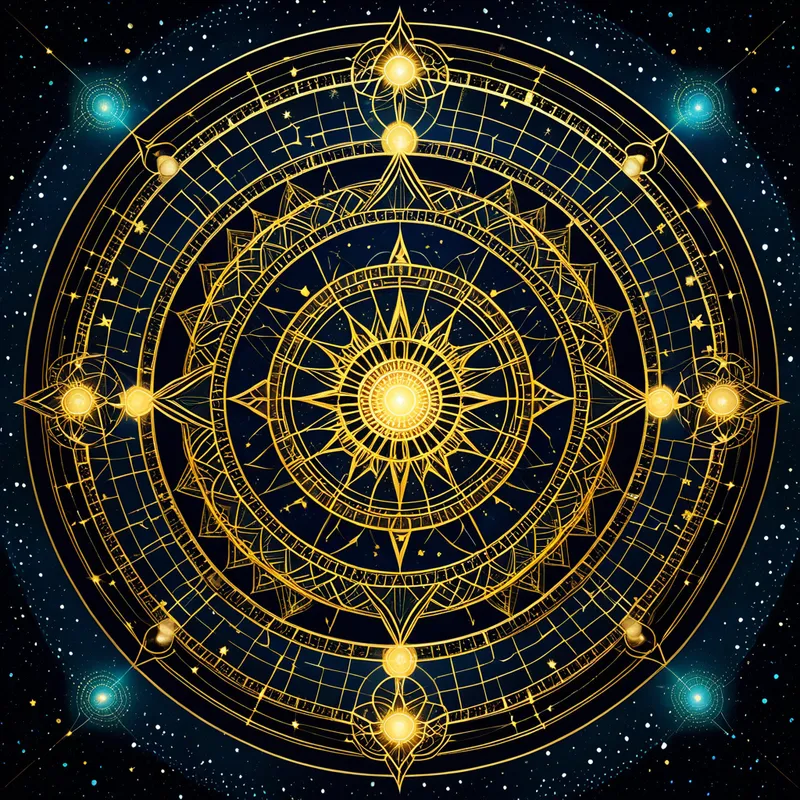
When the symbol of The Fale arises in the modern dreamscape, it seldom appears as a literal Polynesian meeting house. It manifests as the experience of sacred space. One may dream of discovering a perfectly formed, circular room in a familiar house they never knew existed. They may dream of building a shelter from found materials—driftwood, cloth, light—with a profound sense of urgency and rightness. Or they may dream of a structure that is both a womb and a observatory, a place of ultimate safety that offers a clear, panoramic view of a stormy landscape.
These dreams signal a critical phase of psychological integration. The somatic feeling is often one of deep, relieved containment after a period of chaotic exposure or fragmentation. The psyche is actively, instinctively, constructing a temenos—a sacred precinct—within itself. It is the dream-ego participating in the work of Tāne: gathering the disparate, raw materials of one’s life (memories, traits, traumas, talents) and weaving them into a coherent, living structure that can hold consciousness. The dream is an announcement: the dreamer is building, or is ready to build, an inner home from which they can safely engage with the world.
Alchemical Translation
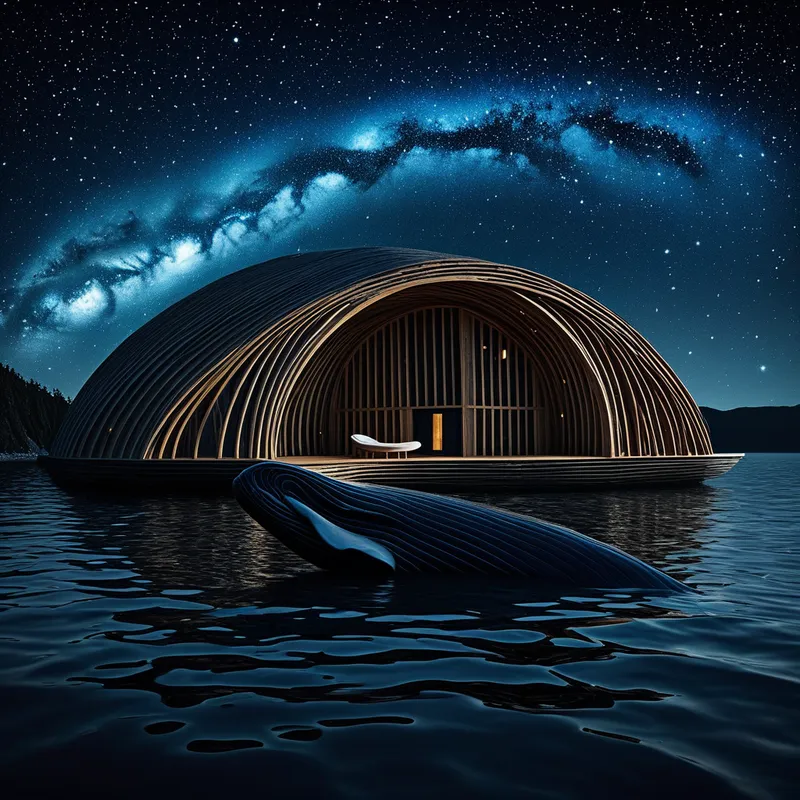
The alchemical journey of individuation is, at its core, the construction of The Fale within the soul. We begin in the massa confusa, the primal, unconscious unity where all opposites are stuck together—our instincts and our ideals, our personal history and the collective forces that shape us. The first, often painful, separation (the pushing apart of Ranginui and Papatūānuku in other myths) creates the space for life, but also the terror of the void.
Tāne’s method offers the next, crucial stage: not mere separation, but sacred fabrication. The alchemist, like Tāne, must go into the body of the world—their own embodied experience, their personal history, their emotional raw material—and draw out the prima materia. The strong, silent post of conviction. The flexible fibers of adaptability. The waterproof thatch of resilience.
Individuation is not about becoming a isolated monument, but about becoming a skilled weaver of context. The Self is not a statue at the center of the house, but the living pattern of the house itself.
The work is one of orientation: turning the open face of the conscious self toward the nourishing light of relationship and purpose, while acknowledging and respectfully fortifying the rear against the winds of distraction, negativity, and the sheer volume of the unconscious. The goal is the lapis philosophorum, the philosopher’s stone, which in this myth is not a stone at all, but a perfected, living structure. It is the achieved, resilient psyche—The Fale of the Self—that provides unshakable inner containment. From this sacred, self-created space, one can host the full spectrum of human experience without being destroyed by it, able to look out upon the vast ocean of being and say, “Here, from this place I have woven, I meet you.”
Associated Symbols
Explore related symbols from the CaleaDream lexicon: