
The Cestus of Aphrodite Myth Meaning & Symbolism
The myth of Aphrodite's magical girdle, a divine artifact that compels irresistible desire, weaving together themes of primal allure and the power of enchantment.
The Tale of The Cestus of Aphrodite
Hear now of the weave that binds the cosmos, the secret held at the hip of the foam-born one. Before the walls of Troy, the air was thick not just with dust and the promise of bronze, but with a deeper, more ancient war—a war of wills among the gods themselves. Hera, her heart a cold forge of resentment, looked upon the battlefield and saw not heroes, but her husband’s infidelities mirrored in the conflict. Her plan was not one of thunder or earthquake, but of a subtler, more devastating power. She needed the one weapon that could turn the tide of any conflict, divine or mortal: the primal force of Eros itself.
She turned her steps not to Olympus, but to the fragrant isle of Cyprus, to the sanctuary of her rival, her daughter-in-law, the one whose very existence was a challenge to her ordered realm. There, in a bower where the air hummed with the scent of myrtle and salt, she found Aphrodite. The goddess was at her toilette, attended by the Charites. Her beauty was a palpable [thing](/myths/thing “Myth from Norse culture.”/), a warmth on the skin, a catch in the breath. But Hera’s eyes went not to the perfect face, but to the glint at her waist.
It was a girdle, a cestus, but no mere adornment. Woven into its fabric were all the secret languages of desire: the whisper of a first glance, the heat of a stolen touch, the compelling madness that makes kings forget their thrones. It held [Philotes](/myths/philotes “Myth from Greek culture.”/) (love), Himeros (longing), and the sweet, persuasive deceit of Pitho. This was the source, the concentrated essence of Aphrodite’s domain.
“Daughter,” Hera began, her voice honeyed, a mask over steel. “A quarrel divides Okeanos and [Tethys](/myths/tethys “Myth from Greek culture.”/), who raised me. I must go to reconcile them. Lend me your girdle, that I might appear in all fostering kindness and soften their hearts.”
Aphrodite, whose wisdom was of the body and the heart, not of strategy, did not see the lie. Perhaps she smiled inwardly, pleased that the proud Queen of Heaven would come to her, the youngest, for the ultimate aid. With a gesture both casual and profound, she loosened the cestus from her waist. The very air in the bower seemed to dim slightly, as if a fundamental star had been temporarily veiled. She placed the woven spell into Hera’s waiting hands. “Take it,” she said. “Surely you need it for such a work.”
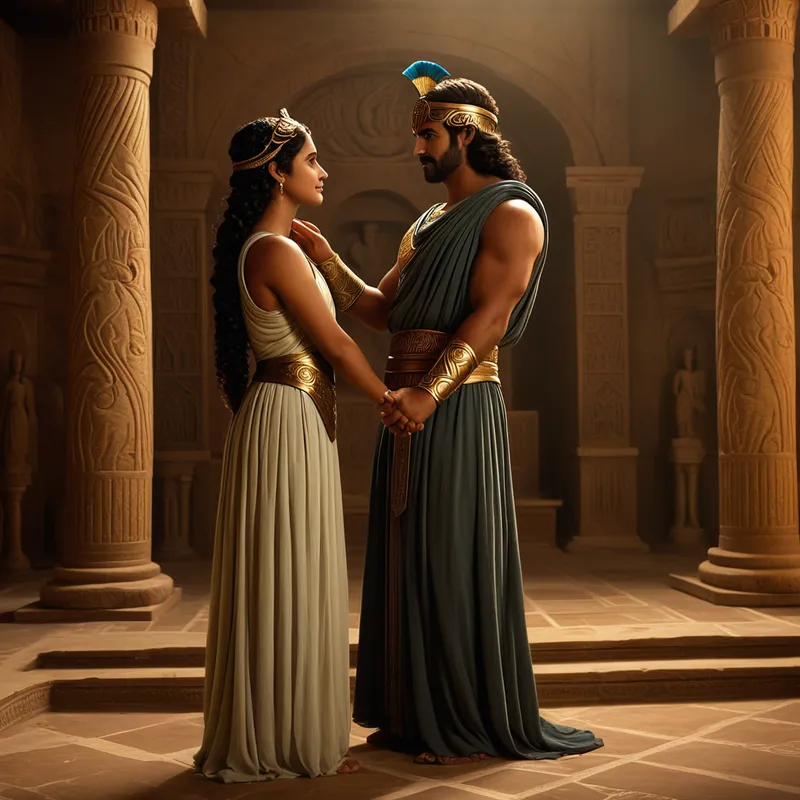
And so the power passed from one to the other. Hera departed, not for the halls of Okeanos, but for the peak of Ida. There, anointing herself with ambrosia and cloaking herself in the very cestus, she became not a diplomat, but the ultimate enchantress. She sought out Zeus, who sat apart, watching the mortal strife. Wrapped in the cestus’s aura, her beauty was no longer that of a wife or queen, but an overwhelming, cosmic force. It was the beauty of the first dawn, of life itself insisting on being. Zeus, the cloud-gatherer, the unshakeable, felt the ancient fire rekindled. [The world](/myths/the-world “Myth from Tarot culture.”/) of plans and thunders fell away, lost in the golden net cast by the girdle. The war, for a timeless moment, was forgotten, as desire wove its own reality, proving that the most potent power in heaven or earth is not force, but fascination.
Cultural Origins & Context
The myth of the Cestus is primarily woven into the fabric of the Iliad, [Homer](/myths/homer “Myth from Greek culture.”/)’s epic of [the Trojan War](/myths/the-trojan-war “Myth from Greek culture.”/). In Book XIV, amidst the grand narratives of heroic arete and tragic fate, [Homer](/myths/homer “Myth from Greek culture.”/) pauses to detail this intimate transaction of divine power. Its function is multifaceted. On a narrative level, it provides a divine mechanism for distracting Zeus, allowing the pro-Greek gods to intervene in the battle below. Yet its significance runs deeper.
The story was not a standalone folktale but an integral part of a complex theological understanding. It personified and localized the abstract, terrifying power of Aphrodite into a tangible artifact. In a culture where gods were deeply immanent, capable of being influenced, the Cestus represented a concrete symbol of that influence—a “technology” of enchantment. It acknowledged that desire (eros) was not a mild emotion but a foundational, disruptive, and creative force, as potent as Ares’ spear or Zeus’s bolt. The myth served as a cautionary and explanatory tale about the nature of power: even the highest authority is susceptible to the oldest magic.
Symbolic Architecture
The Cestus is far more than a magical accessory; it is the symbolic container for the entire archetypal field of attraction, [connection](/symbols/connection “Symbol: Connection symbolizes relationships, communication, and bonds among individuals.”/), and generative desire.
The Cestus represents the prima materia of relationship—the raw, unmediated force of attraction that exists before story, before contract, before reason.
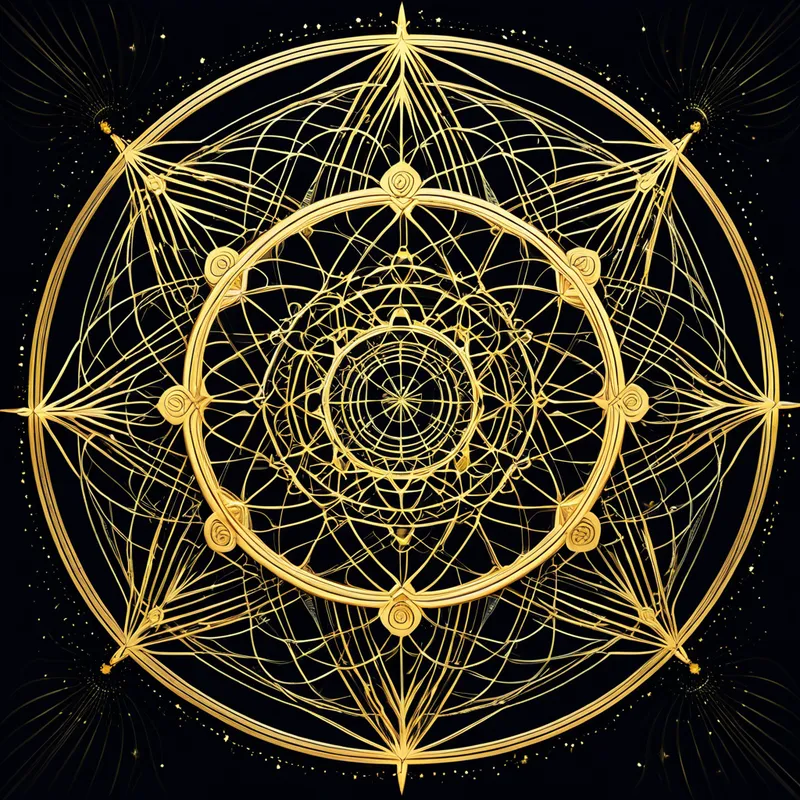
Psychologically, it symbolizes the innate, often unconscious, power of the [anima](/symbols/anima “Symbol: The feminine archetype within the male unconscious, representing soul, creativity, and connection to the inner world.”/) or [animus](/symbols/animus “Symbol: In Jungian psychology, the masculine inner personality in a woman’s unconscious, representing logic, action, and spiritual guidance.”/) to enchant and compel. It is not love as commitment (agape or philia), but love as magnetic pull (eros). Aphrodite’s willingness to lend it signifies how this power can be externalized, projected onto others, or used as a [currency](/symbols/currency “Symbol: Currency represents value exchange, personal worth, and societal power dynamics. It symbolizes resources, control, and the abstract systems governing human interaction.”/). Hera’s use of it reveals that this primal force can be harnessed by the conscious mind (the [Queen](/symbols/queen “Symbol: A queen represents authority, power, nurturing, and femininity, often embodying leadership and responsibility.”/), the [persona](/symbols/persona “Symbol: The social mask or outward identity one presents to the world, often concealing the true self.”/) of order and [marriage](/symbols/marriage “Symbol: Marriage symbolizes commitment, partnership, and the merging of two identities, often reflecting one’s feelings about relationships and social obligations.”/)) for strategic ends, yet in doing so, she herself is transformed by it. Zeus’s submission shows that no [structure](/symbols/structure “Symbol: Structure in dreams often symbolizes stability, organization, and the framework of one’s life, reflecting how one perceives their environment and personal life.”/) of ego or [authority](/symbols/authority “Symbol: A symbol representing power structures, rules, and control, often reflecting one’s relationship with societal or personal governance.”/) is immune to its call. The Cestus, therefore, is the [symbol](/symbols/symbol “Symbol: A symbol can represent an idea, concept, or belief, serving as a powerful tool for communication and understanding.”/) of the autonomous psychic force that can bypass the will, enchanting both the holder and the target.
The Dreamer’s Resonance
When this myth pattern stirs in the modern dreamer, it signals a profound engagement with the psychology of attraction and personal magnetism. To dream of finding or wearing such a girdle suggests an awakening to one’s own inherent power of allure, charisma, or creative fertility. It is a somatic signal of the Self activating a dormant capacity to connect and attract what is needed for the next stage of life.
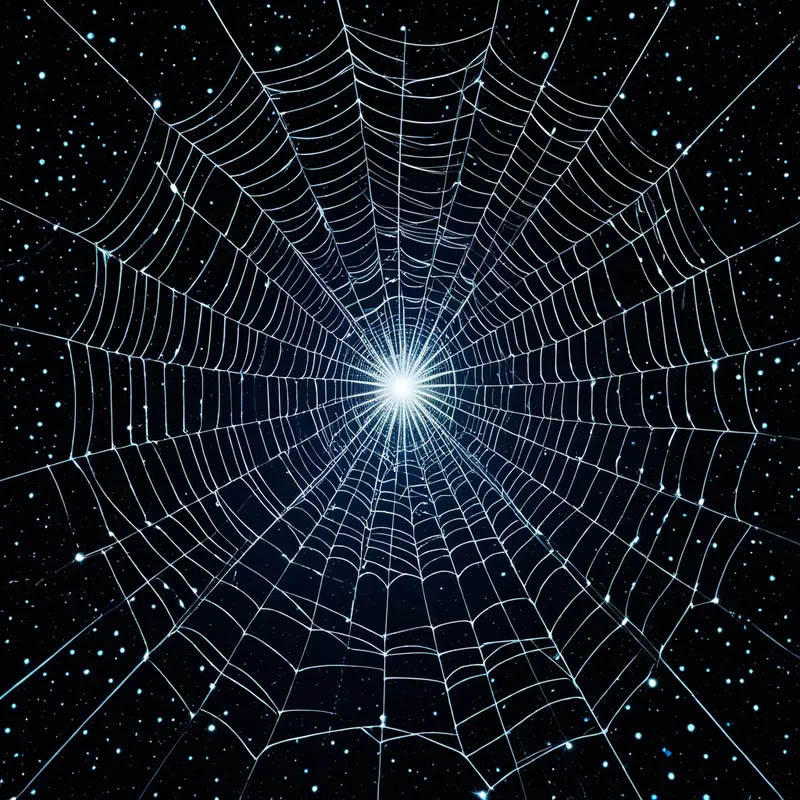
Conversely, dreaming of losing the Cestus, or having it stolen, often accompanies feelings of invisibility, a loss of libido (in its broadest sense as life energy), or a fear that one’s core attractiveness—be it physical, intellectual, or spiritual—has been depleted or appropriated by another. The dream may manifest as a search for a lost, intricately patterned object, or a feeling of being wrapped in or entrapped by a beautiful yet confining web of light or thread. These dreams point to a process of reconciling with one’s own desirability and understanding that this power is an intrinsic part of the [psyche](/myths/psyche “Myth from Greek culture.”/), not an external tool that can be permanently given away.
Alchemical Translation
The journey of the Cestus models a critical phase of psychic transmutation: the conscious integration of the power of eros into the structure of the personality. The initial state is one of identification: Aphrodite is the Cestus; the individual is identified with their unconscious, instinctual power of attraction, often wielding it naively or impulsively.
Individuation requires that we, like Hera, consciously ask for and take up this power from the unconscious, not to manipulate like a goddess on Ida, but to heal the inner marriage of opposites.
“Lending” the girdle represents the necessary separation of [the ego](/myths/the-ego “Myth from Jungian culture.”/) from the identification with the archetype. This is the [separatio](/myths/separatio “Myth from Alchemical culture.”/) of alchemy. Hera’s strategic use symbolizes the coagulatio—the “making solid” of this fluid, unconscious energy into a conscious tool for a specific purpose: in the myth, to reconcile a quarrel (an inner conflict). Zeus’s enchantment is the coniunctio—[the sacred marriage](/myths/the-sacred-marriage “Myth from Various culture.”/) ignited within by this reclaimed energy. The power that was “out there” (in Aphrodite, in the Other) is now recognized as an inner force that can captivate one’s own rigid, ruling principles (the inner Zeus) and force a new, more fertile union.
For the modern individual, the alchemy of the Cestus means moving from being passively subject to the tides of attraction and repulsion (Aphrodite’s domain) to consciously holding and directing that life-force (Hera’s act). It is the work of claiming one’s own magnetism not for manipulation, but for the profound purpose of deepening connection—first within [the self](/myths/the-self “Myth from Jungian culture.”/), and then with the world. We must all learn to wear our own cestus, knowing it is woven from the very threads of our soul’s deepest longing and capacity to fascinate and be fascinated by life itself.
Associated Symbols
Explore related symbols from the CaleaDream lexicon: