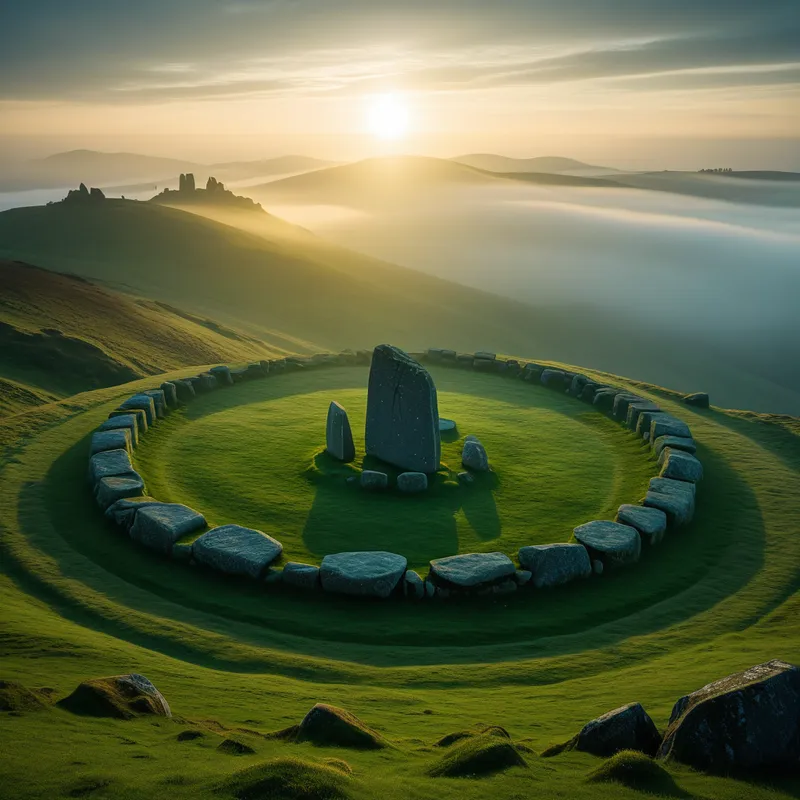
Stone Circles Myth Meaning & Symbolism
A tale of giants, gods, and druids where the land itself is woven into a sacred circle, binding the heavens to the earth through sacrifice and song.
The Tale of Stone Circles
Listen. The wind that sighs through the grass on the high hill carries an older song. Before the fields were tamed, when the world was raw and the gods walked close, the land was restless. The Fir Bolg and the Tuatha Dé Danann had battled, and their power had seeped into the soil, making it tremble. The seasons bled into one another; the sun hesitated at the horizon, and the moon wandered lost in the sky. The world was out of joint.
The people cried to the Druids, the keepers of the deep patterns. An elder, her eyes the colour of a winter lake, climbed the tallest tor. She fasted for three days, drinking only dew, until the veil thinned. She saw not with her eyes, but with her bones. She saw the genius loci of the hill—a slumbering giant of earth and stone—and the shimmering paths of the stars, tangled and frayed like a dropped loom.
“The land dreams of the sky,” she whispered, her voice a dry leaf rustle. “But the dream is broken. The threads are cut. We must weave them anew.”
She descended and spoke the vision. To mend the world, they must build a loom of stone. Not a fortress, not a tomb, but a pattern. A circle, for the sun’s wheel. A circle, for the endless turn of time. They must choose stones that remembered the heart of the mountain, and with great toil, bring them to the high place.
For years, the people laboured. They sang songs of leverage and balance, their breath steaming in the cold air. They felt the resistance of the earth, the stubborn will of the stone. The giant of the hill stirred in its sleep, granting passage to some stones, holding others fast. It was a negotiation with the land itself.
Finally, the circle stood, but it was silent. A ring of cold teeth against the sky. The pattern was made, but the power was not woven. The elder knew the final thread. The Druids gathered at the centre, at the cromlech. As the sun touched the exact notch in the distant hills on the longest day, the elder raised her hands. She did not command. She offered. She offered her own breath, her life’s memory, the collective hope of her people—not to the stones, but through them.
A sacrifice of connection, not of blood.
A hum rose from the earth, deep and resonant. The stones began to sing. A low, thrumming chord that vibrated in the chest. The light changed, thickening between the monoliths. The ghostly forms of the Dé Danann and the essence of the hill-giant appeared, not as foes, but as dancers in a slow, eternal reel. They stepped from stone to stone, weaving celestial light with terrestrial shadow. The sun’s path snapped into clarity. The moon found her rhythm. The circle was no longer just stone; it was a stitch in the fabric of reality, a knot tying the earthly to the eternal.
And so it remained. A testament not to domination, but to a sacred agreement. A place where the world breathes in time.
Cultural Origins & Context
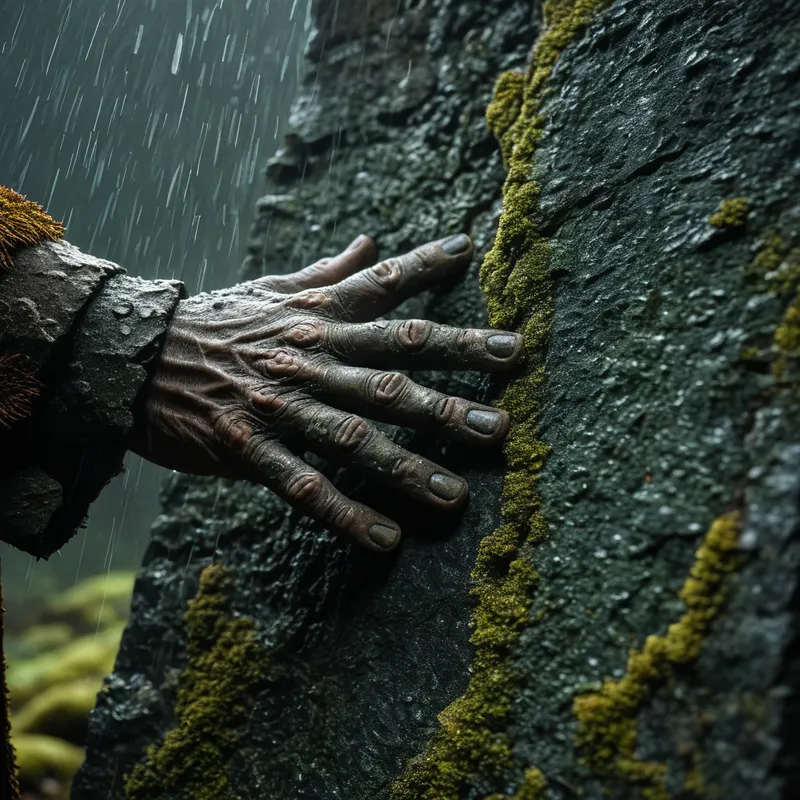
The “myth” of the stone circles, as we might conceive it, is not a single narrative from a dusty tome. It is a palimpsest written by time, weather, and silence. The Celtic cultures—spanning from Ireland to Gaul—did not leave written records of their sacred stories. The circles themselves, like Stonehenge (though pre-Celtic in origin) or the myriad rings of the British Isles, are the primary text.
The myth was lived, not merely told. It was enacted by the Druidic class, who served as the intermediaries between the human tribe, the spirit of the land (numina), and the cosmic order. The stories explaining these awe-inspiring structures were likely embedded in local lore, genealogies, and seasonal rituals. They were passed down in the oral tradition, a secret and sacred knowledge that tied a community to its specific patch of earth. The societal function was profound: the circle was a cosmological anchor. It calibrated the community to the cycles of the sun, moon, and seasons, which dictated planting, harvest, and ceremony. It was a physical manifestation of the Celtic worldview—a world alive with spirit, where harmony was a conscious, continuous act of alignment between the human and the more-than-human.
Symbolic Architecture
The stone circle is a master symbol of the psyche’s longing for wholeness and conscious relation to the vast, often chaotic, forces of nature and the unconscious.
The circle is the first and last pattern. It is the boundary that creates sacred space, the container that makes transformation possible.
The Stones represent the raw, enduring aspects of the Self—the foundational truths, the core complexes, the ancestral memories that are seemingly immovable. They are the “bones of the earth,” the stubborn facts of our existence. The Circle they form is the archetype of totality, the Self as distinct from the ego. It creates a temenos, a sacred precinct where the ordinary rules of time and space are suspended.
The Act of Alignment—the druid’s offering that “wakes” the circle—symbolizes the essential psychic act: the ego’s conscious effort to relate to the larger Self and the archetypal forces (the gods/giants). It is not about controlling these forces, but about establishing a dialogue, a resonant frequency. The conflict of the wild, unaligned land is the psyche in a state of inner conflict, where unconscious contents drive behaviour chaotically. The completed, activated circle is the individuated psyche: ordered, connected, and serving as a conduit between the personal and the transpersonal, the earthly instincts and the spiritual heights.
The Dreamer’s Resonance
To dream of a stone circle is to encounter the psyche’s own foundational architecture. It often appears during life transitions, when old structures are crumbling, and a new, more authentic ordering of the self is needed.
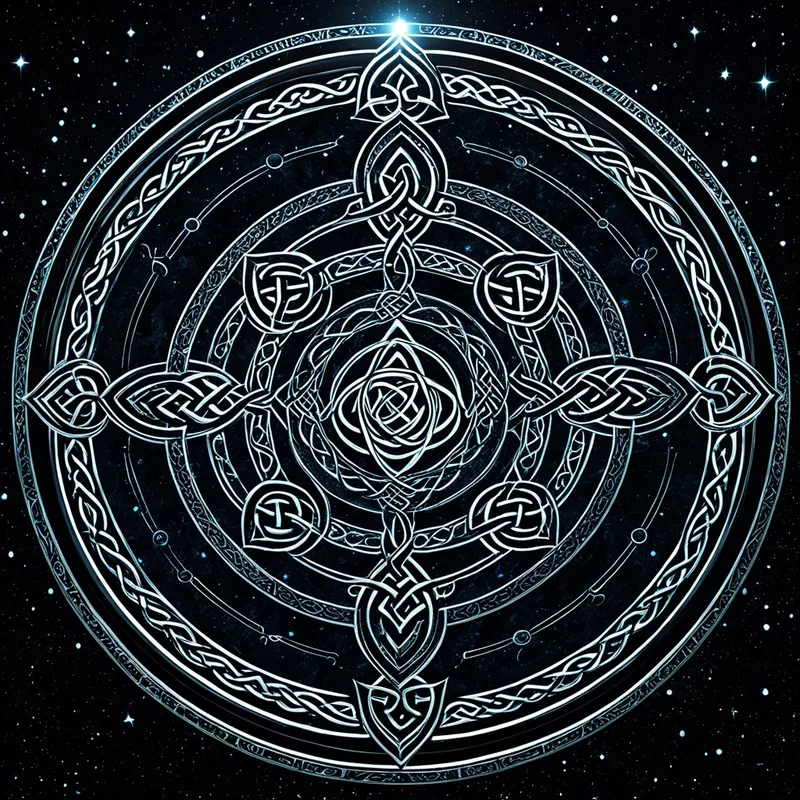
The somatic feeling is crucial. One may dream of trying to build a circle, struggling with heavy, unshaped stones—this speaks to the arduous early work of self-examination, trying to bring unconscious material (the stones) into a coherent form. A dream of entering a complete, humming circle often brings a feeling of profound peace, awe, or sacred dread—a direct experience of the Self. The stones might feel warm, pulsating, or covered in intricate carvings that shift when looked at directly, symbolizing the latent knowledge within the unconscious waiting to be “read.”
If the circle is broken, overgrown, or feels hostile, it indicates a disconnect from one’s core wholeness. The dream is pointing to a need for repair, for a ritual of re-alignment in waking life—perhaps through creative work, therapy, or a conscious re-engagement with one’s values and inner truth. The circle in a dream is the psyche’s altar, and the dream-ego is the druid being called to perform the rite of connection.
Alchemical Translation
The myth models the alchemical opus, the great work of psychic transmutation. The initial state is the prima materia: the chaotic, “un-aligned” land, equivalent to the confused, suffering, or fragmented conscious mind.
The first step is not to change the stone, but to acknowledge its inherent sacredness and bring it into relation.
Calcinatio & Coagulatio (The Labour): The years of dragging stones to the high hill represent the hard, conscious work (calcinatio) of confronting one’s complexes, traumas, and fixed patterns (the heavy stones). Shaping them into a circle is coagulatio—giving form to this raw material, beginning to see the pattern in one’s own life.
Solutio (The Sacrifice): The druid’s offering is the critical solutio—the dissolution of the ego’s illusion of separateness and control. This is the “sacrifice” of our old identity, our insistence on being the sole author of our story. We offer our conscious intention to a process greater than ourselves.
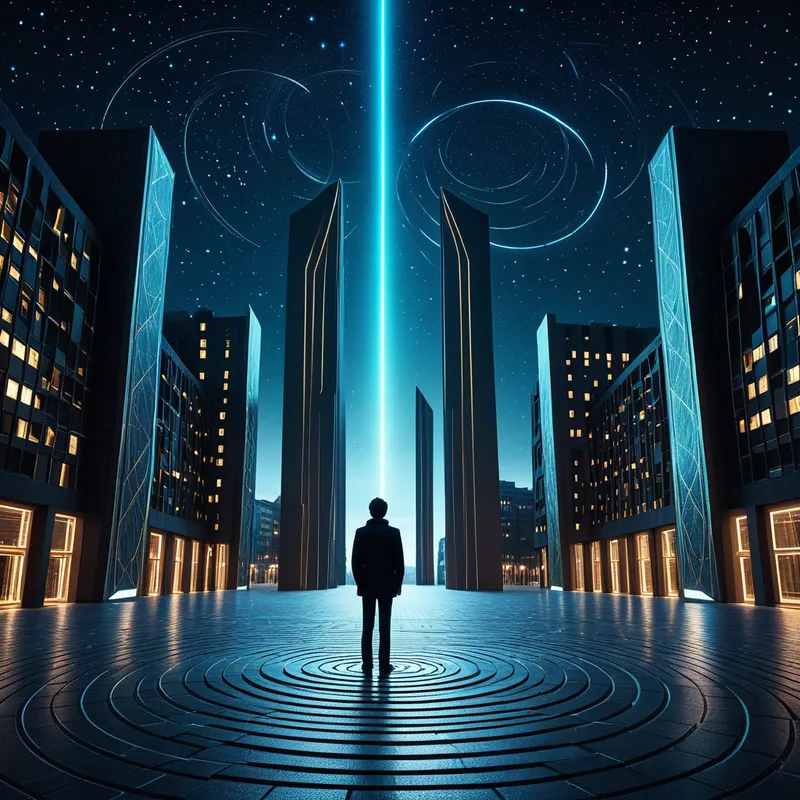
Coniunctio (The Alignment): The moment the circle activates is the coniunctio, the sacred marriage. Here, the opposites are united: earth and sky (body and spirit), Fir Bolg and Tuatha Dé Danann (instinct and image), human and divine. The psyche becomes a vessel for something transcendent. The individual is no longer just a self, but a axis mundi, a world-pillar.
For the modern individual, this translates to the journey of individuation. We gather the scattered, stony aspects of our experience. We arrange them with conscious effort, seeking our own true pattern. And finally, we must make the offering of our egoic will, allowing a deeper, wiser order—the Self—to animate the structure. We become a living stone circle: a grounded, individual being through whom the eternal and the temporal can consciously meet.
Associated Symbols
Explore related symbols from the CaleaDream lexicon: