Sáráhkká Myth Meaning & Symbolism
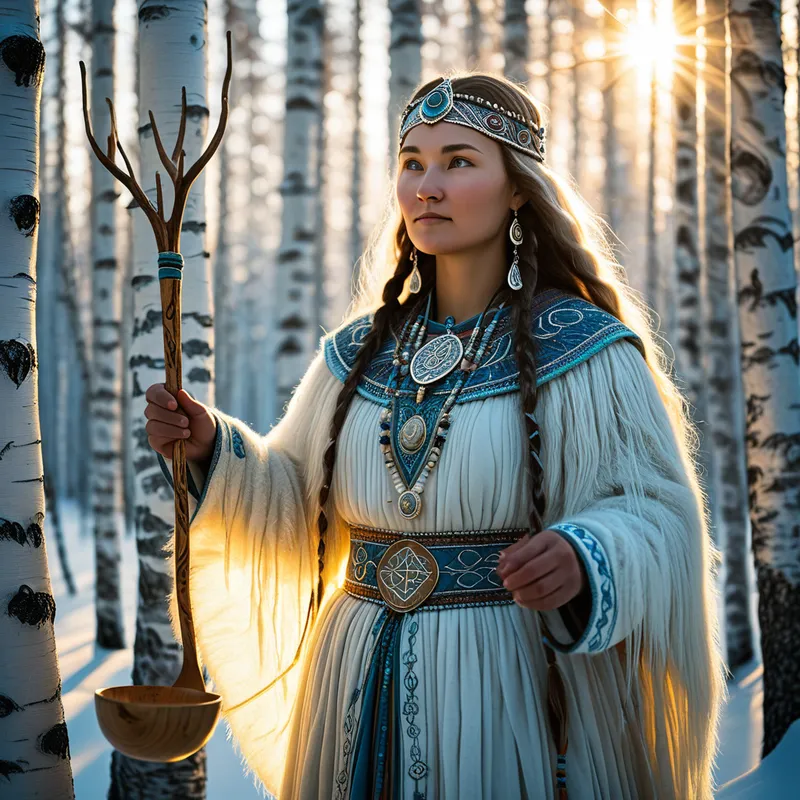
The Sami goddess of birth and women's crafts, who shapes the child in the womb and guides the sacred, perilous journey from spirit into flesh.
The Tale of Sáráhkká
Listen, and let the wind carry you north, to where the world is white and the sun sleeps for months. Here, beneath the shimmering curtain of the Guovssahas, life is a fragile flame against the endless cold. In this world, the most profound mystery is not the star-strewn sky, but the dark, warm space within a woman.
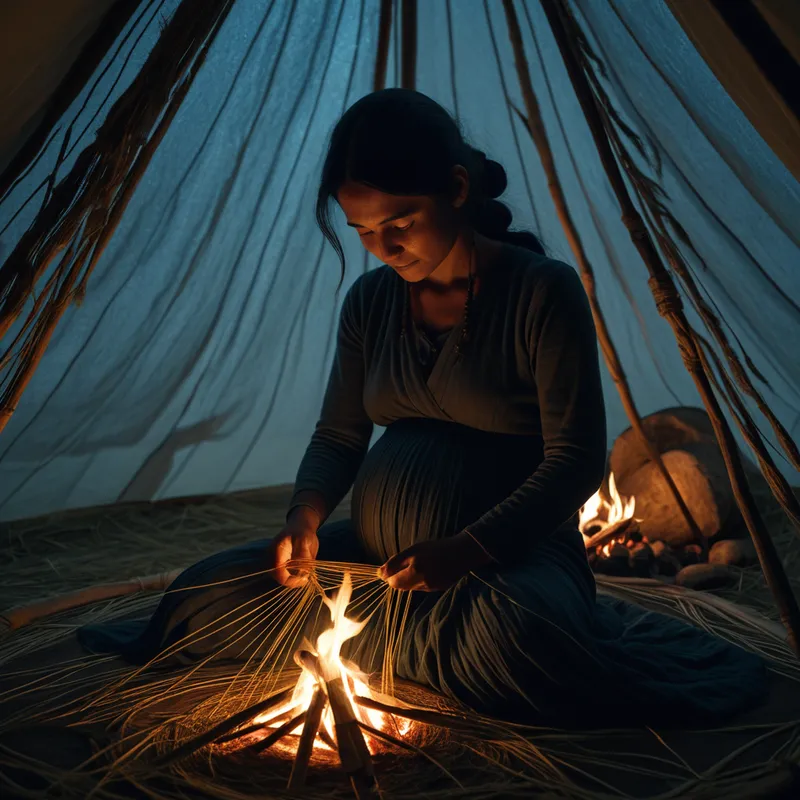
Before a child draws its first breath, it is a spirit, a thought in the mind of the world, drifting in the spaces between the pines. It is Horagalles who thunders the spark of being, but it is Sáráhkká who must catch it. She waits, not in a distant heaven, but in the very heart of the home—by the sacred hearth fire, within the shadows of the lavvu.
When the time ripens, Sáráhkká moves. You do not see her with waking eyes, but you feel her: a sudden warmth on the skin, a scent of birch smoke and tundra bloom in a closed room. She enters the dwelling, her form both woman and elemental force. In her hands, she carries her tools: not weapons, but the instruments of creation—a ladle, a needle, the very threads of fate.
She approaches the mother, whose body has become the universe’s most crucial landscape. With hands that can shape destiny, Sáráhkká gathers the nebulous spirit-child. She does not force it, but invites it, singing a song older than mountains, a lullaby of soil and sinew. She molds the form in the secret dark, bone by tiny bone, weaving the threads of life into a tapestry of flesh, heartbeat, and breath. She is the guardian of the threshold, standing between the void and the world, ensuring the spirit does not flee back into the formless night.
Her work is a silent vigil, a fierce protection against the cold and the unseen things that whisper in the long dark. When the final thread is tied, and the first cry pierces the air, Sáráhkká’s work is not done. She steps back, but remains—a presence in the corner of the eye, a warmth in the tools a woman uses, a knowing in the hands that craft and nurture. She becomes the home itself, the protector of the hearth, the unseen grandmother whose breath steadies the cradle.
Cultural Origins & Context
The myth of Sáráhkká is not a singular story recited in grand halls, but a living presence woven into the daily fabric of traditional Sámi life. She is one of the three Sáivaáhkká, divine sisters who govern the destinies of women. Her narratives were passed down not by professional bards, but by mothers, grandmothers, and noaidi around the hearth, in the intimate spaces of birth and craft.
Her domain was the tangible, sacred center of life: the home and the female body. In a nomadic Arctic culture where survival was precarious, the successful birth and health of children were paramount. Sáráhkká’s myth provided a sacred framework for this biological and social imperative. It transformed the terrifying, painful, and bloody process of childbirth into a divinely guided rite of passage. Rituals honored her: offerings of fat were placed in the fire, the first spoonful of a child’s porridge was given to her, and women’s crafts like sewing were performed with mindful reverence, as these acts were seen as extensions of her creative power. The myth served as both a spiritual comfort and a practical psychology, embedding resilience and sacred meaning into the core of community survival.
Symbolic Architecture
Sáráhkká is the archetypal embodiment of the creative container. She symbolizes the necessary, protected space—physical, psychological, and spiritual—where potential can safely become actual.
The womb is not merely a biological organ, but the primordial metaphor for the sacred vessel where spirit incarnates, where idea becomes form, where the future is nurtured in darkness before it can meet the light.
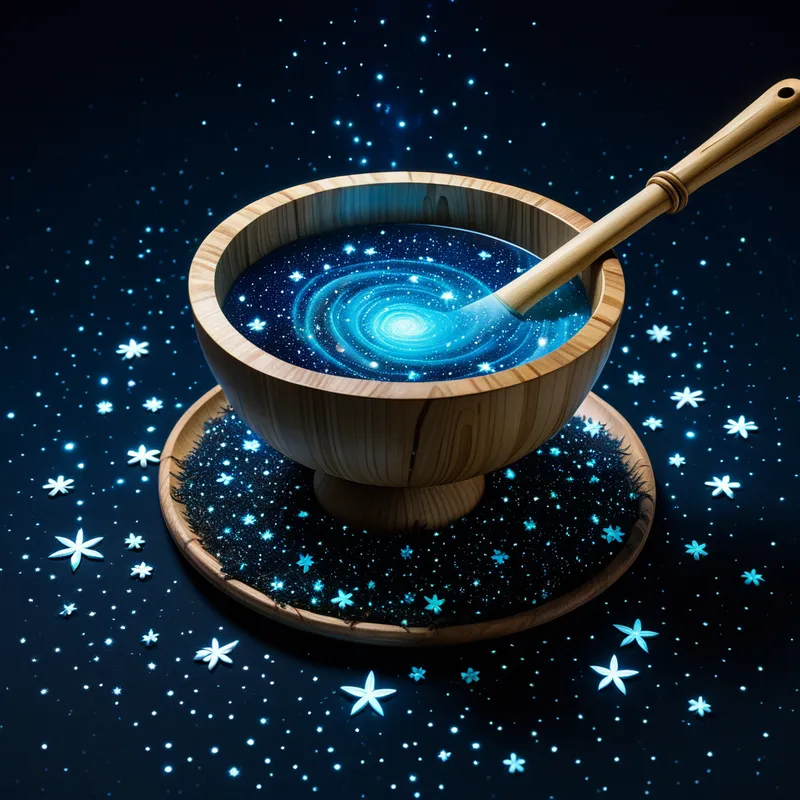
Her ladle is a profound symbol. It is a tool for nourishment, for transferring essence from one vessel to another. Psychologically, it represents the capacity to “ladle out” or give form to the formless contents of the unconscious—to take raw, spiritual potential and carefully shape it into a living psyche. Her association with women’s crafts, particularly sewing, extends this symbolism: she is the one who stitches together the disparate parts of a soul, mending tears in destiny, weaving a coherent identity from the threads of inheritance and experience.
She represents the protective, formative aspect of the Great Mother. Unlike a mother who only comforts, Sáráhkká is a maker. Her power involves focused effort, skillful shaping, and a fierce guardianship that says “this far, and no further” to the forces of chaos and dissolution. She is the psychic faculty that allows an individual to hold an intention, a dream, or a nascent part of the self long enough and safely enough for it to solidify and be born into consciousness.
The Dreamer’s Resonance
When the pattern of Sáráhkká stirs in the modern dreamer, it often signals a profound process of inner gestation. This is not about literal childbirth, but about the birth of something new within the psyche.
Dreams may feature enclosed, warm, dark spaces that feel both protective and tense—a secluded room, a cave, a basement workshop. There may be imagery of crafting, weaving, or cooking with intense focus. The dreamer might be anxiously guarding a precious, fragile object or a small animal, protecting it from cold or shadowy intruders. Alternatively, they may find themselves in the role of the nascent form—feeling unshaped, floating, and awaiting a defining touch.
Somatically, this process can feel like a gathering tension, a creative fullness paired with anxiety. It is the “pregnant pause” before a significant life change: the start of a new career path, the integration of a long-ignored talent, the final consolidation of a therapeutic insight, or the commitment to a vulnerable relationship. The psyche is in its lavvu, working in the sacred dark. The conflict felt is Sáráhkká’s own—the struggle to maintain the container against internal doubts (the spirit fleeing back) and external pressures (the cold).
Alchemical Translation
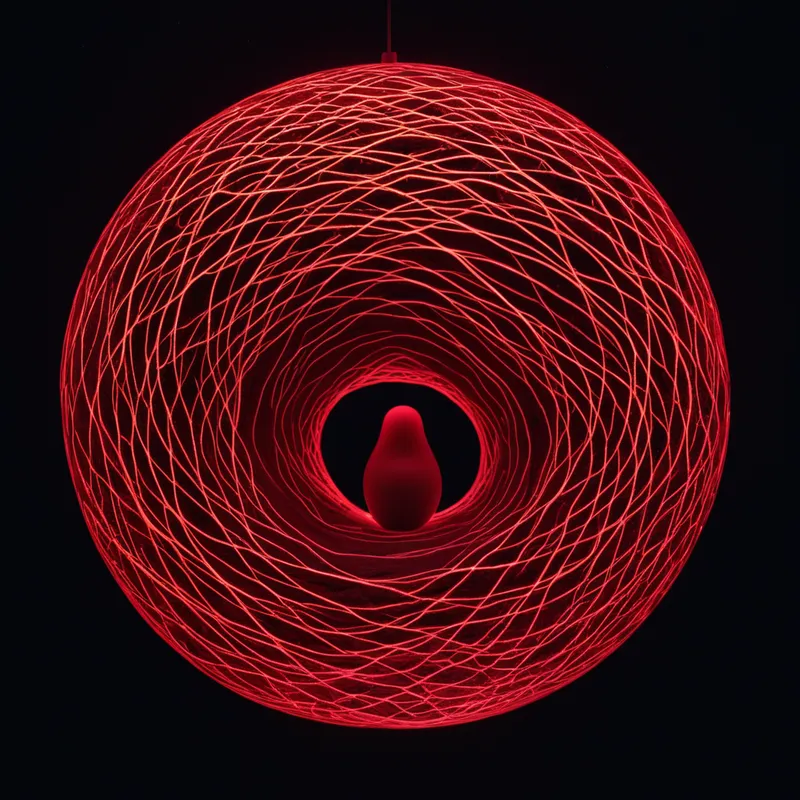
The alchemical journey mirrored in Sáráhkká’s myth is the stage of nigredo-turned-albedo. It is the process of coagulatio—the making solid.
Individuation requires not just the dissolution of the old (the spirit), but the courageous, patient work of giving new shape to what emerges. We must become both the womb and the goddess within it.
For the modern individual, the “Sáráhkká phase” of transformation involves active, careful formation. It is moving from the insight (“I am creative”) to the disciplined practice (actually painting). It is taking the raw emotion from a dream and writing the poem. It is the construction of a new habit, a new boundary, a new way of being, thread by psychic thread. This work demands creating a protected psychological space—through ritual, routine, or therapy—that serves as the lavvu hearth where this inner child, this new potential self, can be shaped.
The triumph is not a heroic slaying, but a successful midwifery of the soul. It is the moment the newly formed aspect of the self draws its first independent breath within the totality of the personality, welcomed and guarded by the now-internalized creative protector. We integrate Sáráhkká when we learn to honor our own periods of gestation, to protect our creative processes with fierce compassion, and to understand that true power often lies not in the brilliant flash of inspiration, but in the steadfast, shadowy work of bringing it, lovingly and skillfully, to life.
Associated Symbols
Explore related symbols from the CaleaDream lexicon: