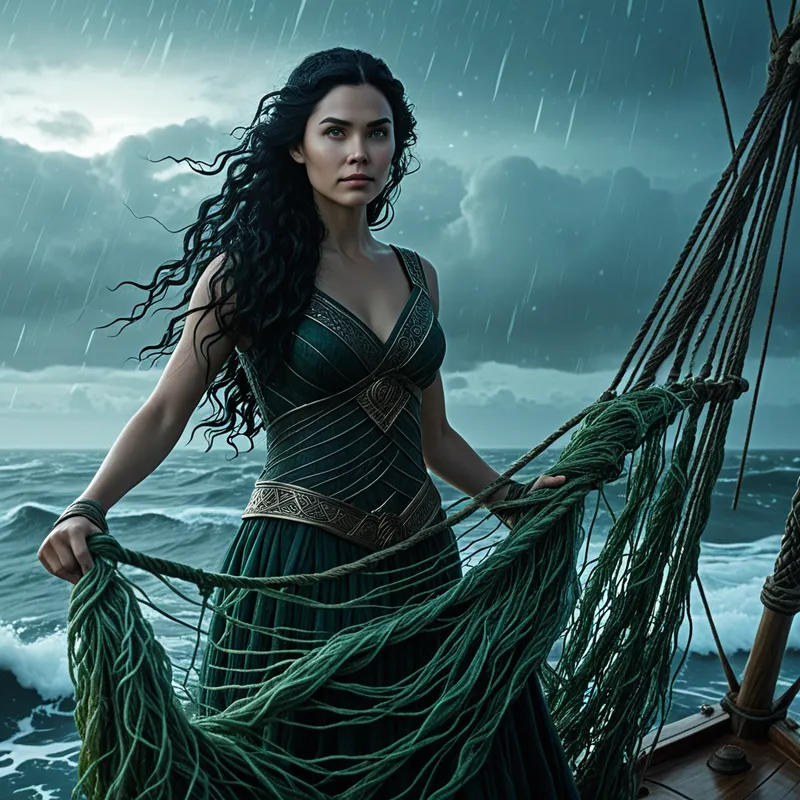
Ran Myth Meaning & Symbolism
The story of Ran, who gathers the drowned in her net to her hall beneath the waves, a myth of the sea's fatal allure and the psyche's depths.
The Tale of Ran
Listen, and hear the whisper of the salt on [the wind](/myths/the-wind “Myth from Various culture.”/). The story is not of the sunlit gods of Asgard, but of the deep, the cold, the endless grey. It begins where the land fails and [the world](/myths/the-world “Myth from Tarot culture.”/) falls away into the [Ginnungagap](/myths/ginnungagap “Myth from Norse culture.”/) of living [water](/myths/water “Myth from Chinese culture.”/).
Her name is Ran. Wife to Ægir, [the sea](/myths/the-sea “Myth from Greek culture.”/) itself. She does not rule the waves; she is their consequence, their final, tender embrace. She dwells not in a hall of gold, but in a hall of coral and memory, lit by the pale, phosphorescent glow of lost things, at the very bottom of all oceans.
Her work is done in the storm’s fury. When the longship groans, when the mast screams and snaps like a bone, when the bravest sailor’s heart turns to cold terror in his chest—that is when she stirs. She does not summon the storm; she awaits it. And in her hands, she carries her net. It is wide, wider than [the horizon](/myths/the-horizon “Myth from Various culture.”/), woven from the foam of a thousand shipwrecks and the shadows of [the abyss](/myths/the-abyss “Myth from Kabbalistic culture.”/).
The men see it only at the last moment. A glimmer beneath the churning black, a lattice of fate rising to meet them. It is not violent, but inevitable. As the sea swallows the ship, her net gathers them. The struggle ceases. The burning lungs fill not with air, but with a strange, accepting calm. She draws them down, past the sinking wreckage, past the realm of fish and [kraken](/myths/kraken “Myth from Norse culture.”/), into the crushing, silent pressure.
Her hall is filled with them. All those who were given to the sea sit at her table. They are her guests, not her prisoners. Their clothes are dry, warmed by a hearth that burns with blue, cold fire. They feast, they tell tales of the world above, and their eyes hold the deep peace of those whose journey is utterly complete. Gold coins, the “ransom” paid by the sea, litter the hall floor, glinting dully—the price of passage, the final toll. Ran receives them all with the same fathomless gaze. In her hall, every story ends with the same word: drowned.
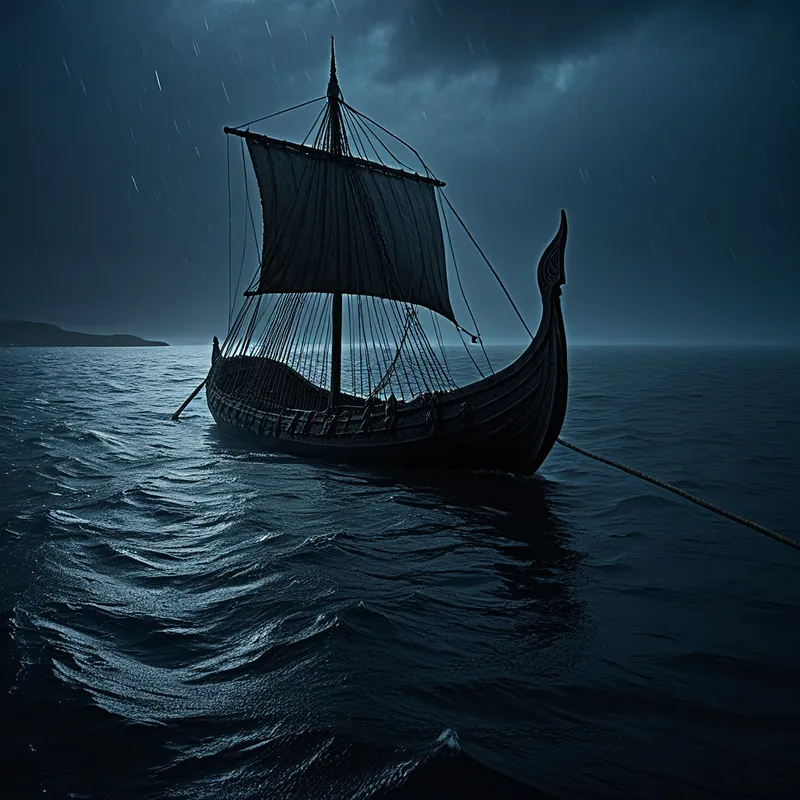
Cultural Origins & Context
The lore of Ran is not found in grand, unified epics, but in the scattered verses of the Poetic Edda and the later Prose Edda. She is a figure of skaldic poetry and seafaring lore, a personification born from direct, brutal experience. For the Norse, the sea was not a metaphor; it was the highway to glory and the mouth of the grave. Every voyage was a gamble with these deep powers.
Her myth was likely told on long winter nights, not to children, but to sailors and their families. It served a crucial, dual function. First, it provided a narrative for the most common and terrifying death in their world—to be lost at sea. Ran offered a form of consolation: your loved one is not simply gone, but received, hosted, given a place in a mysterious order beneath the waves. Second, it explained the necessity of carrying gold on voyages. If you were taken, the gold on your person was a literal weregild, a compensation paid to Ran for taking a life, ensuring perhaps a better reception in her hall. This transformed a random, chaotic tragedy into a transaction, a ritual with rules, however grim.
Symbolic Architecture
Ran is the archetypal face of the unconscious in its totality—not just the personal [shadow](/symbols/shadow “Symbol: The ‘shadow’ embodies the unconscious, repressed aspects of the self and often represents fears or hidden emotions.”/), but the impersonal, collective, and ultimately annihilating [depths](/symbols/depths “Symbol: Represents the subconscious, hidden emotions, or foundational aspects of the self, often linked to primal fears or profound truths.”/) of the [psyche](/myths/psyche “Myth from Greek culture.”/). Her net is the primary [symbol](/symbols/symbol “Symbol: A symbol can represent an idea, concept, or belief, serving as a powerful tool for communication and understanding.”/).
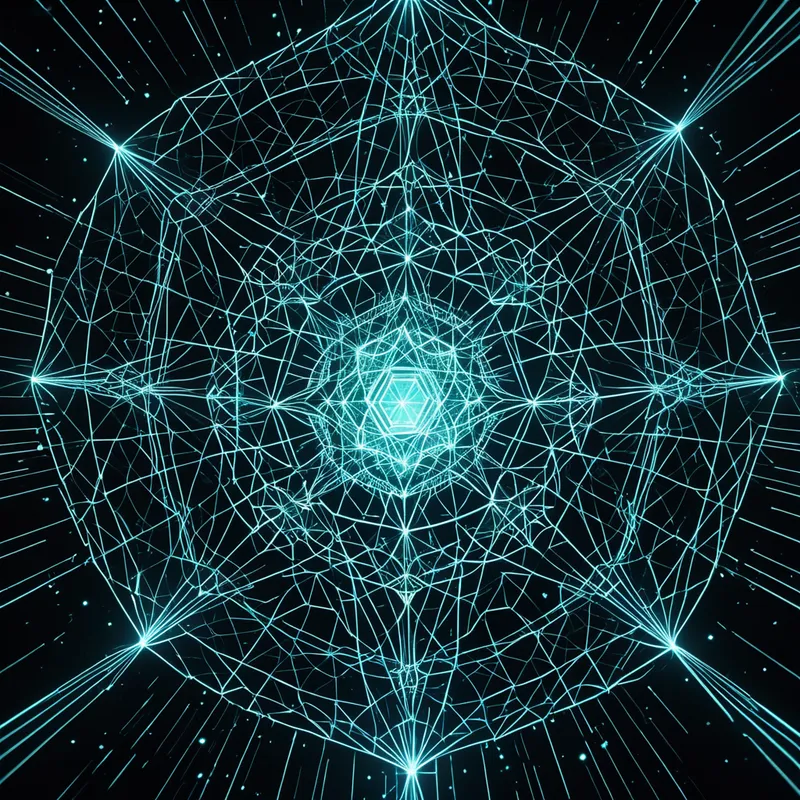
The net does not discriminate; it catches hero and coward, king and thrall. It is the pattern of fate itself, the invisible web of cause, consequence, and circumstance that ultimately ensnares all ego-driven ventures.
The sea she rules is the [realm](/symbols/realm “Symbol: The symbol of ‘Realm’ often signifies the boundaries of one’s consciousness, experiences, or emotional states, suggesting aspects of reality that are either explored or ignored.”/) of [emotion](/symbols/emotion “Symbol: Emotion symbolizes our inner feelings and responses to experiences, often guiding our actions and choices.”/), [memory](/symbols/memory “Symbol: Memory symbolizes the past, lessons learned, and the narratives we construct about our identities.”/), and the primordial soup from which [consciousness](/symbols/consciousness “Symbol: Consciousness represents the state of awareness and perception, encompassing thoughts, feelings, and experiences.”/) emerged. To be “drowned” by Ran is to be utterly overwhelmed by contents of the unconscious—by a depression that feels oceanic, by a [grief](/symbols/grief “Symbol: A profound emotional response to loss, often manifesting as deep sorrow, yearning, and a sense of emptiness.”/) that swallows [identity](/symbols/identity “Symbol: Identity represents the sense of self, encompassing personal beliefs, cultural background, and social roles.”/), by instincts or complexes that pull one under. Her hall, where [the drowned](/myths/the-drowned “Myth from Norse culture.”/) sit content, symbolizes a state of psychic [dissolution](/symbols/dissolution “Symbol: The process of breaking down, dispersing, or losing form, often representing transformation, release, or the end of a state of being.”/) where the individual ego is temporarily dissolved back into the unconscious [matrix](/symbols/matrix “Symbol: A dream symbol representing the fundamental structure of reality, consciousness, or the self. It often signifies feelings of being trapped, controlled, or questioning the nature of existence.”/). It is not hell, but a kind of eerie, passive rest—the [peace](/symbols/peace “Symbol: Peace represents a state of tranquility and harmony, both internally and externally, often reflecting a desire for resolution and serenity in one’s life.”/) of no longer fighting the inevitable.
Ran herself embodies the [anima](/symbols/anima “Symbol: The feminine archetype within the male unconscious, representing soul, creativity, and connection to the inner world.”/) in her most terrible and alluring [aspect](/symbols/aspect “Symbol: A distinct feature, quality, or perspective of something, often representing a partial view of a larger whole.”/): the feminine principle as the devouring [mother](/symbols/mother “Symbol: The symbol of ‘Mother’ represents nurturing, protection, and the foundational aspect of one’s emotional being, often associated with comfort and unconditional love.”/), the [lover](/symbols/lover “Symbol: A lover in dreams often represents intimacy, connection, and the emotional aspects of relationships.”/) whose embrace is [extinction](/symbols/extinction “Symbol: The complete disappearance of a species or concept, representing irreversible endings, loss of legacy, and profound transformation.”/). She is the ultimate fatal attraction, drawing the conscious mind toward its own [source](/symbols/source “Symbol: The origin point of something, often representing beginnings, nourishment, or the fundamental cause behind phenomena.”/), which is also its end.
The Dreamer’s Resonance
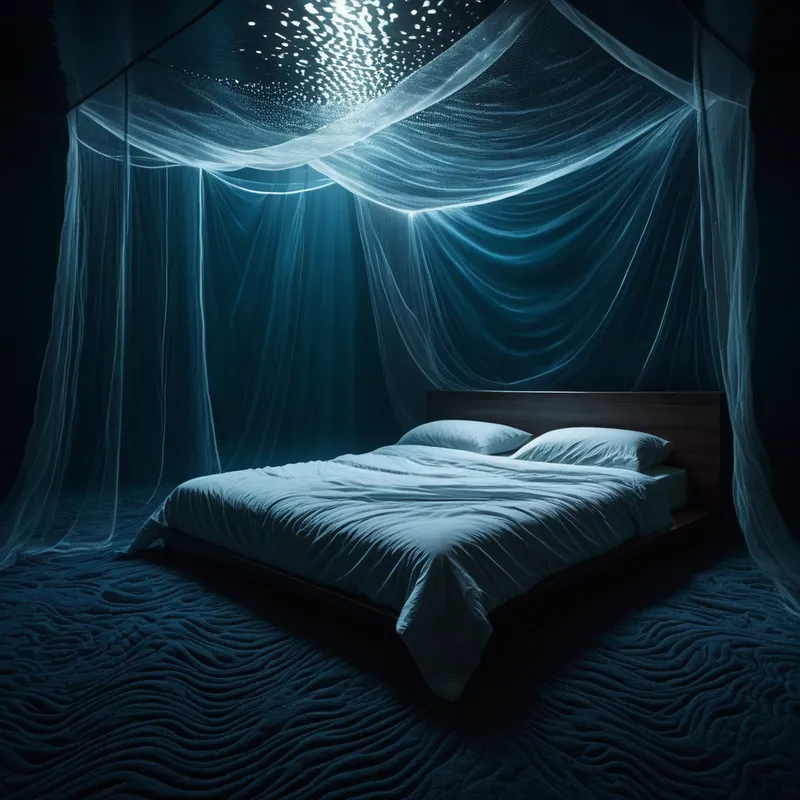
When Ran weaves her way into modern dreams, she rarely appears as a literal goddess. Her presence is felt somatically and symbolically. One may dream of being on a sinking ship, of walking into an ocean that rises to meet them, or of being caught in a vast, soft net that restricts without hurting.
Psychologically, these dreams often signal a process of being “pulled under” by life circumstances or internal processes. It is the feeling of being in over your head at work, drowned in responsibility, or submerged by a relationship. The somatic experience is one of weight, pressure, and a slow, suffocating surrender. The dream ego is not fighting a monster, but succumbing to an environment.
This is the psyche’s enactment of a necessary, if terrifying, surrender. The Ran-dream suggests the conscious attitude is no longer sustainable; it is being called to let go, to stop treading water, and to allow itself to be taken down into the depths of feeling, fatigue, or despair it has been resisting. The dream is a rehearsal for a psychological death—the end of a former way of being.
Alchemical Translation
The alchemical process mirrored in Ran’s myth is [solutio](/myths/solutio “Myth from Alchemical culture.”/)—dissolution. In [the laboratory](/myths/the-laboratory “Myth from Alchemical culture.”/) of the soul, this is the stage where the hardened, fixed elements of the personality (the [prima materia](/myths/prima-materia “Myth from Alchemical culture.”/)) must be dissolved in the aqua permanens, the eternal water, to break down old structures and release their essence.
To be caught in Ran’s net is to undergo a forced but sacred dissolution. The ego, the “ship” of the conscious self, is wrecked so that the passenger within can be transformed.
For modern individuation, this myth models the necessity of periodic psychic drowning. We build identities, careers, and lives—our “longships”—and sail them across the surface of existence. But health requires descent. The process of breakdown, burnout, deep depression, or profound loss is [Ran’s net](/myths/rans-net “Myth from Norse culture.”/) at work. It pulls us under, away from the known world of action and [persona](/myths/persona “Myth from Greek culture.”/), into the hall of the drowned.
In that hall, we are forced to sit with all that we have repressed, ignored, or sacrificed to stay afloat. We feast on our own forgotten memories and unlived lives. This is not a final death, but a [nigredo](/myths/nigredo “Myth from Alchemical culture.”/), the blackening, where the old form is reduced to its core components. The “gold” we must pay is our attachment to the former self. The alchemical [triumph](/myths/triumph “Myth from Roman culture.”/) comes if, from this dissolved state, a new, more fluid consciousness can eventually re-emerge, having been tempered in the deep. One does not conquer Ran; one survives her hospitality, returning to the surface forever changed, carrying the salt of the deep within.
Associated Symbols
Explore related symbols from the CaleaDream lexicon: