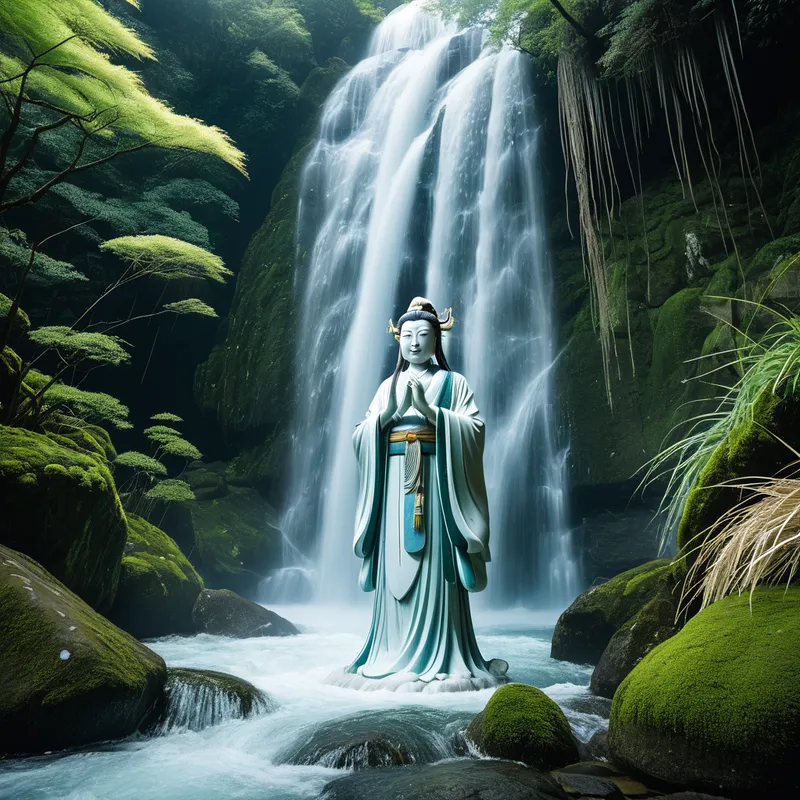
Mizu no Kamisama Myth Meaning & Symbolism
A tale of a divine being of pure water, its descent into the world, and the sacred covenant formed between the spiritual and material realms.
The Tale of Mizu no Kamisama
Listen. In the time before time was counted, when the world was raw stone and whispering wind, the high, silent places of the mountains held their breath. There, in a realm untouched by sun or shadow, dwelled the pure essence of becoming—Mizu no Kamisama. It was not a being as we understand, but a consciousness of flow, a song of clarity sung in the language of springs yet unborn.
From its crystalline abode, it perceived the world below. It saw the cracked earth thirsting, the roots of the great kodama straining for nourishment, the creatures moving with dust on their tongues. A longing stirred within the deity’s liquid heart—a compassion deeper than any chasm. To remain pure and separate was its nature, but to see suffering and not act was a stillness it could not bear.
And so, Mizu no Kamisama made a choice that echoed through the strata of existence. It gathered its essence, its very song, and began a great descent. It did not fall but flowed, weaving itself from vapor into rivulet, from rivulet into stream. It carved its path not with force, but with persistent, gentle patience, singing to the stone until the stone yielded a channel. It traveled through the dark bones of the earth, collecting the secrets of minerals, the whispers of buried roots.
Its arrival in the world of light was not a crash, but an emergence. It burst forth from a mossy mountainside as a spring of shocking, diamond clarity. The water, alive with the deity’s spirit, pooled and then began its journey downward. Where it flowed, the parched earth sighed and drank, turning from gray to rich umber. Seeds long dormant split open, sending green tendrils toward the blessed moisture. Animals came, bowing their heads to drink, and the light in their eyes brightened.
But the world was not all grateful earth. The flowing spirit encountered the plains of humanity—places of noise, of fire, of industry and refuse. Here, the water grew turbid. It was burdened with silt, with the grime of toil, with forgotten things. The pure song within grew faint, muffled by the weight of the world it sought to save. This was the conflict: the sacrifice of purity for the sake of life. The deity’s essence was diluted, spread thin, made common.
Yet, in its lowest point, where the river met the great sea, a miracle of resolution occurred. The people who lived by the water, who depended on its gift, began to understand. They saw the cycle. They learned to honor the source. They established rituals of gratitude, of purification. They built simple shrines of uncut stone at the riverbank, offering prayers and clean tokens. They learned to take only what was needed and to return respect. This reverence became a channel back to the source. The prayers were like rain, evaporating upward, returning to the mountain heart of Mizu no Kamisama. The deity was not diminished but transformed, its essence completed by the circle of giving and receiving. It remained both the pristine source and the life-giving river, forever binding the sacred mountain to the grateful sea in a covenant of continuous, reciprocal flow.
Cultural Origins & Context
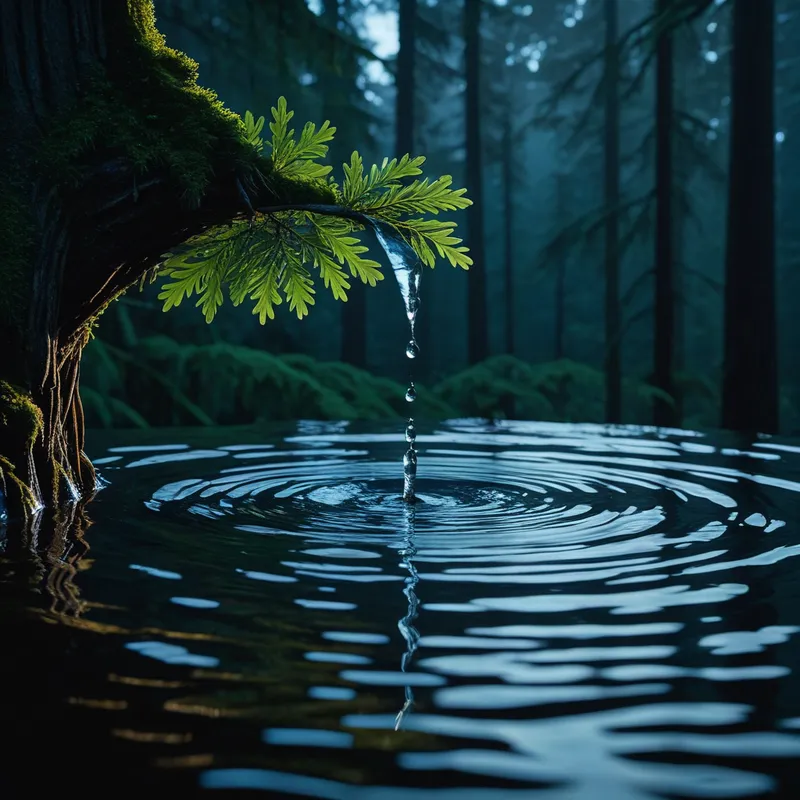
The veneration of water deities is a foundational strand in the tapestry of Japanese spiritual thought, deeply rooted in Shinto. While "Mizu no Kamisama" is not a singular, standardized myth from a canonical text like the Kojiki, it represents a pervasive and ancient archetype. This narrative is a synthesis of countless local legends, folk beliefs, and rituals centered on taki, sacred springs (shōzui), and rivers.
These stories were passed down not by bards in courts, but by village elders, mountain ascetics (yamabushi), and shrine priests. The myth served a crucial societal function: it encoded an ecological and ethical principle. In an agrarian society dependent on rice cultivation, water was literally life. The myth taught that water was not merely a resource, but a conscious, sacred presence (kami) with which one must maintain a respectful relationship. It explained the origin of local water sources and prescribed the rituals—offerings, festivals like misogi—necessary to ensure their continued benevolence. The story was a map of the sacred landscape, making the spiritual interdependence between humans and their environment viscerally understandable.
Symbolic Architecture
At its core, the myth of Mizu no Kamisama is a profound allegory for the soul's journey into incarnation and the nature of conscious service.
The deity in its mountain abode symbolizes the undifferentiated, pure potential of the spirit—the Self in its pre-conscious state. Its descent represents the incarnation of spirit into matter, the individual consciousness entering the world of form, experience, and inevitable contamination. The water itself is the perfect symbol for this process: it is inherently formless yet takes the shape of its container (the world); it is essential for life; it carries and dissolves; it reflects yet is transparent.
The descent of the spirit is not a fall from grace, but a willing immersion into the alembic of the world for the purpose of bringing life to what is barren.
The turbidity of the river in the plains symbolizes the ego's experience in the world—the burdens of trauma, social conditioning, and daily compromise that cloud our original, pure nature. The resolution, however, is not a return to the mountain in a rejection of the world. It is the establishment of a circuit. The human rituals of gratitude symbolize the development of conscious awareness and ethical action. When we recognize the sacred source within and around us and act with reverence, we complete the flow. We become the channel through which the divine essence circulates, purified not by withdrawal, but by the conscious completion of the cycle of giving and receiving.
The Dreamer's Resonance
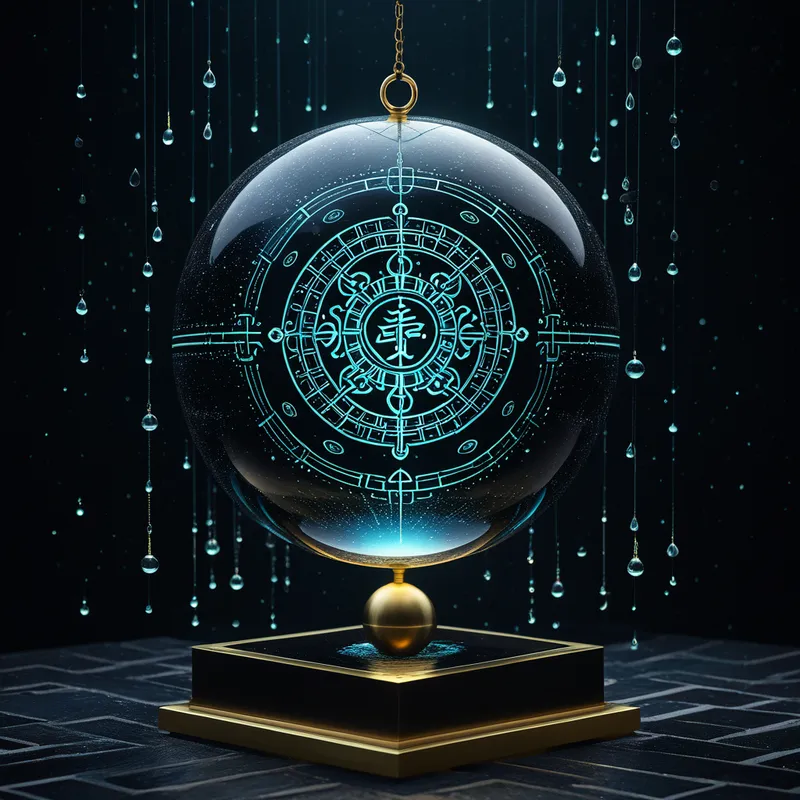
When this mythic pattern stirs in the modern dreamscape, it often signals a profound somatic and psychological process related to empathy, boundaries, and the fear of dissolution. To dream of a pristine spring or waterfall may indicate a nascent connection to a deep, intuitive wellspring of feeling or creativity within the dreamer. It is the Self calling from the "mountain," suggesting a need to acknowledge and honor this inner source.
Conversely, dreams of polluted, stagnant, or overwhelming flood waters frequently emerge when an individual is experiencing "compassion fatigue," emotional burnout, or a sense of being spiritually "diluted" by the demands of others—be it in caregiving, work, or relationships. The dream somaticizes the conflict of the myth: the ego feels it is losing its essential purity and coherence by flowing outward without return. The body may feel heavy, water-logged, or unclean upon waking. Such dreams are a critical message from the psyche: the circuit is blocked. The dreamer is giving from a source that is not being replenished, risking the exhaustion of the very essence that makes giving possible.

Alchemical Translation
The alchemical journey modeled by Mizu no Kamisama is one of solve et coagula—dissolve and coagulate—applied to the soul. The individuation process it outlines is not about achieving a static state of purified perfection, isolated on the mountain. It is about becoming a conscious participant in the sacred hydrological cycle of the psyche.
The first stage (solve) is the willing dissolution: the courage to flow into the world, to engage with its complexity and allow oneself to be shaped and even clouded by experience. This is the necessary corruption of the prima materia. The modern individual must leave the illusion of perfect, untested innocence and engage with life's realities.
The second, crucial stage (coagula) is the conscious return. This is the establishment of inner rituals—practices of self-reflection, gratitude, art, meditation, or therapy—that act as the "shrines" where the ego offers respect back to the inner source. It is learning to set boundaries that are not walls, but defined riverbanks that allow for healthy flow. It is recognizing that true strength lies not in invulnerability, but in sustainable circulation.
Individuation is the process of becoming the full river—aware of your sacred source, accepting of the silt gathered on your journey, and consciously completing the circuit that transforms duty into sacred covenant.
The ultimate triumph is the realization that one is both the mountain spring and the life-giving river. The Self is the eternal source, the journey through the world, and the grateful return, all contained within a single, flowing consciousness. The individual becomes a living embodiment of the covenant, where caring for the world and caring for the source within are revealed to be one and the same act.
Associated Symbols
Explore related symbols from the CaleaDream lexicon: