Shadow Figures: Integrating the Darker Self
A deep Jungian analysis of the Shadow in dreams. Learn why we dream of dark figures, chasers, and demons, and how to integrate these parts of the psyche.
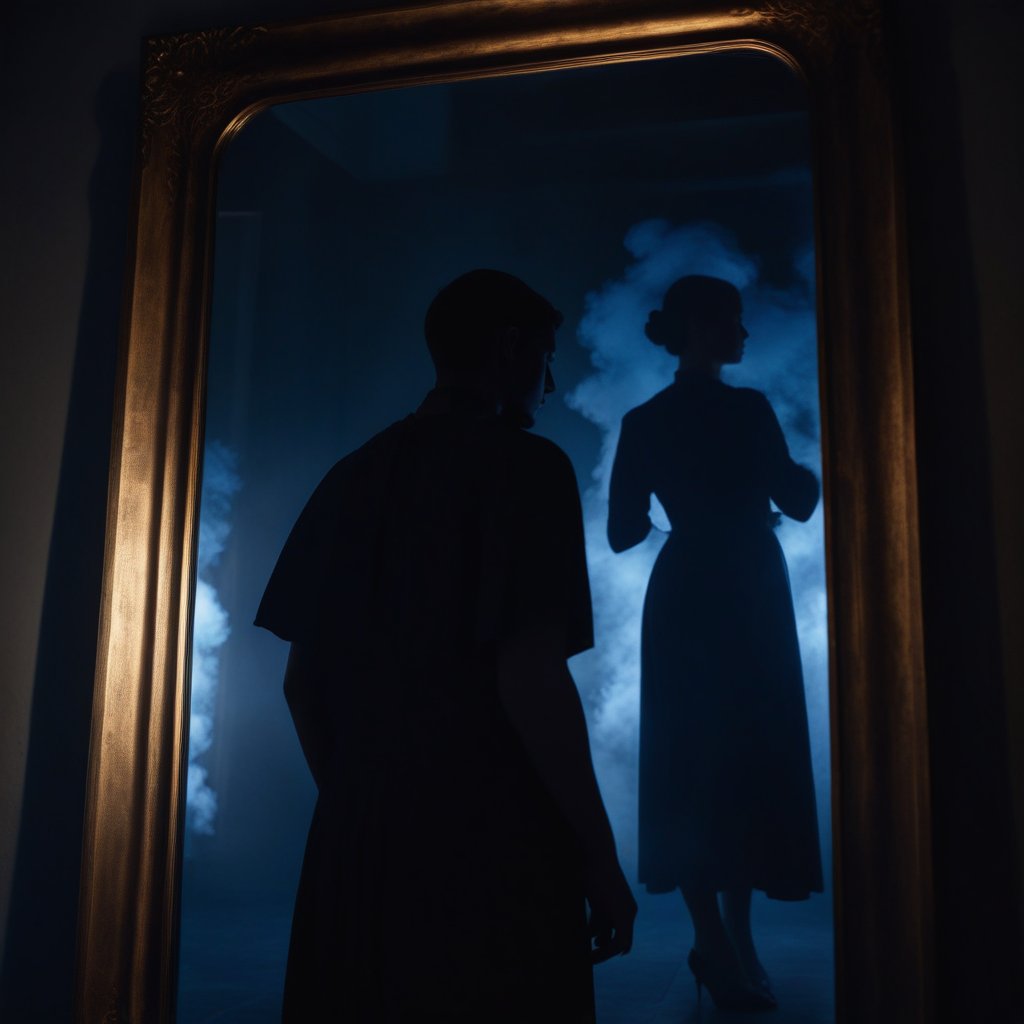
The “Shadow” is perhaps the most misunderstood and feared inhabitant of the dream world. Whether it appears as a “Dark Man” in a hallway, a Demon in the corner of the room, or a persistent Chaser in the night, the Shadow is often the reason we wake up screaming.
But according to Carl Jung, the Shadow is not “evil.” It is merely Everything about yourself that you have rejected, denied, or ignored.
When you dream of a shadow figure, the universe is not attacking you. It is trying to hand you back 50% of your power that you have locked away in the basement of your psyche. In this 5,000-word deep dive, we will learn how to stop running and start talking to the dark.
The Theory of the Shadow: Why It Chases
To understand the Shadow Figure, we must understand the “Persona.” The Persona is the mask we wear for the world—the “Good Person,” the “hard worker,” the “law-abiding citizen.”
Because we want to be liked, we take our darker impulses—our anger, our raw sexuality, our selfishness, and even our “too big” talents—and we push them into the unconscious.
- The Pressure Cooker: The subconscious can only hold so much repressed energy before it starts to leak. In dreams, this energy takes the form of the Shadow.
- The Mirror of Rejection: The more you hate a specific quality in others (e.g., people who are “too loud”), the more likely your Shadow will take that form.
- The Call to Wholeness: The Shadow chases you because it wants to be Integrated. It is a part of you that is lonely and wants to come home.
Part 1: Common Shadow Manifestations
The Shadow adapts its appearance to match your specific fears.
1. The Chaser
If you are being Chased in a dream, you are running from a part of yourself. The closer the chaser gets, the closer the repressed emotion is to entering your conscious awareness.
2. The Dark Intruder (The Burglar)
The Burglar represents a fear that your “boundaries” are being violated. On a deeper level, it suggests that there is “treasure” (lost potential) in your subconscious that is trying to break into your conscious life.
3. The Double (The Doppelgänger)
If the shadow figure looks exactly like you, but “wrong” or “evil,” this is a direct confrontation with your Counter-Personality. This is the highest level of shadow work. You are seeing who you would be if you took all your repressed negative traits and gave them a body.
4. The Sleep Paralysis “Demon”
Often called the “Old Hag” or the “Hooded Figure,” this experience happens when the body is asleep but the mind is partially awake. This is the Shadow at its most primitive. It feels like a weight on the Chest because the energy of the repressed emotion is physically overwhelming your nervous system.

Part 2: The Treasure in the Dark (The “Gold” of the Shadow)
Jung famously said, “90% of the Shadow is pure Gold.”
Why? Because when we repress our negative traits, we accidentally repress our positive ones too.
- If you were told as a child that “being assertive” was “being a bully,” you repressed your Leadership.
- If you were told that “dreaming big” was “being unrealistic,” you repressed your Vision.
By facing the Shadow in your dream, you are reclaiming the life-force attached to those qualities. When the “demon” stops chasing you and starts talking, it often reveals a gift.
Part 3: How to Integrate the Shadow
Integration is not about “becoming bad.” It is about becoming Whole.
- Stop Running: In the dream, if you realize you are dreaming, turn around and ask the figure: “Who are you and what do you want?”
- Own the Quality: Look at the shadow figure’s most “repulsive” trait. Where do you act like that in secret? Or where do you NEED to act like that (in a healthy way)?
- Perform a Dialogue: After waking, write a letter to the shadow figure. Allow the “dark part” of you to write back. You will be shocked at the wisdom it contains.
- Check the Theme of Power: The Shadow only has power over you as long as it is hidden. Once it is seen, it becomes an ally.
Cultural Perspectives on the Dweller on the Threshold
The Tibetan Lens: Chöd Practice
In Tibetan Buddhism, there is a practice called Chöd where the practitioner “feeds” their demons. Instead of fighting the shadow, you offer it your own body (your ego) as food. Once the demon is “fed,” it turns into a Protector Deity.
The Christian Lens: The Devil and Temptation
Traditionally, the shadow was seen as external “demons.” In modern spiritual warfare, the “demons” are viewed as the “Lies of the Enemy.” The work is to replace the “Lie” of the shadow with the “Truth” of the Spirit.
The Shamanic Lens: The Soul Retrieval
The Shadow often guards the pieces of the soul that were lost during trauma. To the Shaman, the shadow figure is a “Guardian.” You must show courage to pass the guardian and retrieve your light.
Connections to the CaleaDream Database
- Shadow Figure: The primary archetype.
- Demon: The personification of intense repression.
- Darkness: The element of the hidden.
- Mirror: The tool of self-reflection.
- Mask: The “Persona” that hides the shadow.
Conclusion: The Light Requires the Dark
You cannot have a 3D reality without shadows. The goal of CaleaDream is not to help you have only “happy” dreams, but to help you have Meaningful ones.
The next time a dark figure appears in your night, don’t reach for the light switch. Reach for the hand of the figure. It might just be holding the key to your next level of evolution.

FAQ
Q: Is “Shadow Work” dangerous? A: It can be emotionally intense, but it is much more “dangerous” to leave the shadow un-integrated. Un-integrated shadows manifest as physical illness, relationship sabotage, and sudden emotional outbursts.
Q: Why is my shadow always a man/woman? A: The Shadow usually takes the same gender as the dreamer. If it takes the opposite gender, you may be working with the Anima/Animus—your inner masculine or feminine. (See our Articles Index).
Q: Can children have shadow dreams? A: Yes, children often dream of “monsters.” This is their way of processing the scary, new emotions they don’t yet have names for. Nurture the child’s “monster” by letting them draw it and give it a name.
For more guidance on Jungian dream work, explore the Methodology Section.