The Soul’s Infrastructure: Urbanization Dreams and the Architecture of Self
The Somatic Echo
Before the mind conjures the image of the endless grid, the body knows the state. It is a specific, hollow density. A weight in the sternum, not of stone, but of poured concrete—a cold, settled mass. The breath feels shallow, recycled, moving through narrow internal ducts. There is a low-grade hum in the bones, the vibrational residue of ten thousand distant engines, a psychic tinnitus. The skin registers not emptiness, but an oppressive proximity; you are surrounded by life, yet feel a profound, cellular isolation. This is the somatic prelude to the dream of urbanization: the body reporting on the condition of its internal city.
The Dreamer’s Log (Case Vignette)
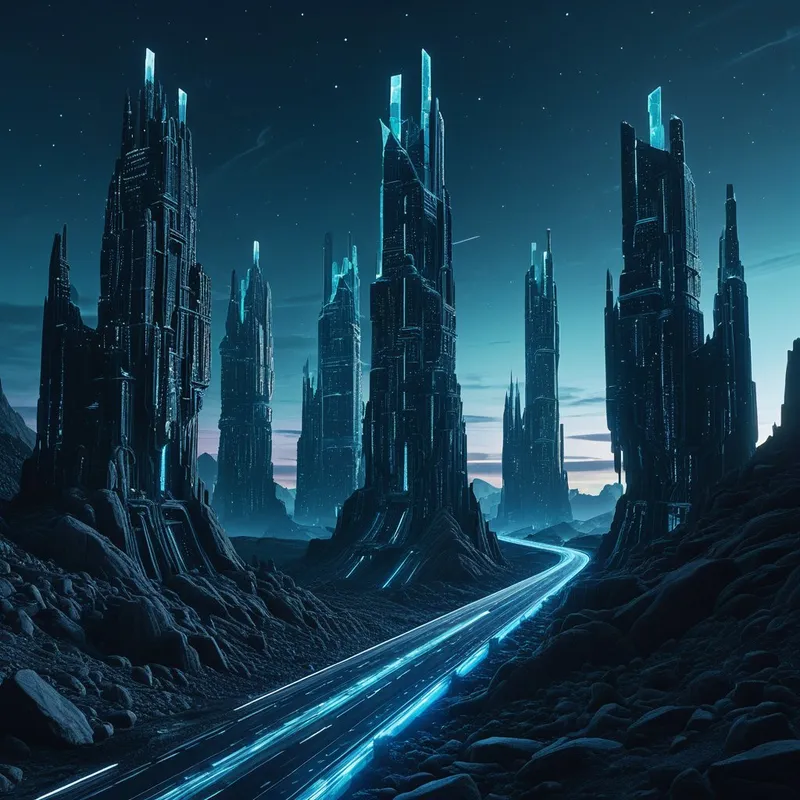
I am in a district of the city that was once familiar, but the streets have reconfigured themselves. The buildings are sheer cliffs of dark glass. I am searching for a specific door, a green one I remember from childhood, but every avenue dead-ends in a construction site or a blank wall. The only sound is the distant, rhythmic thud of pile drivers, felt more than heard. I look up and see a lattice of bridges and walkways far above, populated by silhouettes moving with purpose, but I cannot find the stairs.
This is not a dream about being lost in a city, but about the soul’s confrontation with its own over-developed, impersonal superstructures, where the memory of a green door—a personal, organic entry point—is rendered obsolete by the relentless logic of the grid. The alchemical interpretation: The dreamer’s psyche is mapping the distance between an authentic, remembered self and the efficient, soul-less architecture they have built to survive.
The False Lead
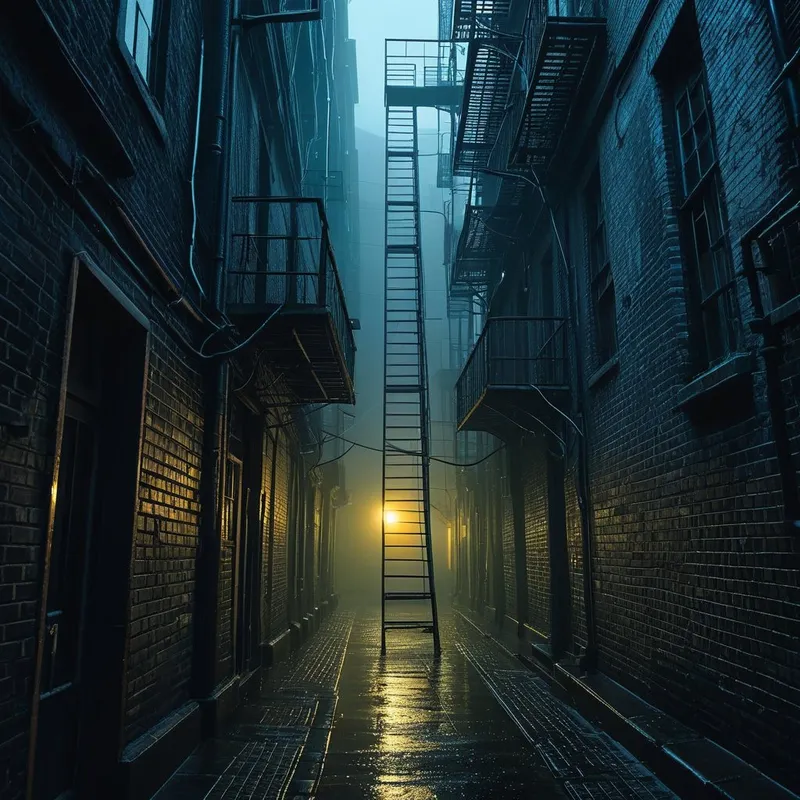
Do not mistake this for a simple dream of stress or “being too busy.” The urbanization dream is not about the clutter of tasks, but about the architecture of being. It is not a complaint about noise, but a report on systemic resonance. The terror here is not of a monster in an alley, but of the alley itself—its endless repetition, its engineered indifference. This theme speaks to a foundational shift in the psyche’s landscape, a move from the organic, winding paths of instinct and emotion to the planned, efficient zones of persona and defense. It is the difference between a forest and a park; both have trees, but one obeys a deeper, wilder logic, while the other serves a design.
Psychological Architecture
To dream of urbanization is to walk the blueprints of your own interior. The towering office blocks are not just workplaces; they are the citadels of your ambition, the sealed archives of your unexpressed thoughts. The subway systems map the subterranean currents of libido and shadow, rushing unseen beneath the polished streets of your conscious identity. The construction sites—perpetual, deafening—mark where old parts of the self are being demolished to make way for new integrations, often before you have consented to the plans.
The Shadow work here is an archaeological dig through the strata of your own development. You must become an urban explorer of the soul, venturing into the abandoned warehouses of old traumas (now gentrifying into art studios of new understanding), and the flooded basements of repressed emotion. Individuation, in this context, is not about fleeing the city, but about becoming its conscious architect and compassionate mayor. It is the arduous process of surveying the whole—the glittering spires and the forgotten slums—and accepting responsibility for the entire metropolis of Self. The goal is not a pastoral escape, but a resilient, integrated, and soulful metropolis where light, space, and wildness have a designated right to exist.
Mythic Resonance
We see this eternal process in the myth of Daedalus and the Labyrinth. The great architect does not just build a maze to contain a monster; he internalizes its design so perfectly he can barely escape it himself. The urbanization dream is that labyrinth—a psychic structure of our own brilliant, imprisoning design. We are both Daedalus, the builder of our complex defenses, and the Minotaur, the raw, instinctual self trapped at its center. The myth whispers that the way out is not through brute force, but through a re-engagement with creative intelligence (the thread, the wings), a re-weaving of the structure from within.
Similarly, the Tower of Babel is not merely a story of pride, but of a psychic urbanization so extreme it severs the connection between parts of the self. The drive to build a single, monolithic structure to heaven represents the ego’s attempt to create a uniform, centralized identity that reaches the divine directly, bypassing the messy, multilingual dialects of the soul—the body’s wisdom, the heart’s longing, the shadow’s murmurs. The resulting “confusion of tongues” is the dream state of urban sprawl: a cacophony of internal voices that no longer understand each other, living in isolated districts of the same vast mind.
Symbolic Nodes
- Endless Grids & Freeways: The logic of the rational mind overriding the organic, a system of thought that prioritizes efficiency over destination.
- Construction Sites & Cranes: The psyche in a state of active, often disruptive, redevelopment; potential amid chaos.
- Abandoned/Decaying Districts: Neglected aspects of the self, memories, or talents left to ruin.
- Sheer Glass & Steel Towers: The persona—impressive, reflective, but often impermeable and cold.
- Subway/Tunnel Systems: The unconscious, shadow aspects, and primal drives moving beneath the surface.
- Missing/Inaccessible Green Spaces: The felt absence of the soul’s natural, restorative state.
Archetypal Resonance
The Ruler Archetype is the prime architect of the urbanization dream. This is the psyche’s innate drive for order, structure, and control, manifesting as the internal city planner. The somatic echo of hollow density is the Ruler’s burden of sovereignty—the weight of managing a vast, complex domain. The dream’s alchemical potential lies in the evolution from the Shadow Ruler—the tyrannical control-freak who zones out emotion and paves over intuition for the sake of sterile order—into the mature Sovereign. The mature Sovereign does not just impose order from above, but listens to the needs of all districts of the self, integrates feedback, and plans a city that serves the well-being of the entire kingdom, allowing for both majestic towers and sacred, wild parks.
The Alchemical Process
The transmutation here is from Gridlock to Metropolis. The base material is the terror of being a ghost in your own machine, a nameless unit in a system of your own making. The nigredo, the blackening, is the full-bodied feeling of being utterly lost in the labyrinth, where every street looks the same and home is a forgotten concept. The heat and pressure are applied by the relentless, unavoidable confrontation with this inner landscape—the dreams that won’t let you sleepwalk through your own psyche.
The albedo, the whitening, begins with the first act of internal cartography: “I am here. This cold tower is my ambition. That dark alley is my fear.” As you name the districts, you reclaim them. The citrinitas, the yellowing, is the dawning realization that you are not a prisoner, but the inheritor of this entire city. The final rubedo, the reddening, is the achieved integration. It is the moment the internal governance shifts from autocratic control to participatory stewardship. The infrastructure remains—the bridges of connection, the aqueducts that channel emotion—but it now serves a conscious, embodied soul. The metropolis breathes. You are no longer lost in it; you are in relationship with it.
The Integration Protocol
Question 1: In the city of your psyche, which district feels most neglected or dangerous? What would it look like if it were safe, vibrant, and integrated into the whole?
Question 2: Where in your life are you following someone else’s street grid? Where have you surrendered your internal urban planning to external blueprints of success, propriety, or normality?
Question 3: What is the one “green space”—a memory, a feeling, a forgotten passion—that you need to designate as a protected, sacred park within yourself?
Action 1 (Somatic Survey): For one day, track the somatic echo. When do you feel that concrete density in your chest, that recycled-air breath? Don’t analyze the thought, just note the physical sensation and your location. You are mapping the stress points in your psychic infrastructure.
Action 2 (Unstructured Cartography): Take a large piece of paper. Without thinking, draw the map of your internal city as it feels today. Let it be abstract. Where are the blockages? The dead ends? The bright centers? The hidden waterways? Label nothing with words, only with intuitive symbols or colors. This is a direct dialogue with your dream logic.
Action 3 (Ritual of Illumination): At night, in a dark room, light a single candle. Imagine its light is not a flame, but a soft, golden civic light—a streetlamp. In your mind’s eye, place this lamp at the entrance to the most neglected district from your map or dream. Simply let the light stand there, not to fix or change, but to assert: This place is acknowledged. It is part of the city. Extinguish the candle, carrying the memory of that designated light.
Final Validation
It is a profound and lonely thing to stand in the shadow of a skyline you built but no longer recognize. The grief is real—for the wild, unplanned self that seems to have been paved over. Honor that grief; it is the soul’s protest against its own efficient imprisonment. But within that very grief lies the master key. You are not a tenant in this psychic city. You are the land, the architect, the construction crew, and the governing body. The power to re-zone, to preserve, to connect, and to illuminate is not granted by any external authority. It is the buried sovereignty waiting to be reclaimed at the very center of the labyrinth, in the quiet heart of the metropolis of you.