The Somatic Echo
Before the plot arrives, the body knows. It is a pressure behind the sternum, a gathering of breath in the hollow of the throat. It is not anxiety, but a pregnant fullness, as if a story is a physical thing waiting to be born. Your jaw may feel tight, holding back unspoken words; your hands may feel restless, craving the gesture that accompanies a tale. This is the somatic echo of narrative impulse—the deep, pre-verbal knowing that an experience is not just an event, but a sequence with meaning. It is the feeling of being a vessel for something that must be told, a signal from the unconscious that a crucial piece of your internal architecture is ready to be translated from raw sensation into coherent form. To ignore this echo is to leave a vital part of yourself in the mute, shadowed realm of the unlived.
The Dreamer's Log (Case Vignette)
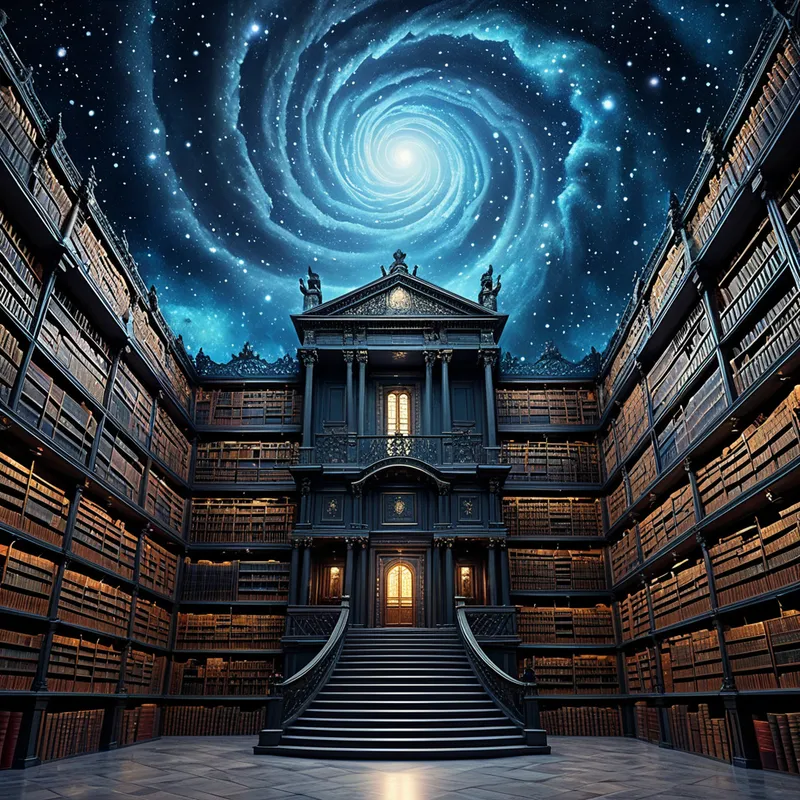
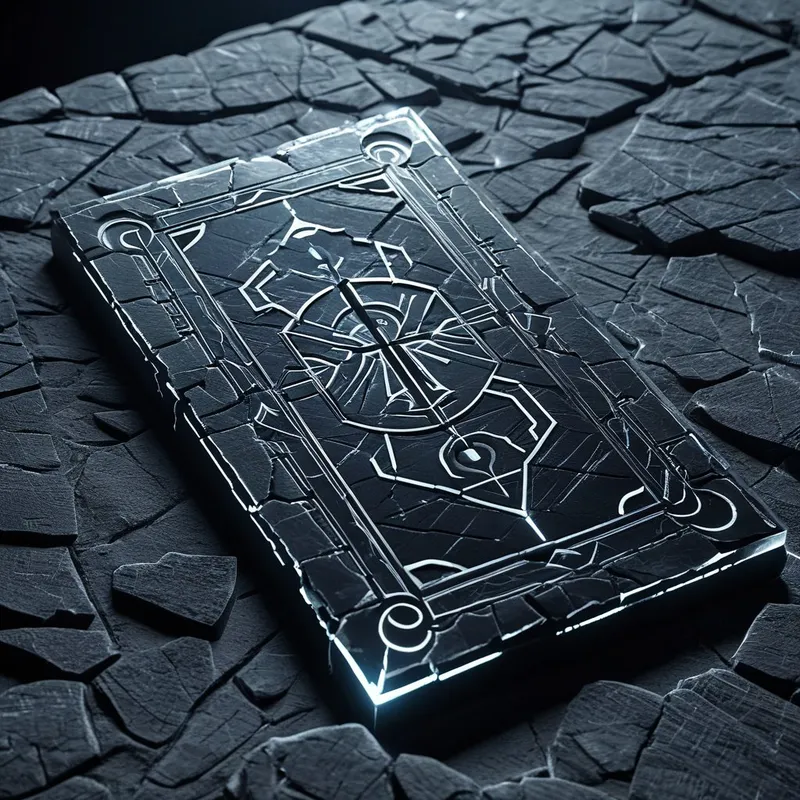
I am standing in a vast, silent archive. The only object is a cracked obsidian tablet, cold and inert. My task is to read it, but the glyphs are faded. I realize I must breathe onto its surface. With each exhale, a warm, living light bleeds from the fractures, and the glyphs rewrite themselves into a story I suddenly remember is my own.
Here, the alchemy is clear: the frozen record of the past is inert until animated by the warm, living breath of present consciousness.
The False Lead
This theme is not about crafting a clever anecdote for social currency. It is not the ego’s desire to appear interesting or profound. To mistake a storytelling dream for a prompt to edit your biography for public consumption is to commit a profound error. The dream is not asking you to improve your narrative; it is asking you to authenticate it. The false lead is the compulsion to smooth out the contradictions, to force a happy ending, or to cast yourself as the flawless hero. The psyche’s storytelling is a grittier, more honest process—it includes the plot holes, the tragic flaws, the unresolved subplots. It is the architecture of truth, not the decoration of fiction.
Psychological Architecture
Beneath the surface of our waking identities lies a parliament of selves, each with its own version of events. The Orphan part holds the tale of betrayal; the Inner Child, the story of wonder; the Critic, the narrative of failure. A storytelling dream signals that the central, conscious "I" is being called to the director’s chair. This is the core of Shadow work and Individuation: not to banish these sub-personalities, but to listen to their disparate scripts and become the author who can weave them into a coherent, overarching narrative. It is the move from being a character buffeted by plot—"this happened to me"—to becoming the narrator who holds the point of view—"this is the meaning I make from what happened." The process is one of psychic sovereignty, where you stop merely reciting the stories you inherited (from family, culture, trauma) and begin to compose the story you consent to live.
Mythic Resonance
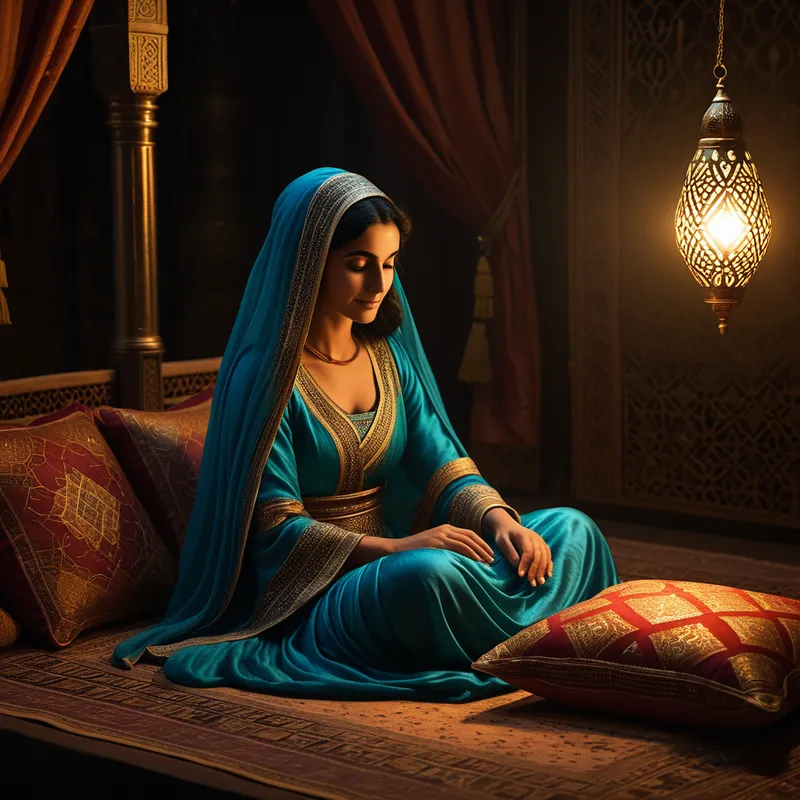
Consider the figure of Scheherazade, who does not just tell stories to entertain, but to survive. Each night’s tale is a thread spun to weave a new dawn, transforming a sentence of death into a narrative of life. Her storytelling is an active, creative defiance of a rigid, tyrannical plot. Similarly, the Norse Norns—Urd, Verdandi, and Skuld—do not merely predict fate at the base of Yggdrasil; they carve it into the trunk of the World Tree. They are the weavers of ørlög, the primal layer of destiny, from which all subsequent stories unfold. These myths remind us that storytelling is not a passive recounting. It is the fundamental, world-shaping act. In the dreamspace, you are both Scheherazade and Norn, using narrative to stay alive and to carve the very substance of your becoming.
Symbolic Nodes
- Ancient Books/Scrolls/Tablets: The inherited or unconscious narrative, waiting to be deciphered.
- Empty Stages/Podiums: The call to step into the role of narrator, the potential space for your voice.
- Broken Pens/Typewriters with Jammed Keys: Creative blockage, the frustration of the untold story.
- A Audience of Shadows or Faceless Figures: The internalized "others" for whom we perform, or the parts of the self waiting to be witnessed.
- Rewriting/Editing a Text: The active process of revising one's self-concept or life direction.
- A Story that Physically Alters the Dream Environment: Demonstrating the manifest power of narrative to reshape perceived reality.
Archetypal Resonance
The Creator Archetype is the sovereign energy of this theme. Its resonance is not in the flamboyance of art, but in the profound architecture of meaning-making. The somatic echo—the fullness in the chest—is the Creator gathering raw materials of emotion and memory. Its shadow, the Self-Centered or Mad Scientist, manifests when the story becomes a solipsistic loop, a creation divorced from soul, built for control or self-aggrandizement rather than integration. The alchemical potential of the Creator in storytelling dreams is the ultimate act of self-authorship: to take the chaotic, disparate events of a life—the joy, the trauma, the banality—and impose upon them a form that is both beautiful and true. It is to build an inner world so coherent that it can sustainably house all your contradictions.
The Alchemical Process
The transmutation here is from fate to destiny. Fate is the story that happens to you; destiny is the story you choose to create from what happens. The required heat is the unbearable tension of holding multiple, conflicting truths about yourself simultaneously—the victim and the hero, the fool and the sage. The pressure is the courage to face the "first draft" of your life, with all its clichés, tragedies, and unpalatable chapters, without turning away. The alchemical fire is lit when you stop asking "Why did this happen to me?" and begin asking "What story does this empower me to tell?" In this crucible, the leaden weight of passive suffering is transformed into the gold of active meaning. The narrative is no longer a prison of explanation but a toolkit for navigation.

The Integration Protocol
Question 1: If the dream you had was not a memory, but a prophecy, what future is it narrating into being?
Question 2: Which character in your inner family system (the Orphan, the Critic, the Hero) is currently holding the pen and writing your daily script?
Question 3: What one sentence in the story of your life are you most afraid to write, read, or speak aloud?
Action 1 (Somatic Narration): Sit quietly and locate the somatic echo of an untold story in your body. Without words, give it a gesture. Then a sound. Let the narrative begin non-verbally, as a physical score, before it demands language.
Action 2 (Unstructured Mythmaking): Take three objects from your home that feel unrelated. Arrange them on a surface. Write a one-page myth—not a personal anecdote, but a legend with "Once upon a time..."—that explains why these three objects exist together in this world. Do not think, just let the story emerge from the arrangement.
Action 3 (Ritual of Revision): Light a candle to signify the light of consciousness. Write down a core, limiting belief you hold about your life (e.g., "I am unworthy of love"). Read it aloud. Then, with deliberate ceremony, cross it out. Beneath it, write not a positive affirmation, but the first line of a new chapter that begins after that old belief is discarded (e.g., "The day she stopped asking for permission..."). Let the candle burn down as you sit with that opening line.
Final Validation
It is a vulnerable and formidable thing, to be appointed the author of your own existence. To pick up the pen is to accept responsibility for the narrative, and that can feel like a betrayal of the simpler story where you were just a passenger. Honor that difficulty. Then, feel the weight of that pen in your hand—its solidity, its potential. The dreams are not leaving you without guidance. They are providing the raw glyphs, the fractured tablets, the empty stages. Your breath, your attention, your courage to speak the next sentence—that is the magic. The story is not finished. It is waiting for you to write the paragraph that only you can.