
The Inner Economy: Dreaming of Resource Inequality
The dream of inequality is not a social commentary. It is a somatic report from the front lines of your own civil war. It is the psyche’s audit of its internal economy, revealing which parts of you live in opulent towers and which shiver in psychic slums. Before it becomes an image, it is a feeling—a deep, structural ache in the architecture of the self.
The Somatic Echo
It begins not with thought, but with a specific gravity in the body. A leaden weight in the solar plexus, the seat of personal power, as if something vital has been requisitioned and shipped to an unknown district of the self. There is a hollow resonance in the chest, a chamber echoing with the ghost of a resource—time, voice, love, agency—that was once minted there but is now circulated elsewhere. The breath becomes shallow, a currency too precious to spend freely. The shoulders may carry an invisible, lopsided burden, one side slumped under the weight of excessive responsibility, the other light and brittle from disuse. This is the visceral signature of an internal system out of balance, where the flow of your essential energies has been dammed, diverted, or declared the private property of a single, tyrannical faction of your being.
The Dreamer's Log
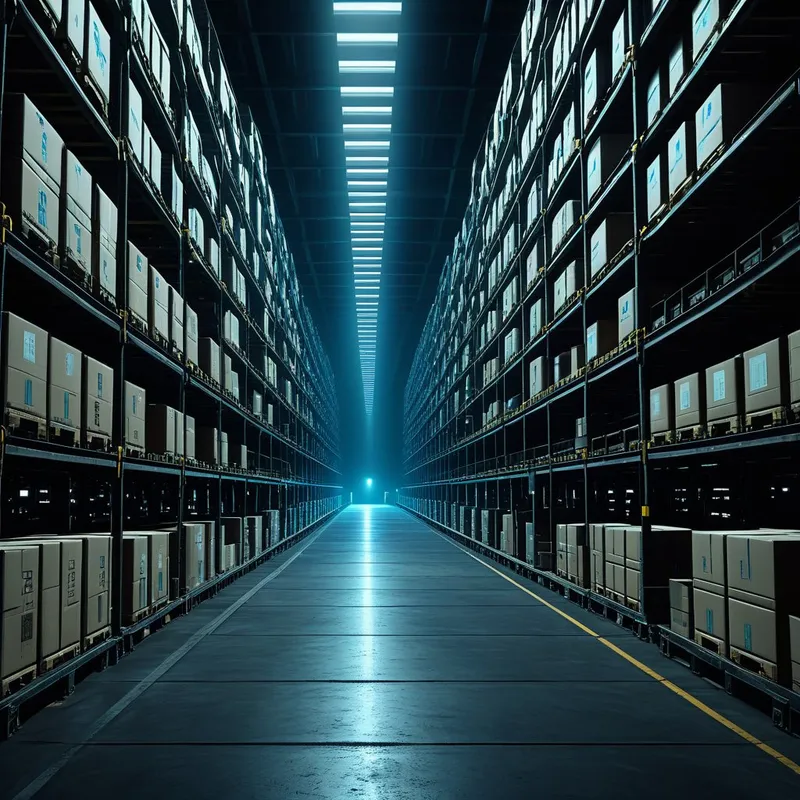
I am in a vast, automated warehouse that is my mind. Endless conveyor belts carry gleaming crates of "Productivity" and "Calm" into a fortified, well-lit sector. I am in a dark, forgotten aisle, searching frantically. I find one small, dusty box on a high shelf. Its label, handwritten and faded, reads: "My Voice." I cannot reach it. The machinery drones on, indifferent.
This dream is an alchemical map showing the sequestration of authentic expression to fuel the impersonal machinery of output.
The False Lead
This theme is not about dreaming of literal poverty or envying a neighbor’s car. Those are surface symbols. The core is not material lack, but systemic internal disenfranchisement. It is not the grief of having nothing, but the terror of realizing your wholeness has been partitioned, that the ruler of your inner kingdom has declared certain emotions, needs, or talents to be "undeserving" of energy. It is the shadow of meritocracy turned inward: the belief that only the "productive" or "agreeable" parts of you deserve sustenance. To mistake this for a simple dream of "bad luck" or "insecurity" is to confuse the revolt of an entire internal populace for a single dissatisfied citizen.
Psychological Architecture
The work here is the shadow work of the Internal Treasury. We each have an inner council—a family of selves. The Individuation process, in this context, is the overthrow of a shadow government that operates on a economy of scarcity. One part, often the inner Orphan or the performing Hero, may have seized the treasury of your attention and life force, hoarding it for survival or for endless campaigns of external validation. Meanwhile, the creative, the vulnerable, the restful, the rebellious parts are left in a state of psychic famine.
This creates a feedback loop of collapse. The starved parts grow desperate, their communications becoming nightmares of lack and theft. The hoarding part, terrified of this inner rebellion, tightens control, creating dreams of fortresses, locks, and barren landscapes. The psyche’s journey toward wholeness demands a courageous audit: to enter the fortified vaults, to meet the frightened hoarder, and to begin the perilous, compassionate work of redistribution. Sovereignty is not the rule of one part over the others, but the establishment of a commonwealth where every aspect of the self has a right to exist and draw from the well.
Mythic Resonance
We see this eternal drama in the Greek tale of Erysichthon. He is the king who, in his arrogance, cuts down a sacred grove of Demeter, the goddess of the harvest. For this crime of profound imbalance—of stealing a resource meant for the whole community—he is cursed with an insatiable hunger. He consumes everything: his wealth, his livestock, and finally, himself. The myth is not about gluttony, but about the inevitable fate of a consciousness that operates on extraction and hoarding. The inner Erysichthon, who clear-cuts your creativity to build monuments to your ego or who consumes all your peace to feed anxiety, will ultimately devour the very self it sought to aggrandize. The dream of resource inequality is Demeter’s warning, delivered nightly.
Symbolic Nodes
- Barren Landscapes & Overflowing Vaults: A desert within sight of a lush oasis; a parched throat beside a locked fountain.
- Broken or One-Way Systems: Conveyor belts that take but don't bring, bridges that lead to a walled city, bank tellers who vanish when you approach.
- Hoarding & Hidden Treasures: Rooms packed with useless gold, a forgotten safe, a pantry full of food that cannot be eaten.
- Starvation in Plain Sight: A feast where you have no seat, a library where all books are chained shut, a dry well in a rainstorm.
Archetypal Resonance
The drama of internal resource inequality most powerfully activates The Shadow Ruler Archetype. This is not the Sovereign who stewards the kingdom for the good of all, but the Tyrant who confuses control with order, and ownership with power.
The Shadow Ruler’s core energy is the imposition of a false, rigid hierarchy based on fear. Its somatic echo is that leaden, clenched control in the gut and chest—the feeling of being both the oppressor and the oppressed within your own skin. Its alchemical potential lies in its dethronement. The heat required to transmute this shadow is the searing compassion of realizing the Tyrant is not evil, but a terrified part that believes scarcity is the fundamental law of existence. By listening to its fear rather than obeying its decrees, you can begin the work of transforming the Tyrant into a true Sovereign—an inner leader who allocates the resources of your soul not from a place of lack, but from the abundant, difficult truth of your complex wholeness.
The Alchemical Process
The transmutation here is The Great Redistribution. The prima materia—the base lead of this experience—is the grief and rage of your inner exiles. The furnace is the unbearable tension of holding both the hoarded wealth and the desperate poverty within your single awareness. You must apply the heat of conscious, non-judgmental observation.
First, you must locate the vaults. In the dreamscape, this means following the energy to its fortified terminus. Where does your life force get stuck? In endless planning? In people-pleasing? In worry? That is the Shadow Ruler’s treasury.
Second, you must parley with the guard. This is the intense internal pressure: to approach the anxious, controlling part not as an enemy to be destroyed, but as a misguided protector to be understood. This dialogue is the alchemical solve—the dissolving of rigid structures.
Finally, you initiate the return. This is the coagula—the forming of the new golden order. It is the deliberate, daily act of redirecting energy. It is giving five minutes of your "productive" time to daydreaming. It is spending the energy usually allocated to anxiety on a defiant act of rest. It is speaking a true sentence with the breath usually used to hold silence. Each act is a small revolution, transferring sovereignty from a fear-based regime to an ethic of inner commonwealth.

The Integration Protocol
Question 1: In the kingdom of your self, what one emotion, desire, or part of you feels like it resides in the "poor district," chronically underfunded and unheard?
Question 2: What is the name and mission of the inner faction that controls the majority of your resources? What is it so desperately trying to build, prevent, or prove with its hoard?
Question 3: If your inner economy were suddenly based on abundance rather than scarcity, what is the first "resource" (e.g., unconditional attention, creative time, permission to rest) you would distribute equally to all parts of yourself?
Action 1 (The Internal Audit): For one day, track your attention as if it were currency. Note not just what you pay attention to, but which part of you is receiving it. Is it the anxious planner? The critic? The performer? Simply label the "recipient" without judgment.
Action 2 (The Redistribution Ritual): Choose one small resource from the "hoarded" category (e.g., 10 minutes of time, a quiet space, a sum of money for pleasure). Deliberately and ceremoniously give it to the "impoverished" part. If it's your creativity, buy the notebook and scribble nonsense. If it's your body, use the time to stretch without a goal. Break the internal law.
Action 3 (Mapping the Commonwealth - Creative Expression): Draw, collage, or write a description of your psyche as a landscape or city after the Great Redistribution. Don't draw figures. Draw the infrastructure: What does the new system of flow look like? Are there open aqueducts instead of locked pipes? Communal gardens instead of private, guarded estates? Let this image be a blueprint for your unconscious to follow.
Final Validation
To dream of inequality within yourself is a brutal and sacred honor. It means your psyche is no longer willing to live under the silent tyranny of lack. It is drafting its declaration of interdependence. The feeling of being at war with yourself is the friction of this reformation. Hold the tension. The grief of seeing the exiled parts is the first rain on the parched inner earth. The redistribution is not a peaceful process—it is the difficult, glorious work of becoming a sovereign state, where every citizen of your soul has a vote, a voice, and a right to the bounty of your being.