The Dream of Remembrance: A Summons to the Lost City of Self
The Somatic Echo
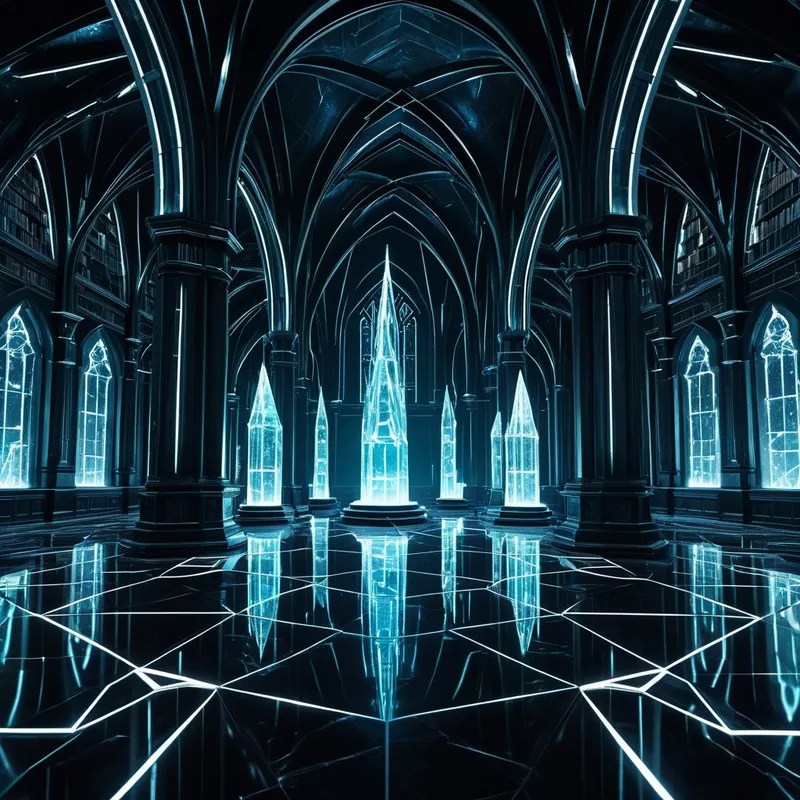
It begins not as a thought, but as a gravity. A deep, magnetic pull in the solar plexus, a hollow ache behind the sternum that feels like a forgotten room in a house you know by heart. The body remembers what the conscious mind has filed away. There is a weight, a density to the air around you, as if you are moving through a space thicker than the present moment. It’s the sensation of a ghost limb—not of the body, but of the psyche. A specific quality of silence hums in the inner ear, the silence of a story interrupted mid-sentence, waiting decades for its conclusion. This is the somatic prelude to remembrance: a visceral knowing that something vital is missing, and a tectonic pressure from below to return it to the surface.
The Dreamer's Log
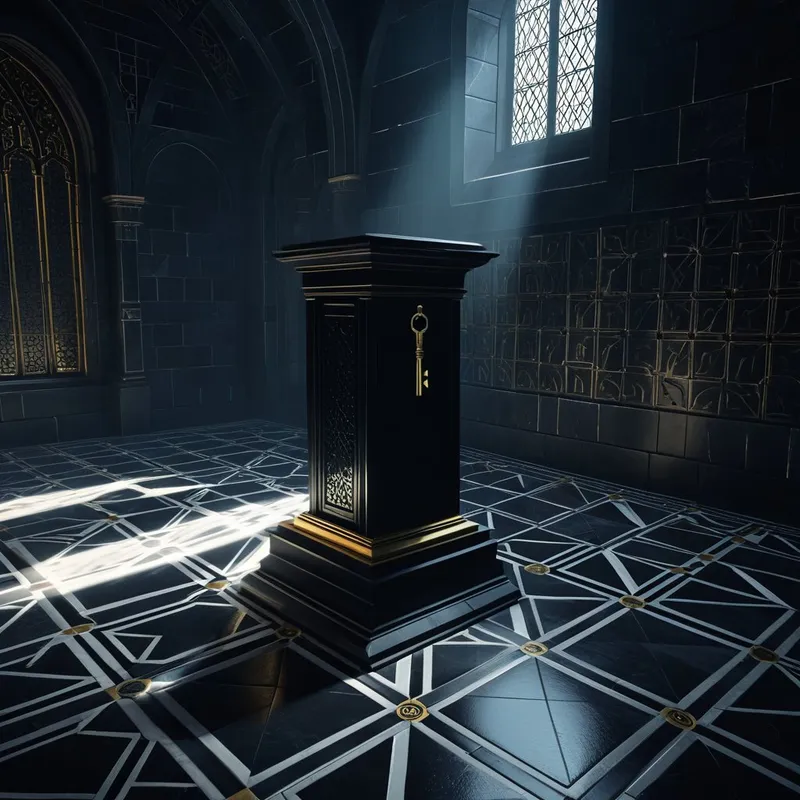
You stand in a vast, silent archive of black marble. Rows of seamless drawers stretch into darkness. You know, with dream-certainty, that one drawer contains a single, ornate brass key. You search frantically, your fingers brushing cold metal, but every drawer is identical and empty. Just as despair sets in, you feel the key already in your palm, its teeth warm against your skin. You were holding it all along.
This dream is not about finding something external, but recognizing that the mechanism of liberation—the key—is an innate, embodied knowledge you had simply forgotten you possessed.
The False Lead
Remembrance is not nostalgia. Nostalgia is a sentimental tourism of the past, a curated museum of softened edges and golden-hour light. It seeks comfort, not truth. Remembrance, in its profound dream form, is an archaeological dig in a psychic rainstorm. It is often uncomfortable, disruptive, and arrives with the grit of unvarnished reality. It is not merely recalling a pleasant memory, but being confronted by a disowned fragment of your own history—an emotion, a capacity, a trauma, a love—that your waking self had deemed unnecessary or too dangerous to keep. To mistake this sacred summons for mere reminiscence is to dismiss the psyche’s most urgent work of reclamation.
Psychological Architecture
The architecture of remembrance is the architecture of the shadow, built from everything we have excised from our conscious identity to survive, to belong, to be loved. When a dream of remembrance arrives, it signals that the psyche’s internal family system is in revolt. Exiled parts—the too-sensitive child, the furious adolescent, the untamed creative—are no longer content to live in the basement. They knock on the floorboards of your dreams.
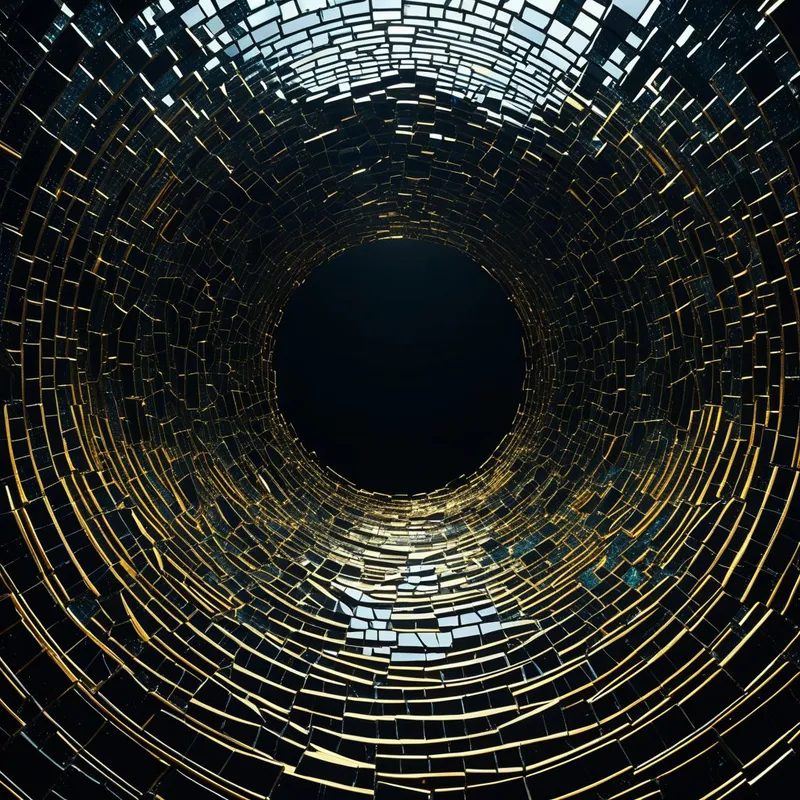
This is the core of the individuation process: not becoming someone new, but becoming someone whole. It is the painstaking reassembly of a shattered mosaic. Each remembered fragment, especially the painful ones, is a tessera of that mosaic. The work is to kneel in the rubble of your own defenses, pick up the sharp pieces, and understand their place in the larger picture. The grief you feel is not for the past, but for the energy spent maintaining the amnesia. The terror is of the reunion itself—what will it mean to admit that this lost piece, this anger or this vulnerability, is, and always was, you?
Mythic Resonance
We see this in the myth of Orpheus and Eurydice. His journey to the underworld is not merely a rescue mission; it is the ultimate act of remembrance. He goes to retrieve not just his wife, but the part of his soul that died with her—his joy, his music’s full resonance. The condition is the alchemical law of this process: he must lead her out without looking back. He must integrate this lost part in faith, trusting it follows, without demanding the old, solid proof of sight. His fatal glance backward is not doubt in her, but doubt in the process, a craving for the old, static memory instead of the living, integrated reality. The myth tells us that remembrance requires walking forward into your present life, trusting the recovered soul-fragment is with you, without constantly turning to verify its shadow.
Symbolic Nodes
- Keys, Especially Rusted or Ornate: The means of unlocking a sealed chamber of the self.
- Forgotten Rooms, Basements, Attics: Unexplored or neglected aspects of the psyche.
- Ancient Books or Sealed Letters: Unread narratives of your own history.
- Ghosts that are Familiar: Personified lost emotions or traits seeking recognition.
- Buried Objects (Time Capsules, Chests): Talents or truths deliberately stored away.
- A Guide who is Faceless or Known: The deeper Self, often disguised.
- Repetitive, Unfinishable Tasks (Searching): The conscious mind's futile attempt to solve a problem that requires surrender, not effort.
Archetypal Resonance
The Orphan Archetype is the prime mover in the dream of Remembrance. Not its shadow aspect of Victim, but its core essence as the Realist and the Survivor. The Orphan knows something is missing—the innate connection, the wholeness—and pragmatically sets out to find it. The somatic echo of hollow gravity is the Orphan’s foundational feeling of being separated from one's own source. Its alchemical potential lies in its profound realism; it does not seek spiritual bypass in blissful ignorance. It demands to know what was lost, to feel the true cost, and in doing so, it gathers the exiled family of the psyche. By remembering what was cast out, the Orphan survivor ultimately forges a self that is sovereign because it is complete, no longer seeking outside for what was within all along.
The Alchemical Process
The alchemy of remembrance is a process of psychic digestion. The forgotten material is undigested experience, a lump of leaden memory sitting heavy in the gut of the soul. The required heat is the courageous, sustained attention you bring to it—the willingness to feel the old shame, the old longing, the old rage without fleeing. The pressure is the conscious life you are trying to build, which cannot stand on a foundation of voids.
The transmutation occurs in the liminal space between the dream’s presentation and the waking mind’s contemplation. You take the symbolic image—the key, the ghost, the sealed letter—and you hold it in the warm light of your present awareness. You ask not just "What does this mean?" but "What part of me does this represent?" As you link the symbol to a disowned feeling or capacity, the leaden memory loses its inert, toxic quality. It becomes gold—not a shiny trophy, but a usable, conductive material. It becomes integrated energy, a reclaimed power that now fuels your sovereignty. You are no longer haunted by a ghost; you have welcomed back a citizen of your inner world.
The Integration Protocol
Question 1: When you sit with the feeling the dream left behind, where in your body does it resonate most strongly? Describe its texture, temperature, and weight as if it were a physical object.
Question 2: If the remembered person, object, or place in the dream were a fragment of your own character—an emotion, a stance, a skill you abandoned—what would it most likely be?
Question 3: What current circumstance in your waking life might be asking for the very quality or knowledge that this dream is urging you to remember?
Action 1 (Somatic Anchoring): For three minutes upon waking, keep your eyes closed. Place a hand on the area of your body that holds the dream’s echo. Breathe into that space, not to change the sensation, but to acknowledge its presence. Whisper, internally, "I feel you here."
Action 2 (Unstructured Reclamation): Take a blank page. Set a timer for 10 minutes. Write from the perspective of the lost item or forgotten figure in your dream. Let it speak. Do not edit, analyze, or correct. You are giving a voice to the exiled fragment.
Action 3 (Ritual of Return): Find a small, natural object—a stone, a leaf, a twig. This represents the remembered fragment. Carry it with you for a full day. At sunset, find a quiet spot. Hold it, acknowledge its journey back to you, and then consciously place it somewhere in your living space—on a shelf, a windowsill. It is no longer lost; it is home.
Final Validation
This work is not for the faint of heart. To remember is to consent to a kind of sorrow, the sorrow for the time spent in partial existence. It is to feel the ache of your own former abandonments. Honor that difficulty; it is the measure of the thing's importance. Yet within that very ache lies your emancipation. Each act of true remembrance is a rebellion against the internal tyranny of forgetfulness. You are not just recalling a memory; you are performing a miracle of psychic ecology, reintroducing a lost species to the ecosystem of your soul. The wholeness that awaits is not a state of perfect peace, but of dynamic, gritty, complete presence. You are remembering yourself into being.