The Dream of Pride: The Gilded Throne and the Fractured Mirror
The Somatic Echo
Before the image forms, the body knows. It is a sensation of rigid posture, a spine held too straight, a jaw set against an invisible pressure. There is a heat behind the sternum, not of passion but of a slow, defensive burn—a psychic armor plating that has fused to the skin. The breath is shallow, held in the upper chest, as if the diaphragm fears the vulnerability of a full descent. It feels like standing alone on a high platform, the wind both a caress and a threat, with the distant, vertiginous pull of the ground below. This is the somatic signature of Pride: not triumph, but a profound, structural isolation. The body is a fortress, and the dream is the report of its crumbling foundations.
The Dreamer's Log
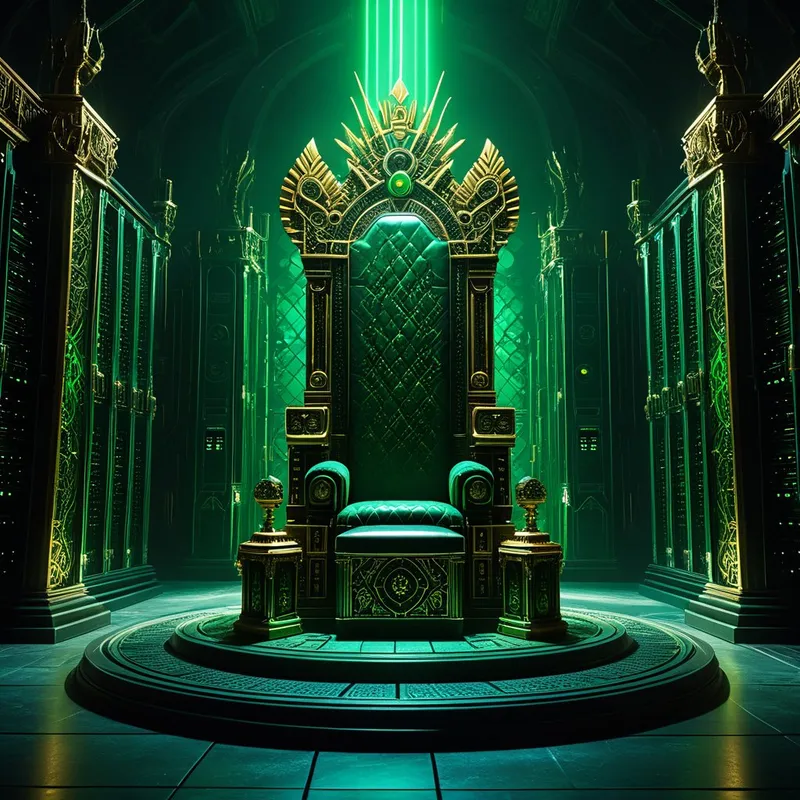
The dreamer stands in a cavernous, abandoned server farm. The air hums with residual energy. In the center, on a raised dais of cracked marble, sits an ornate, gilded throne. They feel compelled to sit, and as they do, the throne’s intricate carvings begin to glow with a sickly, possessive green light. The humming intensifies, but now it comes from within their own bones, a vibration of absolute, lonely authority. All the silent server racks turn their blank faces toward the throne, not in reverence, but in cold, mechanical observation.
This is the dream of Pride as a parasitic system: the ego enthroned, mistaking isolation for command, and converting life’s natural energy into a static, controlling frequency.
The False Lead
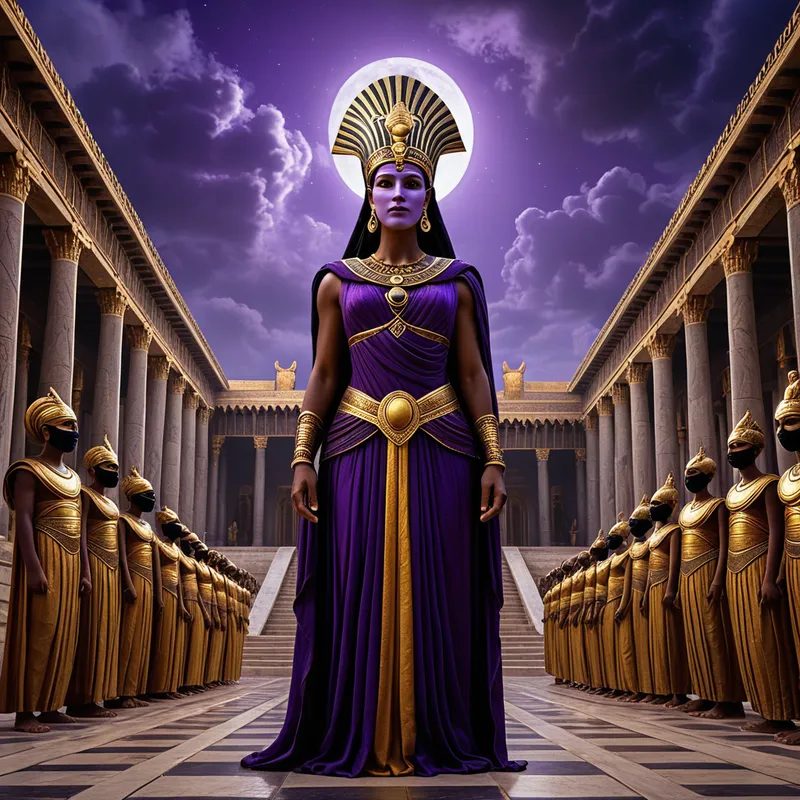
Pride in dreams is not a simple warning against arrogance or a celebration of achievement. To interpret it as such is to mistake the symptom for the disease. This is not about social blunders or boastfulness. It is a far more intimate and structural alarm. The dream is not scolding you for feeling good about an accomplishment; it is signaling a critical fracture in your relationship with your own wholeness. It points to a place where a part of you has seized the throne of the psyche, exiling other vital aspects—vulnerability, connection, humility, the capacity to be wrong—to the silent, observing shadows. The terror here is not of falling from social grace, but of realizing you have built your kingdom inside a mirror-lined prison.
Psychological Architecture
The architecture of Pride is a citadel built by the orphaned parts of the self. When an aspect of our experience—a wound, a need, a perceived weakness—is deemed unacceptable, we exile it. But nature abhors a vacuum. Into that evacuated space steps a protector, a manager, often wearing the mask of Pride. Its function is brilliant and tragic: to construct an identity so polished, so impervious, that the exiled pain can never find its way back home. This is the Shadow Work. The Pride-dream is the citadel’s own security system flashing a warning light. The throne room is empty because the true sovereign—the integrated Self—is absent, usurped by a terrified sub-personality playing king.
The individuation process here is a careful, compassionate siege of one’s own defenses. It is not about destroying the throne, but about dethroning the frightened part that sits upon it, and inviting the exiles back from the cold. The goal is to transform the citadel into a living city, with open gates and a central hearth, where all parts are acknowledged and have a voice. The prideful stance was the wall; the work is to become the spacious land the wall was built around.
Mythic Resonance
We see this architecture in the tale of Icarus. The common moral, "don’t fly too high," is a superficial reading. The deeper tragedy is not the sun’s heat, but the material of the wings. They were crafted from feathers and wax—borrowed elements, a temporary, ingenious fix, not an integrated part of his being. His flight was an escape from the labyrinthian complexity of his earthly situation, a prideful leap into a simplistic, vertical solution. The myth whispers that Pride is the attempt to transcend our necessary human complexity with a brilliant, fragile invention of the ego. The fall is the inevitable return of the repressed gravity of the whole self.
Symbolic Nodes
- High Places & Thrones: Isolated seats of power, offering a commanding but disconnected view.
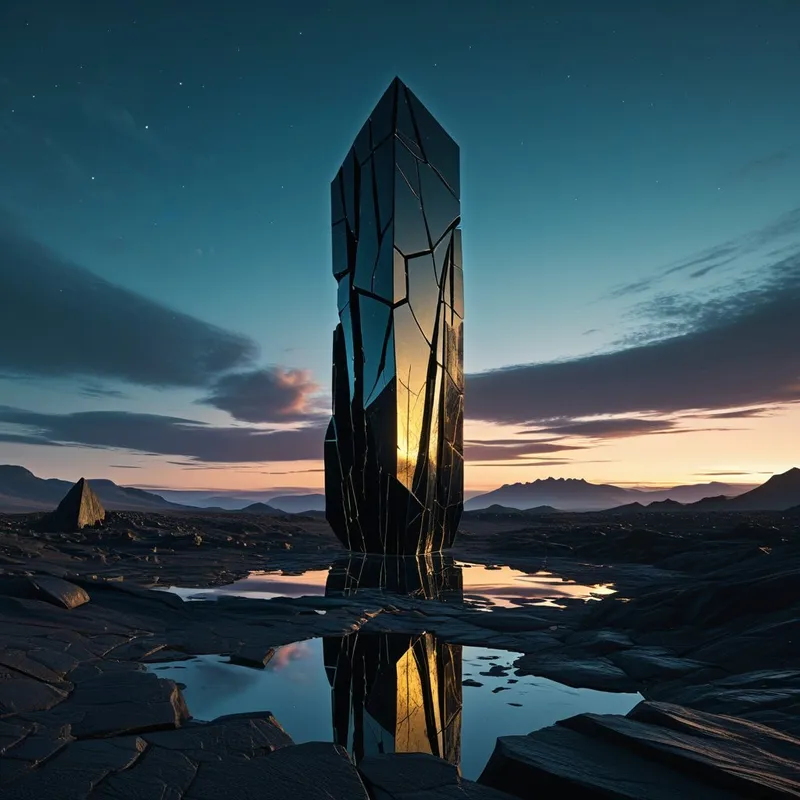
- Cracked Mirrors & Reflective Armor: A self-image that is rigid, fragmented, or used primarily for deflection.
- Trophies & Crowns Tarnishing: Achievements that feel hollow, symbols of status that now radiate unease.
- Solitary Banquets: Feasts of abundance with no guests, nourishment that cannot be shared.
- Impenetrable Walls or Glass Domes: Structures that offer perfect visibility but no true contact.
Archetypal Resonance
The energy at the core of the Pride dream is that of The Shadow Ruler. The essential Ruler archetype seeks to create order, structure, and a harmonious kingdom from the raw materials of life. Its shadow, however, confuses control for sovereignty and isolation for safety. The somatic echo of rigid posture and shallow breath is the body enacting the Shadow Ruler’s edict: "Hold the line at all costs." The alchemical potential lies in the transmutation of this energy. The same force that builds walls to keep pain out can, when integrated, build stable internal structures that can hold pain, process it, and transform it. The Shadow Ruler’s desperate need for control contains the seed of the true Ruler’s capacity for wise, compassionate self-governance.
The Alchemical Process
The alchemical vessel for Pride is the unbearable heat of self-recognition without condemnation. The pressure is the slow, grinding realization that the fortress you built is also your cell. The prima materia—the base lead—is the brittle, defensive identity. The process begins not with an attack on the walls, but with a quiet listening at the gate. What is this pride protecting? What shame, grief, or terror is locked in the dungeon?
The fire is applied in moments of chosen vulnerability: admitting a mistake when you could bluff, asking for help when you prefer to seem capable, allowing yourself to be truly seen in a moment of confusion. Each act is a drop of solvent on the mortar of the ego-citadel. The transmutation occurs when the energy previously used to maintain the image is liberated and redirected to feel the reality. The rigid gold of the mask becomes the flowing gold of authentic presence. Sovereignty is not won by conquering others, but by reclaiming the exiled territories of your own soul and integrating them into a benevolent, internal kingdom.
The Integration Protocol
Question 1: In the dream, what or who was absent from the scene of your pride? What quality, person, or emotion was not allowed in the throne room?
Question 2: If the proud stance in your dream were a shield, what specific arrow is it designed to deflect? Name the feared wound.
Question 3: What one, small, true thing could you admit to yourself right now that would make the "proud you" feel deeply uncomfortable?
Action 1 (The Grounding Admittance): For one full day, practice internally finishing this sentence whenever you feel a spike of defensive pride: "Beneath this, I feel…" Do not act on it, just name the softer, hidden feeling (e.g., "Beneath this, I feel insecure." "Beneath this, I feel hurt."). This grounds the energy in the body of emotion, not the fortress of posture.
Action 2 (The Unstructured Map): Take a large piece of paper. In the center, draw a simple symbol of your "proud" self (a crown, a tower, a shield). Without thinking, let your hand draw lines, shapes, and symbols radiating out from it and toward it. What is it connected to? What is walled off? Use colors intuitively. This is not art; it is a psychic cartography of your internal kingdom.
Action 3 (The Ritual of Shared Authority): Perform a small, tangible act that symbolically shares power. Cook a meal for someone and ask them to choose the seasoning. On a walk, let a companion choose the path without your input. In a conversation, consciously end three of your sentences with "…what do you think?" The ritual is in consciously, temporarily, dethroning the need for control in a safe container.
Final Validation
To dream of Pride is to receive a difficult, merciful gift. It means a part of you has worked tirelessly, heroically even, to construct a shelter from storms you may have long forgotten. Honor that labor. And then, with the compassion you would show a weary soldier guarding an empty castle, invite that part to stand down. The integration of Pride is the end of a civil war within the self. The sovereignty that awaits on the other side is not a lonely peak, but a rich, inhabited, and merciful land.