The Alchemy of Ruin: Dreams of Destruction and Rebirth
The Somatic Echo
It begins not as a thought, but as a tremor in the ground of being. A deep, internal quake that registers first in the body—a hollowing in the gut, a sudden coldness in the chest, a feeling of structural integrity failing. This is the somatic echo of the psyche’s demolition crew arriving at the site of an outgrown self. It’s the visceral prelude to a dream of falling towers, burning houses, or dissolving landscapes. The mind hasn’t yet formed the image of collapse, but the nervous system already knows: something is coming down. This is the body’s ancient, wordless wisdom sensing a necessary death, a contraction before the expansion, the profound and terrifying silence before the first note of a new song.
The Dreamer's Log (Case Vignette)
I stood before a massive, ornate mirror in a forgotten room of my childhood home. My reflection was clear, but then the glass began to crack from the center, a spiderweb of fractures racing to the gilded frame. As it shattered, the shards didn’t fall; they hung in the air, each reflecting not my face, but a different, unknown landscape—a desert, an ocean depth, a city of light. On the floor, untouched by the debris, lay a simple silver key.
This dream is not about broken vanity, but the alchemical shattering of a fixed self-image, releasing the multitude of potential selves held captive within its frame. The key awaits the conscious choice to unlock what emerges from the ruins.

The False Lead
This theme is not a prophecy of literal catastrophe or a sign of mere "bad luck" in waking life. It is not the psyche’s way of rehearsing trauma or expressing simple anxiety. To mistake it for such is to confuse the demolition of a prison wall with an attack on the inhabitant. The terror is real, but its source is liberation, not annihilation. The dream is not forecasting the end of your world; it is documenting the end of a world—a particular, often outmoded, internal configuration of beliefs, identities, and emotional architectures that can no longer contain the pressure of your becoming.
Psychological Architecture
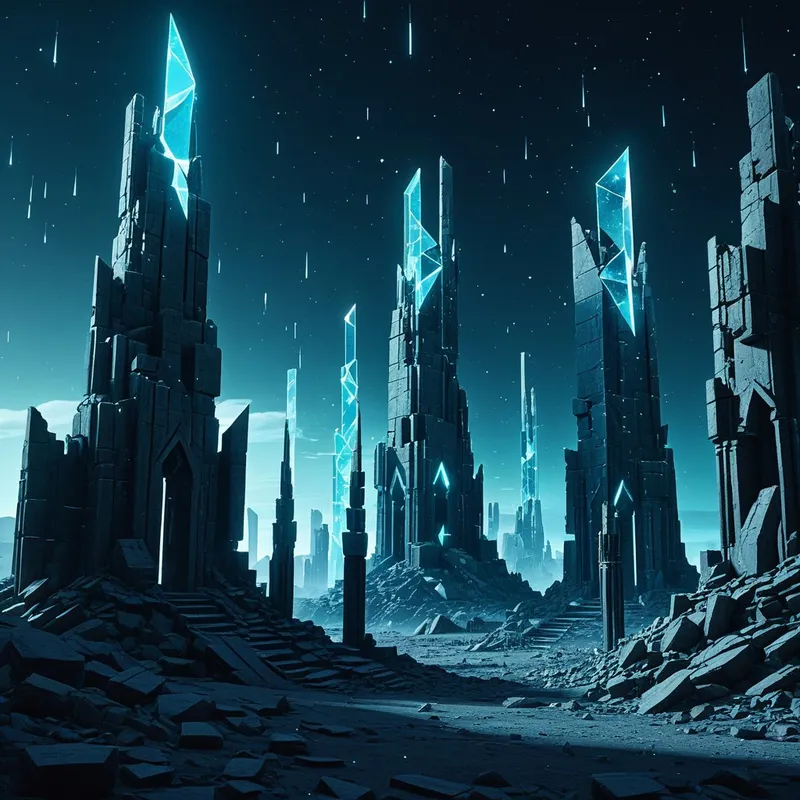
Beneath the spectacle of falling cities lies a silent, meticulous process of shadow work and individuation. Consider your psyche as an internal family system—a council of selves. There is the diligent Ruler who built the current city of your life, the cautious Orphan who finds shelter in its walls, the people-pleasing Caregiver who maintains its harmony. A dream of destruction signals that a deeper, more authentic Self has outgrown this settlement. The shadow work here is the agonizing, compassionate witnessing of these internal parts as their structures are decommissioned. It is allowing the Rebel to dynamite the dam, not out of malice, but because the river of your potential must flow. Individuation is the terrifying, exhilarating process of not rebuilding the same city on the same plans, but of standing in the open field of rubble, feeling the raw wind of possibility, and listening for the new blueprint whispered from the core of your being.
Mythic Resonance
This process is the universal human firmware, etched in our oldest stories. It is the Phoenix, not just as a symbol of rebirth, but in the precise, horrific moment of its combustion—the complete, willing surrender to the cleansing fire that is the only path to renewal from its own ashes. It is also the Norse myth of Ragnarök, the "twilight of the gods," where the entire known cosmos—including the great world tree Yggdrasil itself—shudders and falls. This is not a meaningless apocalypse, but a necessary dissolution of an old order so fraught with decay and broken oaths that only a total collapse can create the fertile void for a new, green world to emerge. The dream is your personal Ragnarök, a divine catastrophe on the inner plane.
Symbolic Nodes
- Collapsing Buildings/Bridges: The failure of outdated psychological structures and connections.
- Flooding/Tsunamis: The overwhelming rise of repressed emotion or unconscious content.
- Controlled Demolition/Wilful Burning: The conscious, if painful, decision to initiate an inner ending.
- Shedding Skin/Molting: The natural, biological imperative to leave a confining form.
- Barren Landscapes Giving Way to Shoots: The latent fertility hidden within perceived desolation.
- Finding a Key in Ruins: The discovery of agency and access amidst the collapse.
Archetypal Resonance
The core energy of this theme resonates most powerfully with The Rebel Archetype. This is not the Shadow Rebel’s chaotic vandalism, but the essential Rebel’s sacred function: the necessary destroyer. Its somatic echo is the surge of power that comes from saying "no more" to an internal tyranny, the fierce heat that melts frozen patterns. The Rebel’s alchemical potential lies in its absolute commitment to authenticity over stability, understanding that sometimes the most loving act for the soul is to dismantle the prison, even if it’s the only home you’ve known. It provides the catalytic courage to endure the dissolution, not as a victim of chaos, but as an agent of necessary revolution.
The Alchemical Process
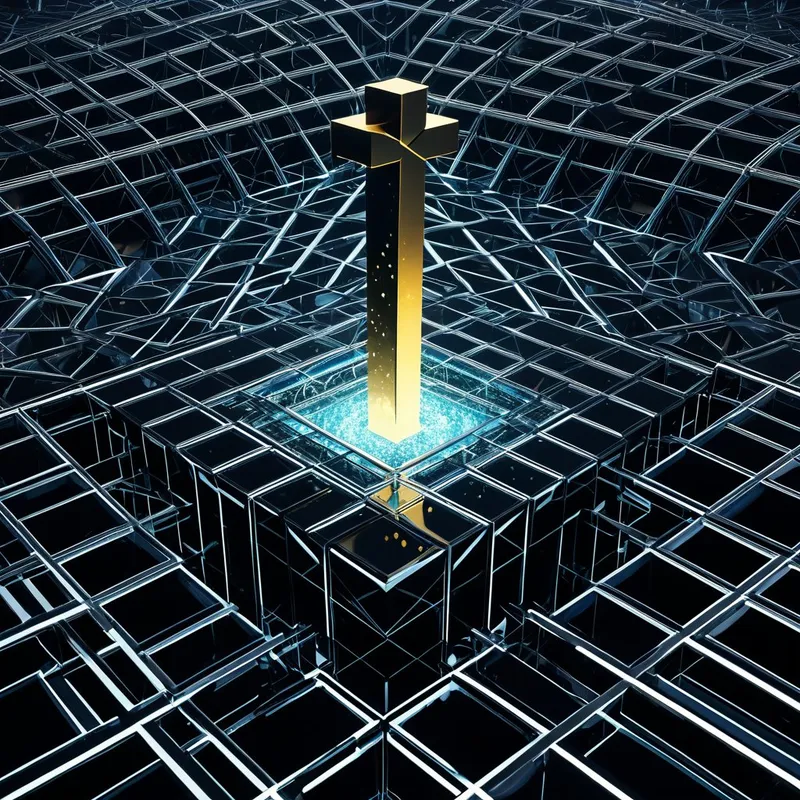
The transmutation here is solve et coagula—dissolve and coagulate—the fundamental pulse of alchemy. The "solve" is the intense, often grief-laden heat of deconstruction. This is the pressure of allowing cherished self-narratives to prove false, of feeling foundational identities crumble, of sitting in the ashes of what was. The heat is generated by the friction between who you were and who you are becoming. This is not a gentle melting but a radical dissolution. The "coagula" is not a quick reassembly; it is the patient, sovereign act of gathering the prima materia—the raw, purified essence of your experience from the ruins—and allowing a new form to self-organize from the inside out. Sovereignty is born in the interval between the two, in the conscious choice to not flee the void but to inhabit it as the crucible of your rebirth.
The Integration Protocol
To navigate this profound terrain, engage with these questions and actions.
Question 1: What structure in my life or self-concept, now feeling fragile or collapsing, once served a vital protective purpose? Can I thank it before letting it go?
Question 2: If the destruction in the dream is clearing a space, what is that space for? What wants to emerge that could not fit in the old architecture?
Question 3: Where in my waking life do I feel the simultaneous terror of loss and the strange, quiet thrill of possibility? Can I hold both sensations at once?
Action 1 (Somatic Grounding in the Ruins): When you feel the echo of collapse—the anxiety, the hollow dread—place your hands firmly on a stable surface (a wall, the ground, your own chest). Breathe deeply and feel the solidity that remains. Whisper, "This is the ground. This is what endures." Anchor in the body that survives the dream.
Action 2 (Creative Cartography of the Collapse): Without planning, draw or paint the landscape of your destruction/rebirth dream. Use colors, shapes, and textures—not literal representations. Let your hand map the feeling of the shattered mirror, the falling tower, the new shoot. Let the image be a non-verbal dialogue with the ruin.
Action 3 (Ritual of Sacred Debris): Find a small object that symbolically represents the "old structure" that is falling (a stone, a dead leaf, a piece of an old toy). Hold it, acknowledge its past service, then consciously destroy it—bury it, burn it safely, cast it into moving water. In its place, plant a seed in a pot of soil, or light a new candle, performing a simple act of initiating growth.
Final Validation
The path of destruction and rebirth is the most demanding pilgrimage the soul can undertake. To feel your inner world quake and fall is terrifying, and that terror is a valid, honest response to a real death. Yet, within that very acknowledgment lies your power. You are not being destroyed. You are the landscape, the storm, and the architect of the new city all at once. The dream is evidence of a profound courage already at work deep within you—a courage willing to endure the unimaginable ending for the sake of a more authentic beginning. The ruins are not your tomb; they are your raw materials. The key is in your hand.