Society & People

Villain Dream Meaning

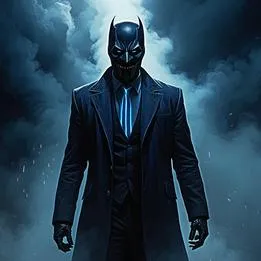
A character representing opposition, moral corruption, or suppressed aspects of self, often embodying fears, conflicts, or societal threats.

Common Appearances & Contexts

Context Emotion Interpretation
Being chased Terror Avoiding confrontation with self.
Fighting villain Anger Active resistance to flaws.
Villain winning Despair Feeling overwhelmed by darkness.
Conversing with villain Curiosity Exploring rejected aspects.
Becoming villain Shame Fear of moral corruption.
Villain transforming Awe Shadow integration possible.
Multiple villains Anxiety Multiple internal conflicts.
Villain helping Confusion Ambiguous moral boundaries.
Defeating villain Triumph Overcoming personal obstacles.
Villain as authority Resentment Rebelling against control.
Sympathetic villain Empathy Recognizing shared humanity.
Villain disappearing Relief Conflict resolution achieved.

Interpretive Themes

Cultural Lenses

Jungian Perspective

View Context →

Represents the Shadow archetype—the repressed, unacceptable aspects of personality. Integration leads to wholeness. Historically seen in mythic antagonists; modernly as psychological projection.

Freudian Perspective

View Context →

Symbolizes the Superego's harsh judgments or Id's primal urges breaking through repression. Historically moralistic; modernly as internal conflict between desire and conscience.

Gestalt Perspective

View Context →

An unowned part of the self demanding attention. Historically disowned traits; modernly as aspects needing reintegration for personal completeness and awareness.

Cognitive Perspective

View Context →

Represents cognitive schemas of threat or failure. Historically fear conditioning; modernly as mental models of opposition needing cognitive restructuring.

Evolutionary Perspective

View Context →

Embodies survival threats—predators, rivals, or social cheaters. Historically literal enemies; modernly as adaptive responses to perceived dangers in complex environments.

Global/Universal Perspective

View Context →

Cross-cultural archetype of opposition, appearing in myths worldwide as chaos monsters, tricksters, or moral corrupters. Modernly as universal symbol of conflict.

East Asian Perspective

View Context →

Often represents imbalance in yin-yang or social disharmony. Historically as disruptive forces; modernly as obstacles to harmony needing resolution through balance.

South Asian Perspective

View Context →

May symbolize adharma (unrighteousness) or asuric qualities. Historically in epics like Ravana; modernly as karmic lessons or moral tests in life's journey.

Middle Eastern Perspective

View Context →

Frequently embodies fitna (strife) or shaytan (temptation). Historically as moral tests; modernly as challenges to faith or community cohesion.

European Perspective

View Context →

Often represents feudal oppression, witchcraft, or moral decay. Historically as literal antagonists; modernly as systemic injustice or psychological darkness.

African Perspective

View Context →

May symbolize ancestral displeasure, witchcraft, or community disruptors. Historically as spiritual threats; modernly as social conflicts or personal moral failures.

Modern Western Perspective

View Context →

Often reflects anxiety about technology, corruption, or identity. Historically clear moral foes; modernly as ambiguous, psychologically complex antagonists.

AI-Powered

Interpret Your Full Dream

Beyond this symbol, every dream carries a unique story. Share your dream for a personalized AI-powered interpretation.