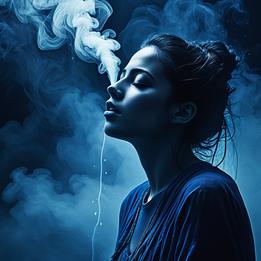
Vaporizing
Transformation from solid to gaseous state, representing dissolution, purification, or disappearance. Often signifies profound change or release.
Vaporizing Dream Meaning
Transformation from solid to gaseous state, representing dissolution, purification, or disappearance. Often signifies profound change or release.
Interpretive Themes
Cultural Lenses
Jungian Perspective
View Context →Represents dissolution of ego into collective unconscious, symbolic death/rebirth. The vapor state connects to anima/animus integration and shadow work through disappearance of rigid structures.
Freudian Perspective
View Context →Symbolizes sublimation of sexual energy (libido) into creative or social forms. May represent fear of castration (disappearing) or wish fulfillment through vanishing from stressful situations.
Gestalt Perspective
View Context →Represents unfinished business dissolving or avoidance of contact. The dreamer may be experiencing boundary issues where self-definition evaporates in relationships or responsibilities.
Cognitive Perspective
View Context →Reflects mental processes of deconstructing beliefs or memories. May indicate cognitive restructuring where old thought patterns evaporate to make room for new schemas during problem-solving.
Evolutionary Perspective
View Context →Primordial fear of dissolution/death balanced with adaptive benefit of camouflage/disappearance. Connects to ancient survival mechanisms where becoming invisible (like vapor) offered protection from predators.
East Asian Perspective
View Context →In Taoist/Buddhist contexts, represents achieving wu-wei (effortless action) through dissolution of self. Mist/vapor symbolizes impermanence (anicca) and the middle way between form and formlessness in meditation practices.
South Asian Perspective
View Context →In Hindu philosophy, relates to prana (life force) evaporation during samadhi or moksha. Ayurvedic traditions view vaporization as purification (swedana) where toxins dissolve through sweat in healing rituals.
Middle Eastern Perspective
View Context →In Sufi mysticism, represents fana (annihilation in God) where self evaporates in divine love. Ancient Persian Zoroastrian rituals used incense vapor for purification between material and spiritual realms.
European Perspective
View Context →Alchemical tradition's solve et coagula (dissolve and coagulate) where substances vaporize to purify. Celtic myths feature shape-shifting into mist, while Norse legends describe warriors dissolving into battle-fog.
African Perspective
View Context →In many traditions, represents ancestral spirits transitioning between worlds as mist. Bantu philosophies view vaporization as life force (ntu) changing states, while San rock art shows shamans dissolving into trance states.
North American Perspective
View Context →Native traditions view morning mist as breath of Earth Mother, with vaporization rituals in sweat lodges for purification. Contemporary interpretations include digital vaporization of identity in virtual spaces.
Latin American Perspective
View Context →In Mesoamerican traditions, represents soul's journey after death as vapor rising to ancestors. Contemporary Day of the Dead rituals include copal incense vapor connecting living and dead through aromatic bridges.
Want a deeper analysis?
Get a personalized interpretation of your entire dream including this symbol.
Interpret My DreamCommon Appearances & Contexts
| Context | Emotion | Interpretation |
|---|---|---|
| Context Body vaporizing | Emotion Fear | Interpretation Fear of disappearing. |
| Context Water vaporizing | Emotion Calm | Interpretation Natural cycle acceptance. |
| Context Objects vaporizing | Emotion Surprise | Interpretation Unexpected change occurs. |
| Context Vaporizing enemies | Emotion Power | Interpretation Overcoming obstacles completely. |
| Context Self vaporizing willingly | Emotion Peace | Interpretation Accepting transformation peacefully. |
| Context Vaporizing memories | Emotion Relief | Interpretation Letting go of past. |
| Context Vaporizing in public | Emotion Shame | Interpretation Fear of exposure. |
| Context Vaporizing to escape | Emotion Desperation | Interpretation Extreme avoidance tactic. |
| Context Vaporizing slowly | Emotion Anxiety | Interpretation Gradual loss of control. |
| Context Vaporizing instantly | Emotion Shock | Interpretation Sudden complete change. |
| Context Vaporizing and reforming | Emotion Hope | Interpretation Cyclical renewal possibility. |
| Context Vaporizing others | Emotion Guilt | Interpretation Destroying relationships completely. |
Interpret Your Full Dream
Beyond this symbol, every dream carries a unique story. Share your dream for a personalized AI-powered interpretation.