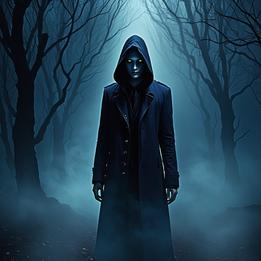
Umbra
The darkest part of a shadow, representing the unconscious, hidden aspects, or the absence of light and clarity.
Umbra Dream Meaning
The darkest part of a shadow, representing the unconscious, hidden aspects, or the absence of light and clarity.
Interpretive Themes
Mythological Resonance
Hades
GreekGod of the underworld, ruling the shadow realm where souls confront their truths.
Ammit
EgyptianThe devourer who waits in the shadows of judgment, consuming unworthy hearts.
Cultural Lenses
Jungian Perspective
View Context →Represents the personal unconscious or shadow self—repressed aspects of personality. Integration leads to individuation. In modern therapy, it symbolizes hidden traumas or potentials.
Freudian Perspective
View Context →Symbolizes repressed desires, often sexual or aggressive, from the unconscious mind. The umbra hides forbidden thoughts, with analysis revealing latent conflicts in dreams.
Gestalt Perspective
View Context →The umbra is the 'unfinished business' or avoided aspects of self. In dreams, it invites projection and dialogue to complete the whole, emphasizing present awareness.
Cognitive Perspective
View Context →Reflects cognitive biases or schemas operating below conscious awareness. In modern contexts, it relates to implicit memories or automatic thoughts influencing behavior without clarity.
Evolutionary Perspective
View Context →Stems from ancestral fears of darkness and predators, signaling danger or the unknown. In modern life, it may represent hidden threats or survival instincts.
Global/Universal Perspective
View Context →Commonly symbolizes mystery, the unknown, or spiritual depth across cultures. Historically linked to rituals of secrecy; today, it represents hidden truths in a globalized world.
East Asian Perspective
View Context →In Taoism and Buddhism, the umbra represents yin—passive, dark forces balancing light. Historically, it was part of shadow puppetry; modernly, it signifies inner harmony.
European Perspective
View Context →In Gothic and Romantic traditions, the umbra symbolizes melancholy, the sublime, or supernatural elements. Historically tied to alchemy; now, it evokes artistic depth.
African Perspective
View Context →In many traditions, the umbra is linked to ancestral spirits or hidden knowledge. Ritually, it appears in mask ceremonies; modernly, it represents cultural heritage.
Middle Eastern Perspective
View Context →In Islamic and Persian mysticism, the umbra symbolizes divine mystery or the veiled truth. Historically, it featured in poetry; today, it reflects spiritual seeking.
Modern Western Perspective
View Context →Often represents psychological depth, data shadows, or privacy concerns. In pop culture, it appears in noir films, symbolizing moral ambiguity or hidden agendas.
Latin American Perspective
View Context →In indigenous and Catholic blends, the umbra signifies spiritual duality or hidden miracles. Historically part of Day of the Dead; modernly, it reflects social contrasts.
Historical Authorities
Want a deeper analysis?
Get a personalized interpretation of your entire dream including this symbol.
Interpret My DreamThe Oracle's Prediction
Combine multiple symbolsA profound unconscious truth will surface, demanding integration.
Timeframe
Lunation (~29 Days)
Intensity
Deep
A hidden pattern in your relationships will be revealed, potentially causing disruption.
Timeframe
Seasonal (~3 Months)
Intensity
Deep
Common Appearances & Contexts
| Context | Emotion | Interpretation |
|---|---|---|
| Context Standing in umbra | Emotion Fear | Interpretation Confronting hidden fears. |
| Context Creating an umbra | Emotion Control | Interpretation Hiding aspects intentionally. |
| Context Umbra moving | Emotion Anxiety | Interpretation Uncertainty looming. |
| Context Umbra engulfing | Emotion Overwhelm | Interpretation Feeling consumed. |
| Context Light entering umbra | Emotion Hope | Interpretation Revelation approaching. |
| Context Umbra as shelter | Emotion Safety | Interpretation Finding refuge. |
| Context Umbra persisting | Emotion Frustration | Interpretation Stuck in darkness. |
| Context Umbra vanishing | Emotion Relief | Interpretation Obstacle removed. |
| Context Multiple umbras | Emotion Confusion | Interpretation Complex hidden layers. |
| Context Umbra shape-shifting | Emotion Wonder | Interpretation Mystery unfolding. |
| Context Umbra speaking | Emotion Awe | Interpretation Unconscious communicating. |
| Context Umbra as guide | Emotion Trust | Interpretation Darkness leading. |
Interpret Your Full Dream
Beyond this symbol, every dream carries a unique story. Share your dream for a personalized AI-powered interpretation.