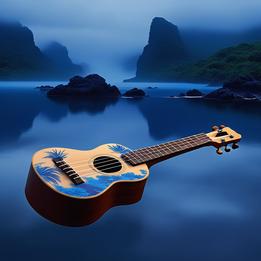
Ukelele
The Ukelele represents joy and creativity, often associated with carefree expression and cultural heritage, serving as an instrument of connection among individuals.
Ukelele Dream Meaning
The Ukelele represents joy and creativity, often associated with carefree expression and cultural heritage, serving as an instrument of connection among individuals.
Interpretive Themes
Playfulness
highEncourages a carefree attitude towards creativity.
Cultural Heritage
highThe Ukelele embodies a blend of various cultural influences.
Expression
mediumRepresents how music can communicate emotions and stories.
Community
highOften used in group settings to build bonds.
Celebration
mediumInspires individuals to engage in creative processes.
Mythological Resonance
Pele and Hi'iaka
HawaiianWhile not ukelele-specific, these goddess sisters represent the transformation of volcanic energy into creative expression - the ukelele embodies this Pacific tradition of channeling powerful forces into accessible, joyful art that builds community.
The Migration Voyages
PolynesianLike the ancestral canoes that carried culture across oceans, the ukelele traveled from Portugal to Hawaii to the world, representing how simple instruments carry cultural identity through adaptation and joyful exchange.
Cultural Lenses
Modern Western Perspective
View Context →Became popular in early American folk and pop music. Commonly used in casual settings such as camps and parties. [American] Represents a lighthearted attitude towards music.
East Asian Perspective
View Context →Introduced to Japan through Western influence and blended with local music styles. Often used in festivals to create a joyful atmosphere. [Japanese] Combines traditional elements with modern expression.
Historical Authorities
Want a deeper analysis?
Get a personalized interpretation of your entire dream including this symbol.
Interpret My DreamThe Oracle's Prediction
Combine multiple symbolsUnexpected creative inspiration that leads to meaningful social connections.
Timeframe
Immediate (Next 48h)
Intensity
Deep
Common Appearances & Contexts
| Context | Emotion | Interpretation |
|---|---|---|
| Context Playing the ukelele at a gathering | Emotion Joy | Interpretation Indicates a desire for social connection and shared happiness. |
| Context Learning to play the ukelele for the first time | Emotion Excitement | Interpretation Represents new beginnings and adventures in creativity. |
| Context Hearing beautiful ukelele music in the background | Emotion Nostalgia | Interpretation Evokes fond memories associated with relationships and experiences. |
| Context Strumming a ukelele on a beach | Emotion Freedom | Interpretation Symbolizes the liberating spirit of leisure and relaxation. |
| Context Ukelele strings snapping while playing | Emotion Frustration | Interpretation Indicates feelings of disruption in one’s creative process. |
| Context Performing to an audience with the ukelele | Emotion Pride | Interpretation Represents confidence in one's talents and abilities. |
| Context Hiding the ukelele from others | Emotion Shame | Interpretation Denotes fear of expressing oneself creatively in front of others. |
| Context Giving someone a ukelele as a gift | Emotion Generosity | Interpretation Symbolizes the act of sharing joy and creativity with others. |
| Context Struggling to play a challenging song | Emotion Anxiety | Interpretation Indicates self-doubt regarding creative skills and accomplishments. |
| Context Joining a group for ukelele lessons | Emotion Belonging | Interpretation Reflects a desire to connect with others through a shared interest. |
Interpret Your Full Dream
Beyond this symbol, every dream carries a unique story. Share your dream for a personalized AI-powered interpretation.