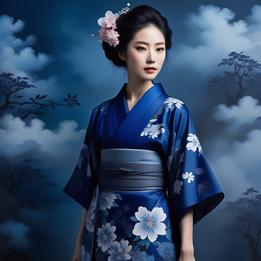
Flowery Kimono
A flowery kimono represents the fusion of beauty and tradition, embodying cultural heritage while expressing individuality.
Flowery Kimono Dream Meaning
A flowery kimono represents the fusion of beauty and tradition, embodying cultural heritage while expressing individuality.
Interpretive Themes
Cultural Heritage
highRepresents one's connection to cultural roots and values.
Self-Expression
highThe kimono's patterns can reflect individual personality and taste.
Transition
mediumFlowery designs often symbolize cycles of life and growth.
Femininity
highFlowery motifs often represent softness and grace in femininity.
Celebration
mediumKimonos are often worn during significant life events and rituals.
Mythological Resonance
Amaterasu
JapaneseThe sun goddess who weaves the world's patterns with her celestial loom, her robes embodying both cosmic order and radiant individuality.
Persephone
GreekQueen of both spring blossoms and underworld depths, her garments shift with seasons, representing the integration of dual realms into one identity.
Cultural Lenses
East Asian Perspective
View Context →Worn by women during traditional ceremonies and festivals. Symbolizes cultural identity and celebration. [Japanese] Flowery motifs depict the beauty of nature and seasons.
East Asian Perspective
View Context →Chinese silk garments often feature floral patterns for prosperity and beauty. Commonly worn during significant cultural events. [Chinese] Flowers symbolize auspicious messages in Chinese culture.
East Asian Perspective
View Context →Saris with floral designs known for their cultural significance. Worn during festivals, marriage ceremonies reflects beauty and societal roles. [South Asian] [Hindu] Flowers are deeply significant in ritualistic expressions.
Latin American Perspective
View Context →Traditional garments incorporate floral patterns, representing cultural pride. Worn during celebrations like Día de los Muertos. [Mexican] Bright flowers symbolize vitality and joy.
East Asian Perspective
View Context →Hanbok garments feature floral motifs that symbolize beauty and grace. Worn during celebrations and traditional ceremonies. [Korean] Flowers signify hope and new beginnings in Korean traditions.
Historical Authorities
Want a deeper analysis?
Get a personalized interpretation of your entire dream including this symbol.
Interpret My DreamThe Oracle's Prediction
Combine multiple symbolsA deepening connection to ancestral wisdom will blossom into creative expression.
Timeframe
Seasonal (~3 Months)
Intensity
Deep
Common Appearances & Contexts
| Context | Emotion | Interpretation |
|---|---|---|
| Context Wearing a flowery kimono at a festival | Emotion Joyful | Interpretation Represents celebration and cultural affirmation. |
| Context Admiring a flowery kimono in a store | Emotion Inquisitive | Interpretation Reflects a desire to connect with one's heritage. |
| Context Gifted a flowery kimono by a loved one | Emotion Loved | Interpretation Symbolizes emotional connections and affection. |
| Context A flowery kimono changing colors | Emotion Surprised | Interpretation Indicates the dreamer is in a state of flux or transition. |
| Context Walking in a flowery kimono through nature | Emotion Connected | Interpretation Might indicate harmony with oneself and the environment. |
| Context Seeing a flowery kimono at a wedding | Emotion Hopeful | Interpretation Represents new beginnings and joyful commitments. |
| Context Receiving compliments in a flowery kimono | Emotion Validated | Interpretation Signifies affirmation of self-worth and beauty. |
| Context A flowery kimono depicting seasons | Emotion Reflective | Interpretation Represents the passage of time and life's cycles. |
| Context Losing a flowery kimono | Emotion Anxious | Interpretation Suggests fears of losing one's identity or connection to culture. |
| Context Dancing in a flowery kimono | Emotion Ecstatic | Interpretation Expresses joy in self-identity and freedom. |
| Context Choosing a flowery kimono for an occasion | Emotion Deliberate | Interpretation Reflects thoughtful consideration of one's self-presentation. |
| Context Sewing flowers onto a kimono | Emotion Creative | Interpretation Indicates personal investment in cultural expression. |
| Context Having a flowery kimono in a dreamlike landscape | Emotion Surreal | Interpretation Suggests exploration of personal fantasies and desires. |
| Context An elderly person passing down a flowery kimono | Emotion Nostalgic | Interpretation Represents continuity of family legacy and tradition. |
| Context Seeing a flowery kimono amidst industrial surroundings | Emotion Contrasted | Interpretation Symbolizes the clash of tradition with modernity. |
| Context A flowery kimono that keeps changing patterns | Emotion Intrigued | Interpretation May reflect multifaceted aspects of identity. |
Interpret Your Full Dream
Beyond this symbol, every dream carries a unique story. Share your dream for a personalized AI-powered interpretation.