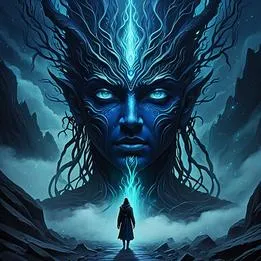
Trembling Dream Meaning
Involuntary shaking often representing fear, anxiety, or profound emotional/physical transformation.
Common Appearances & Contexts
| Context | Emotion | Interpretation |
|---|---|---|
| Before a speech | nervousness | Performance anxiety manifesting. |
| During an earthquake | terror | Foundation instability fear. |
| Meeting a deity | awe | Divine presence overwhelming. |
| Holding something fragile | anxiety | Fear of breaking things. |
| Being chased | panic | Flight response activated. |
| Receiving news | shock | Sudden emotional impact. |
| Standing at edge | fear | Precipice of change. |
| In cold water | discomfort | Physical stress response. |
| During argument | anger | Emotional intensity overflowing. |
| Witnessing beauty | wonder | Overwhelmed by magnificence. |
| Hiding from danger | dread | Suppressed fear emerging. |
| Holding a secret | guilt | Internal pressure building. |
Interpretive Themes
Cultural Lenses
Jungian Perspective
View Context →Manifestation of the shadow or collective unconscious; indicates confrontation with repressed aspects of self or archetypal energies seeking integration.
Freudian Perspective
View Context →Expression of repressed sexual energy or anxiety; physical symptom of psychological conflict between id impulses and superego restrictions.
Gestalt Perspective
View Context →Projection of internal conflict; the dreamer's body expressing unresolved tension or unfinished business that needs acknowledgment and integration.
Cognitive Perspective
View Context →Mental rehearsal of threat response; brain processing anxiety scenarios to prepare coping mechanisms or indicating sleep-related movement disorders.
Evolutionary Perspective
View Context →Primitive fear response activation; vestigial preparation for fight-or-flight situations or signaling vulnerability to predators in ancestral environment.
Global/Universal Perspective
View Context →Cross-cultural symbol of fear, spiritual awe, or physical vulnerability; appears in myths, rituals, and art worldwide as human response to power.
East Asian Perspective
View Context →In Chinese and Japanese traditions, often signifies qi energy imbalance, spiritual possession, or reaction to ancestral spirits; also appears in meditation as energy release.
South Asian Perspective
View Context →In Hindu and Buddhist contexts, indicates kundalini awakening, divine possession, or reaction to darshan (sacred sight); sometimes seen as purification process.
Middle Eastern Perspective
View Context →In Islamic and pre-Islamic traditions, often represents divine revelation, prophetic experience, or reaction to jinn; also appears in mystical Sufi practices.
European Perspective
View Context →In Celtic and Norse mythology, indicates fairy contact or omen; in Christian mysticism, sign of divine presence or demonic influence throughout history.
African Perspective
View Context →In various traditions, signifies spirit possession, ancestral communication, or reaction to witchcraft; often part of ritual trance states and healing ceremonies.
North American Perspective
View Context →In Indigenous traditions, indicates vision quest transformation, spirit guide contact, or environmental sensitivity; in modern context, often linked to trauma.
Interpret Your Full Dream
Beyond this symbol, every dream carries a unique story. Share your dream for a personalized AI-powered interpretation.