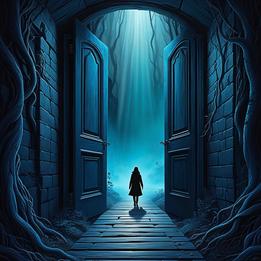
Trapdoor
A hidden passage or sudden opening, often representing subconscious access, emotional escape, or unexpected vulnerability.
Trapdoor Dream Meaning
A hidden passage or sudden opening, often representing subconscious access, emotional escape, or unexpected vulnerability.
Interpretive Themes
Cultural Lenses
Jungian Perspective
View Context →Archetypal symbol of the collective unconscious; represents access to shadow aspects, anima/animus, or personal transformation through descent into psyche's depths.
Freudian Perspective
View Context →Symbolic representation of repressed sexual desires or childhood trauma; the opening suggests vaginal imagery or birth trauma, while closing represents repression.
Gestalt Perspective
View Context →Represents parts of self being hidden or revealed; the dreamer may be both trapdoor and operator, exploring integration of conflicting aspects.
Cognitive Perspective
View Context →Metaphor for memory retrieval or problem-solving pathways; represents brain's neural networks accessing stored information or creating new connections.
Evolutionary Perspective
View Context →Primordial fear/attraction to caves and hidden spaces; reflects ancestral survival mechanisms regarding shelter, predator avoidance, and resource discovery.
East Asian Perspective
View Context →In Chinese tradition, represents yin energy and hidden wisdom; in Japanese culture, associated with shōji (sliding doors) symbolizing life's impermanent transitions.
European Perspective
View Context →Medieval castle trapdoors symbolize treachery or secret passages; Victorian era associates with repressed sexuality and hidden family secrets.
Middle Eastern Perspective
View Context →In Islamic dream interpretation, trapdoors represent divine revelation or hidden knowledge from Allah; in Persian tradition, symbolize mystical portals to other realms.
African Perspective
View Context →In many traditions, represents ancestral communication portals; trapdoors in earth connect living with underworld spirits and collective memory.
Latin American Perspective
View Context →Mesoamerican cultures view as entrance to Xibalba (underworld); contemporary interpretations include magical realism portals between reality and fantasy.
Modern Western Perspective
View Context →Digital metaphor for backdoor access in technology; represents privacy concerns, hidden algorithms, or escape from overwhelming modern life pressures.
Global/Universal Perspective
View Context →Cross-cultural symbol of transition between worlds; appears in initiation rituals worldwide as metaphorical death/rebirth passage.
Want a deeper analysis?
Get a personalized interpretation of your entire dream including this symbol.
Interpret My DreamCommon Appearances & Contexts
| Context | Emotion | Interpretation |
|---|---|---|
| Context Opening trapdoor | Emotion Fear | Interpretation Facing hidden fears. |
| Context Falling through | Emotion Panic | Interpretation Loss of control. |
| Context Closing trapdoor | Emotion Relief | Interpretation Avoiding confrontation. |
| Context Finding trapdoor | Emotion Curiosity | Interpretation Seeking hidden truth. |
| Context Locked trapdoor | Emotion Frustration | Interpretation Blocked access. |
| Context Someone emerging | Emotion Surprise | Interpretation Unexpected revelation. |
| Context Hiding under | Emotion Shame | Interpretation Avoiding exposure. |
| Context Trapdoor in floor | Emotion Anxiety | Interpretation Foundation instability. |
| Context Trapdoor in ceiling | Emotion Hope | Interpretation Aspiration symbol. |
| Context Multiple trapdoors | Emotion Confusion | Interpretation Many hidden paths. |
| Context Secret room below | Emotion Excitement | Interpretation Discovering potential. |
| Context Darkness below | Emotion Dread | Interpretation Unknown dangers. |
Interpret Your Full Dream
Beyond this symbol, every dream carries a unique story. Share your dream for a personalized AI-powered interpretation.