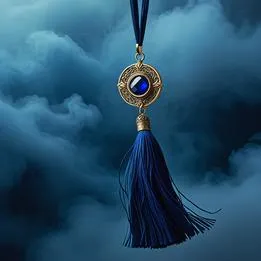
Tassel Dream Meaning
A decorative fringe or ornament, often symbolizing completion, status, or transition in clothing and jewelry.
Common Appearances & Contexts
| Context | Emotion | Interpretation |
|---|---|---|
| Graduation ceremony | Pride | Accomplishment recognized. |
| Losing tassel | Anxiety | Fear of failure. |
| Golden tassel | Awe | High honor achieved. |
| Tassel unraveling | Dread | Structure collapsing. |
| Many tassels | Overwhelm | Multiple responsibilities. |
| Tassel gift | Gratitude | Recognition received. |
| Old tassel | Nostalgia | Past achievements remembered. |
| Tassel burning | Anger | Rejecting tradition. |
| Tassel dancing | Joy | Celebratory freedom. |
| Military tassel | Respect | Authority displayed. |
| Tassel repair | Hope | Restoring integrity. |
| Tassel theft | Betrayal | Honor stolen. |
Interpretive Themes
Cultural Lenses
Jungian Perspective
View Context →Represents individuation—the tassel as a symbol of completing the Self's journey. Historically in alchemy, fringe elements marked transformation; modernly, it signifies psychological wholeness.
Freudian Perspective
View Context →Phallic symbol representing masculine energy or achievement drive. Historically linked to power displays; in modern dreams, may relate to sexual or aggressive impulses seeking recognition.
Gestalt Perspective
View Context →The dreamer's own unfinished business—what needs 'tying off.' Historically, tassels completed garments; modernly, it prompts asking what aspect of life feels incomplete.
Cognitive Perspective
View Context →Mental schema for milestones—the brain's filing system for achievements. Historically, tassels marked events; modernly, it reflects memory processing of significant life transitions.
Evolutionary Perspective
View Context →Status display for social hierarchy—like peacock feathers. Historically, elaborate tassels signaled resource access; modernly, it taps into innate drives for recognition and mating appeal.
East Asian Perspective
View Context →In Chinese tradition, red tassels on lanterns or charms ward off evil; historically used in imperial regalia. Modernly, they symbolize luck and protection in festivals.
Middle Eastern Perspective
View Context →On prayer shawls (Tallit), tassels (Tzitzit) represent commandments—historically sacred reminders. Modernly, they maintain religious observance and identity in Jewish culture.
European Perspective
View Context →Academic regalia tassels date to medieval universities; historically denoted scholarly rank. Modernly, they're ceremonial symbols of educational achievement across Western institutions.
African Perspective
View Context →In Maasai culture, beaded tassels on jewelry signify social status and age-sets; historically used in rites of passage. Modernly, they preserve cultural identity in dress.
Latin American Perspective
View Context →On traditional hats like sombreros, tassels historically indicated regional origin. Modernly, they're festive elements in dances and celebrations, symbolizing cultural pride.
Modern Western Perspective
View Context →Fashion accessory often bohemian or vintage-inspired; historically trivialized. Modernly, it represents personal style, nostalgia, or ironic celebration of formality.
Global/Universal Perspective
View Context →Cross-culturally, tassels mark transitions—graduations, marriages, religious rites. Historically ubiquitous in ceremonial dress; modernly, a global symbol of life's milestones.
Interpret Your Full Dream
Beyond this symbol, every dream carries a unique story. Share your dream for a personalized AI-powered interpretation.