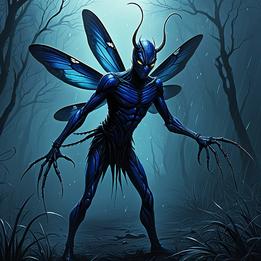
Sting
A sharp, sudden injection of pain or poison, often from an insect or creature. It symbolizes unexpected attack, vulnerability, and the lingering effects of harm.
Sting Dream Meaning
A sharp, sudden injection of pain or poison, often from an insect or creature. It symbolizes unexpected attack, vulnerability, and the lingering effects of harm.
Interpretive Themes
Cultural Lenses
Jungian Perspective
View Context →Represents the 'shadow'—unconscious, aggressive impulses that can suddenly 'sting' the conscious mind. The stinger symbolizes penetrating insight or painful truth emerging from the psyche.
Freudian Perspective
View Context →Often a phallic symbol representing penetration, aggression, or castration anxiety. The injection of poison can symbolize toxic sexual guilt or repressed hostile urges.
Gestalt Perspective
View Context →The dreamer is both the stinger and the stung—exploring internal conflict between aggression and vulnerability. The sting represents unmet needs demanding attention.
Cognitive Perspective
View Context →A mental metaphor for sudden, salient negative events that capture attention. Reflects cognitive schemas around threat detection, pain memory, and anticipation of harm.
Evolutionary Perspective
View Context →Rooted in ancestral survival mechanisms—dream rehearses threat response to venomous creatures. The sting triggers innate fear of toxins and small, fast-moving dangers.
Global/Universal Perspective
View Context →Cross-culturally, a sting symbolizes sudden misfortune, betrayal, or divine punishment. Often appears in folklore as a warning against hubris or carelessness.
East Asian Perspective
View Context →In Chinese and Japanese traditions, insect stings can indicate minor but persistent annoyances (like 'mosquito bites') in life. Bees symbolize diligence but their sting warns of overwork.
South Asian Perspective
View Context →In Hindu and Buddhist contexts, a sting represents karmic consequence—'the sting of karma.' Scorpion stings in particular are linked to hidden enemies and spiritual tests.
Middle Eastern Perspective
View Context →In Islamic dream interpretation, a sting often signifies slander, backbiting, or 'the sting of the tongue.' Scorpions symbolize hidden enemies in Bedouin and Persian traditions.
European Perspective
View Context →In Celtic and Norse lore, bee stings were omens of upcoming arguments or legal disputes. Medieval Christian interpretation saw stings as the 'sting of sin' or temptation.
African Perspective
View Context →In many African traditions, insect stings are messages from ancestors or nature spirits. A sting can be a warning to pay attention to small but important matters in community life.
Modern Western Perspective
View Context →Often metaphorical—'stinging criticism,' 'the sting of rejection.' Reflects anxiety about social judgment, online harassment, or sudden financial losses ('stung by debt').
Want a deeper analysis?
Get a personalized interpretation of your entire dream including this symbol.
Interpret My DreamCommon Appearances & Contexts
| Context | Emotion | Interpretation |
|---|---|---|
| Context Being stung | Emotion shock | Interpretation Sudden betrayal or attack. |
| Context Stinging someone | Emotion guilt | Interpretation Causing unintended harm. |
| Context Multiple stings | Emotion overwhelm | Interpretation Feeling attacked repeatedly. |
| Context Avoiding a sting | Emotion anxiety | Interpretation Fear of impending harm. |
| Context Healing from sting | Emotion relief | Interpretation Recovery from pain. |
| Context Sting without pain | Emotion confusion | Interpretation Harm without consequence. |
| Context Insect with sting | Emotion fear | Interpretation Small but potent threat. |
| Context Removing a stinger | Emotion determination | Interpretation Addressing source of pain. |
| Context Sting in water | Emotion panic | Interpretation Unexpected hidden danger. |
| Context Sting from plant | Emotion surprise | Interpretation Harm from passive source. |
| Context Preventing a sting | Emotion vigilance | Interpretation Proactive self-protection. |
| Context Sting as weapon | Emotion power | Interpretation Using pain defensively. |
Interpret Your Full Dream
Beyond this symbol, every dream carries a unique story. Share your dream for a personalized AI-powered interpretation.